
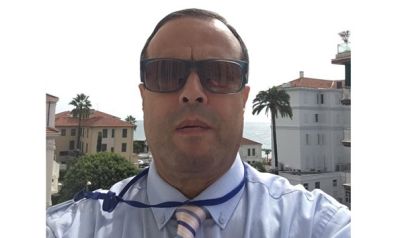



Qatari Foreign Ministry spokesman Dr Majid al-Ansari has said Qatar is a party to communications aimed at de-escalating regional tensions and resolving the dispute between Washington and Tehran. He emphasised that "diplomacy is the effective way to resolve the region's crises, and we are working on this with our neighbours and partners."
Speaking at the weekly press briefing Tuesday, al-Ansari added, "We are not talking about war at the moment, but rather expectations of a possible military escalation in the region, and we are striving for de-escalation."
Regarding Gaza Strip developments, al-Ansari described the situation as an ongoing humanitarian catastrophe. He affirmed that Qatar is working with mediators to advance the second phase of the Gaza agreement, reiterating his country's rejection of linking the agreement to the opening of the Rafah crossing and aid entry, which must proceed without conditions.
He pointed out that humanitarian aid cannot be used as a pressure tactic and that the international community must fulfil its responsibilities. "We do not expect timetables regarding Gaza, but our contacts are continuous and daily to push the agreement forward. The complexities on the table call for progress towards the second phase, and Israel must answer why implementation is being delayed," he added.
Al-Ansari made it clear that mediators are in daily contact to advance the political process and move towards the second phase of the ceasefire agreement. He described the humanitarian disaster in Gaza as not a weather event, but a man-made catastrophe created by the Israeli occupation, which continues efforts to prolong the disaster on the largest possible scale and inflict maximum harm on Palestinians.
When asked what was hindering progress towards the second phase and why Israel wasn't implementing it, he said Israel must answer these questions. He explained that Israel is creating obstacles and complications, asserting that Israel doesn't want to reach the second phase in any way.
He emphasised that Israel is obstructing progress that would end the crisis, asking why Israel doesn't open the Rafah crossing. Al-Ansari stressed that humanitarian aid and ending the catastrophe should not be linked to ceasefire implementation and the second phase.
He indicated that after Israeli prisoners and bodies were returned to their families, Israel is now creating obstacles to further advance the agreement and exacerbate the humanitarian crisis in Gaza.

