
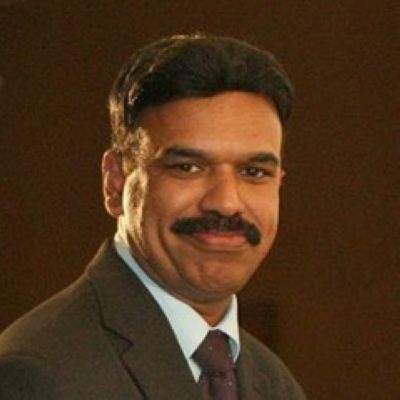




Qatar has emerged as a regional pillar in humanitarian programmes and conflict management, noted a renowned academic and a former minister of Sudan.
“Qatar’s foreign policy is based on peaceful diplomacy, and Qatar’s diplomacy is also based on mediation,” said Dr Mustafa Osman Ismail Elamin, programme director and professor of Islam and Global Affairs at the Hamad Bin Khalifa University (HBKU). “Besides mediation, Qatar has now emerged as a regional pillar in the management of conflict and humanitarian programmes.”
Dr Elamin, who has also served as Sudan’s foreign minister and as Sudan’s ambassador to the UN and Switzerland, was speaking to the media Sunday at the HBKU’s Minaretein Centre to mark World Refugee Day 2026.
“Qatar is more than a mediator,” he said. “Qatar has got different organisaations that have become specialised in the field of humanitarian aid supporting displaced refugees and so on. Now Qatar is a good example in supporting those who are working within the field of refugees.”
The event was organised by the Qatar Fund For Development (QFFD) in partnership with the United Nations High Commissioner for Refugees (UNHCR) and HBKU.
Dr Elamin said that World Refugee Day is being celebrated under the slogan “Safety and Inclusion”.
“The number of refugees and displaced people has increased over the years, and the burden becomes very high,” he said. “Now our aim is to change the environment during their temporary stay. Instead of just waiting, we want the refugees to benefit from education, economic aspects and in different areas of life.”
Dr Elamin said that the idea of marking World Refugee Day and related activities was to shed light on and draw on the experiences of those working with refugees.
“There are several organisations in Qatar that are working in the field, such as Qatar Charity, Qatar Fund for Development, as well as Education Above All Foundation, among others,” he stated.
“We, as a university, are teaching students about refugees, their problems, challenges, and so on,” Dr Elamin added. “So we all come together to put a proposal, how we can convert the life of refugees for the better.”
Another aspect that he raised was to bring the experts in the field of refugees to highlight the life of refugees.
“We could learn more from their discussions,” Dr Elamin said. “We can make some proposals which could be used by the UN as well as those who are working in the field.”
“It will send the signals to refugees that we are feeling what they are experiencing and we are working to reduce and mitigate their suffering,” he continued. “We are also trying hard to transform the refugees into a productive life.”
The event featured a panel discussion which highlighted some of the major issues related to refuges world over.
Ahmed Mohsen, representative of Qatar at the UNHCR; Aisha Saad al-Jassim, head of the Disaster and Emergency Relief section at the QFFD; Abdulla al-Abdulla, executive director (Monitoring and Evaluation) at the Education Above All Foundation; and Aisha al-Kuwari, director of Humanitarian Operations at Qatar Charity, took part in the panel discussion.

