
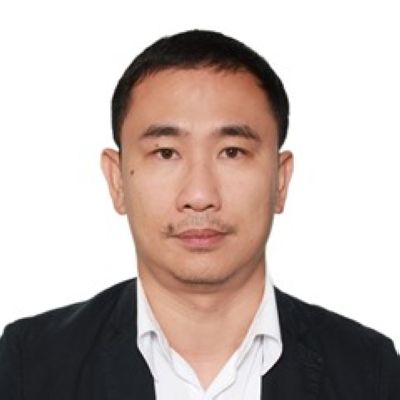




For educator Alpine Gomez, teaching begins with a simple belief: learners thrive when they understand why something matters, feel confident enough to ask questions and have opportunities to apply what they know in practical ways.
Originally from the Philippines, Gomez has built her career across university teaching, professional learning and education in Qatar. A magna cum laude graduate who later completed a Master’s degree, she said her academic journey has shaped the way she approaches teaching, mentorship and professional development.
Gomez told Gulf Times that her interest in education grew from a genuine desire to help young people recognise their abilities and develop confidence in what they can achieve.
“I have always enjoyed working with others, sharing ideas and finding ways to make learning meaningful. Over time, I realised that education offered me the opportunity to do all of those things while making a positive difference in students’ lives,” she said.
What appeals to her most about teaching is the individuality of every learner.
“No two learners are the same. Every student brings different experiences, interests and strengths into the classroom, and I really enjoy creating an environment where they feel confident enough to participate, make mistakes, ask questions and grow,” Gomez said.
Before coming to Qatar, she taught at university level in the Philippines. Her work later expanded to include professionals in Qatar seeking career growth, giving her experience with learners at different stages of their academic and professional lives.
Her own years as a student also influenced the educator she would become.
While completing her Master’s degree, Gomez recalls the encouragement she received from Ms Buenviaje, then vice-president for Academic Affairs, and Mr Baking, then university president of Don Honorio Ventura State University, now Pampanga State University. She said both recognised her potential while she was still developing her academic and professional direction.
Those experiences showed her how confidence can grow when learners feel supported by the people around them.
She also credits her experience with NEBOSH UK with helping strengthen her understanding of effective teaching.
“Effective teaching is not simply about delivering content. It is about building relationships, understanding your learners, supporting them to improve, and helping them develop confidence and independence,” she said.
That principle remains central to her work. Gomez aims to create learning environments where students feel valued and comfortable contributing ideas, taking ownership of their learning and learning from mistakes without fearing that they must get everything right immediately.
Coming to Qatar more than a decade ago opened a new chapter in Gomez’s professional life and introduced her to a highly international educational environment.
She said she was drawn to the country by its rapid development, investment in education and opportunity to work with students and colleagues from diverse cultural backgrounds.
Working in Qatar, she explained, has required her to think carefully about how teaching can respond to different experiences, cultures and expectations.
She considers diversity one of the most valuable aspects of being an educator in Qatar.
A classroom can bring together learners with different nationalities, languages, educational experiences and approaches to problem-solving. Teaching, therefore, cannot always rely on a single method. Educators need to listen, observe and understand how students respond while creating space for different perspectives.
Gomez’s teaching philosophy centres on helping students understand how what they learn connects with the world around them.
“My teaching philosophy is centred on the idea that students learn best when they understand why something matters and can see how it connects to the world around them,” she said.
For this reason, she favours learning experiences that encourage active participation. She asks learners to investigate, collaborate, solve problems, communicate their ideas and apply their knowledge rather than relying primarily on memorisation.
Academic knowledge remains essential, she said, but students also need confidence in applying what they know. Critical thinking, creativity, communication, collaboration and resilience are among the skills she wants learners to develop alongside subject knowledge.
Gomez particularly values opportunities to connect learning with Qatar’s culture, heritage and wider community.
Through her experience with Northford Educational Consulting, she has been able to look beyond conventional classroom settings and consider how learning can respond to the environment in which students live.
“Qatar has such a rich heritage, and I believe students benefit enormously when they can see that what they are learning has a connection to their own surroundings, history and identity,” she said.
Local examples, cultural events, community experiences, Qatar’s development and its heritage can provide immediate points of connection for learners and make lessons more relevant to everyday life.
Such connections can also help students understand that education does not exist separately from society. History, culture, community and contemporary development can all become part of the learning process.
Gomez believes educators themselves must remain willing to learn.
Her time in Qatar has allowed her to collaborate with professionals from different backgrounds, participate in new initiatives and learn from a broad educational community. These experiences have encouraged her to reassess her methods, listen to others and remain open to new approaches.
“I think professional growth comes from being willing to learn from others, try new approaches and remain open to change. Qatar has certainly provided that environment for me,” she said.
Education, she believes, should not end when someone leaves school, university or a training programme. Learning can continue throughout a person’s professional and personal life.
“I want students to feel that education is not simply something they complete at school, but something that gives them the skills, confidence and mindset to make a positive contribution to their communities and to the wider world,” Gomez said.
For Gomez, who has experienced education as a high-achieving student, university educator and professional in Qatar’s multicultural environment, confidence remains at the heart of teaching.

