



Qatar’s commitment to open trade has become the decisive safeguard for its food supply, ensuring year round availability even amid global disruptions.
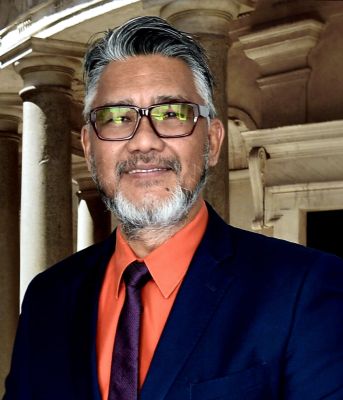
In an interview held on the sidelines of the India Utsav 2026 celebration, Dr Mohamed Althaf, director and chief sustainability officer (CSO) of LuLu Group, said Qatar’s liberal trade regime, combined with India’s rise as a global food supplier, has positioned the country to withstand shocks and maintain stability.
Althaf emphasised that India’s transformation from a producer for domestic consumption to a global food factory has reshaped its role in international markets. He noted that India’s vast geography and diverse climatic zones allow it to produce a wide range of commodities, making it a reliable partner for Qatar’s food security.
He explained that despite supply chain disruptions and adverse weather events, India’s export sector remains resilient. This resilience, he continued, has been critical in supporting Qatar’s food needs, particularly during crises when direct access to top leadership helped stabilise prices and resolve bottlenecks quickly.
Althaf emphasised that Qatar’s food security infrastructure is built on historical experience and structural strengths. While domestic production is limited, he said the country maintains extensive storage reserves, world class ports, and one of the highest densities of maritime services globally.
He stressed that Qatar’s trade policy is a “fundamental guarantee of economic security.” Unlike countries where restrictive import permissions and regulatory hurdles drive up costs, Althaf pointed out that Qatar permits open imports provided standards are met.
To illustrate the risks of restrictive policies, Althaf cited Australia’s banana shortage, where strict rules prevented imports from New Zealand, pushing prices to $15 per fruit. He contrasted this with Qatar’s approach, which avoids artificial shortages by keeping trade channels open.
“LuLu Group plays a central role in this framework, operating 25 sourcing offices worldwide to recalibrate supply routes when disruptions occur,” underlined Althaf, who added that alternative routing through Red Sea ports can be deployed swiftly, ensuring continuity.
He highlighted Qatar’s government support during crises, including guaranteed airlift capabilities for critical food products and coordination with national maritime entities to keep supply chains intact.
Althaf explained that market dynamics typically recalibrate within five to six months, either through demand adjustment or route optimisation. Retailers absorb costs rather than passing them to consumers, while stable tax structures and producing nations with export surpluses help balance expenses, he continued.
He added that Qatar’s resilience rests on mutual trust between leadership, residents, and the business community, reinforced by liberal trade policies and proactive government intervention.

