




When “Mathaf: Arab Museum of Modern Art” opened its doors in 2010, it did far more than unveil a new architectural space; it filled a cultural gap and answered a critical regional need.
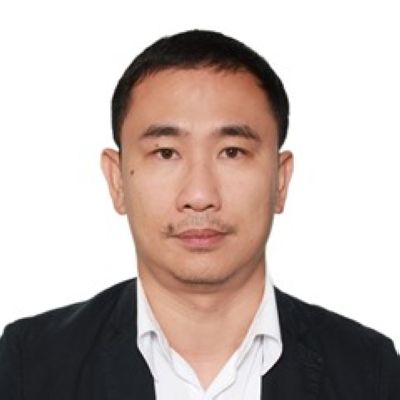
Speaking recently on the Evolution Nation, Voices podcast, Mathaf director Zeina Arida highlighted the museum’s founding purpose and how it continues to shape the institution’s direction.
“And when Mathaf opened its doors, it was really answering a need of answering a gap, filling a gap, and answering a need, which was to have a collection studying artistic practices in the region, also preserving these works and making them accessible,” she said.
“There was also always this important mission of contributing to writing the history of artistic practices, biographies of our artists, but also always supporting future production,” Arida said. “And what we are doing, like where we are heading towards, is exactly in the same spirit and vision.”
As Mathaf celebrated its 15th anniversary last year, the milestone provided a natural vantage point to look both backwards and forward.
While the physical museum may be relatively young, its roots stretch further back, grounded in the foresight of its founder.
“Mathaf is the most important collection of Arab modern and contemporary art in the world, and that’s very, of course, important,” Arida stated. “I also like to always remind that the museum opened its doors 15 years ago, but it has been in the making for 40 years.”
“And this is what we also tried to do in the exhibitions... which is really to look at how the museum was being prepared, how the collection was actually collected by Sheikh Hassan and all the stories that evolved to make it what it is today,” she noted.
The initial collection of Mathaf was assembled by Sheikh Hassan bin Mohammed al-Thani, a prominent Qatari art collector and cultural patron, regarded as a driving force behind Qatar’s modern and contemporary art scene.
This deep-seated continuity remains the anchor for Mathaf’s future evolution.
“From the start, what is very common – between the vision of Sheikh Hassan and the museum and the future as we see it – is the fact that it’s the platform to support artistic production focused on the region,” Arida said.
When asked what it takes to operate a cultural organisation of this magnitude, her answer centred on a single, vital concept: care.
Running Mathaf requires an intricate balance of public-facing curation and behind-the-scenes preservation.
“What does it take? It takes a lot of care, I would say, first,” she said. “It’s not only about collecting the important artists, making sure we don’t forget and making sure that we fill the gaps of the collection because there are always gaps, but also making sure that it’s always relevant.”
“As you know, (what) we’re going through, our society and, there are constant changes in both the challenges we face, the conflicts in the region, and it’s very important that the museum – probably a contemporary art museum, more than any other museum – that it stays relevant to its times and to its audiences,” Arida said.
Looking ahead over the next 15 years, the director said the institution’s path forward is guided by a clear conviction: standing still is not an option.
As the digital era accelerates, regional dynamics evolve, and emerging technologies reshape how people engage with culture, museums and cultural institutions must continually innovate and adapt to remain relevant.
“I’m very aware – obsessed even – by the idea of staying relevant,” Arida said. “Always questioning what we do, the way we do it, making sure that we are always listening to both the needs of the artist and the art scene, but also the needs of the audience, the change.”

