



Qatar’s private sector is poised to expand globally, leveraging the legacy of the 2022 FIFA World Cup and a series of policy reforms designed to attract investment and diversify the economy, a panel of Qatari public and private sector experts agreed.
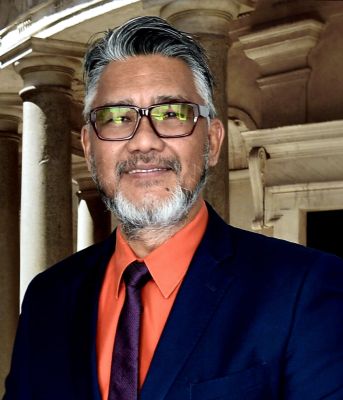
Khalid Abdulla al-Mana, vice-president of Enterprise Development and executive director of Qatar Exports; Mohammed al-Mulla, head of Asia at Invest Qatar; Hamad Mohammed al-Nasr, director of Trade Development and Investment Promotion at the Ministry of Commerce and Industry (MoCI); and Ashraf Abu Issa, chairman and CEO of Abu Issa Holding; discussed this central message during the ‘Unlock Potential and Accelerate Growth – Opportunities & Challenges’ panel, held recently on the sidelines of the ‘IBPC Annual Connect Event 2026’.
Al-Mana highlighted how Qatari companies are increasingly taking their expertise abroad: “In 10 years, we have a world-class metro, airport, stadiums, and roads... with this came a lot of private sector growth. It is important that we take this private sector outside because we have a lot of things to be proud of.”
He noted that Qatar Development Bank (QDB) has been financing and supporting companies to enter international markets, citing recent participation in the African Investment Forum as an example of Qatar’s growing footprint.
Al-Mana also pointed to India as a priority market, noting that QDB is preparing trade missions to map opportunities between Qatari and Indian firms. “We want to do the research for the Indian market and conduct a trade mission, hopefully this year... this will help a lot in building trade relations,” he added.
During the discussion, al-Mulla outlined Invest Qatar’s focus on knowledge-based industries. “In alignment with the Third National Development Strategy, we proactively target sectors such as emerging technologies, logistics, advanced manufacturing, game development, and mobility solutions,” he explained.
He stressed that Invest Qatar provides facilitation and aftercare services to ensure companies have a “soft landing” in the country. “We keep a close alignment to these companies to ensure they have a safe journey within Qatar,” al-Mulla said.
Addressing regional competition, he stated that competitiveness among Gulf economies “is ultimately beneficial”. “Competition in the region is a benefactor... it creates a wider supply chain, talent gets circulated, and this shows sustainability within the region,” he said.
Emphasising Qatar’s regulatory transformation, al-Nasr said: “We are guided by our national development strategy... Qatar has put three main KPIs: to be among the top 10 business environments globally, attract $100bn in FDI, and increase non-hydrocarbon contribution to GDP by 2030.”
He revealed that the ministry is implementing more than 188 projects to ease the business journey, alongside sector-specific roundtables to identify and address private sector challenges. “This year alone we have highlighted 128 business challenges from the private sector...we listen, validate, and move back to the private sector on an annual basis,” al-Nasr explained.
Abu Issa reflected on the evolution of Qatar’s business ecosystem, saying the country witnessed “a big change” over the last two decades. He noted that challenges such as visas and land allocation have eased, while legislation for family businesses and startups has matured. He also offered advice to entrepreneurs, placing emphasis on patience and grassroots development.

