




Msheireb Museums organised the first session of its Science Café Series 2026 at Bin Jelmood House Thursday, discussing the topic “Stem Cell in Precision Medicine: From Research to Reality”.
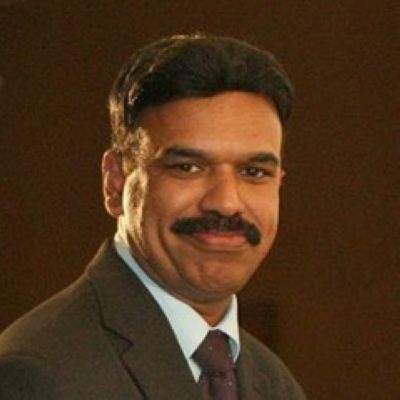
The event started with a talk by Dr Essam M Abdelalim, principal investigator – Associate Level, at the Laboratory of Pluripotent Stem Cell Disease Modelling at Sidra Medicine, followed by a panel discussion with several experts.
Speaking about stem cells and their importance in modern-day medicine, Dr Abdelalim took the audience back to the earliest days of their discovery and their application in different types of treatments for various diseases.
“The role of stem cells is growing in modern medicine,” he said. “Stem cell research is advancing our understanding of disease, enabling regenerative therapies, and shaping the future of personalised healthcare.”
Following Dr Abdelalim’s talk, a panel discussion brought together clinicians, researchers, and experts to explain stem cells in clear, accessible terms and to share how laboratory discoveries are being translated into safe and effective treatments for patients.
Aside for Dr Abdelalim, the panellists were Dr Chiara Cugno (acting chief of paediatric haematology oncology and bone marrow transplant and director of the Advanced Cell Therapy Core at Sidra Medicine), Dr Mohammed Ghaly (professor of Islam and biomedical ethics and head of the Research Centre for Islamic Legislation & Ethics at Hamad Bin Khalifa University), and Dr Mohammed Shaker (scientist at the Neurological Disorders Research Centre at Hamad Bin Khalifa University’s Qatar Biomedical Research Institute).
Dr Sara Abdulla, senior research programme manager (Biomedical and Health) at the Qatar Research, Development and Innovation Council, moderated the discussion.
Dr Cugno said that red stem cells can indefinitely grow and divide, and so they create a cell in a moving path.
“Children are completely different from adults, and we have different diseases in children,” she said.
“However, the type of stem cells that we use in children are exactly the same that we use for adults,” she continued. “Stem cells can be combined. So we have gene therapy approaches that have reached the market and several patients are already treated using this method.”
“In neurology, stem cells come in a lot when it comes to the experimental setting,” Dr Shaker said. “We are still trying a lot. We are trying a lot to improve stem cell therapy when it comes to neurology. And the reason is that the brain is very complex.”
Dr Ghaly explained the ethical aspects of incorporating stem cells into treatment and how they should be considered.
Sidra Medicine research manager Dr Sahar Da’as anchored the whole event.

