The Doha-based Arab Educational Center for the Gulf States organized a virtual seminar titled: "Learning from Crises in the Education Sector: From Educational Continuity to Reshaping Learning."Educational leaders and specialists across the Gulf states and Arab countries participated in the seminar.The seminar aimed to empower educational leaders to turn crises into opportunities for institutional learning, and to reshape educational systems by activating institutional memory and developing innovative policies based on data collection and analysis. This contributes to building a resilient education sector capable of sustaining quality and transforming field experiences into documented and actionable practices.Undersecretary of the Omani Ministry of Education for Education Dr. Badr bin Hamoud Al-Kharousi stressed during the opening session the need for Gulf education systems to move from single learning, based on operational response, to double-loop learning, which reconstructs strategic frameworks in line with national development visions. He also highlighted the importance of transforming lessons learned into organizational memory that ensures policy continuity and the accumulation of expertise.For her part, the Director of the Arab Educational Training Center for the Gulf States Dr. Fatima Ghanem Al Maadheed affirmed the center's commitment to empowering educational leaders with tools for learning monitoring and institutional documentation, thereby enhancing the efficiency of educational institutions in addressing various challenges.The seminar also reviewed ways to integrate learning patterns within a comprehensive institutional framework that takes into account the specific characteristics of Gulf education systems, alongside an analysis of the challenges of structural transformation and the roles of both public and private sector stakeholders.Associate Professor at the Doha Institute for Graduate Studies Dr. Moosa Al-Afri delivered a keynote presentation highlighting the latest global research on crisis leadership.The seminar concluded with a set of strategic recommendations focused on turning crises into opportunities to redesign education policies and build a knowledge-based economy, through investment in digital transformation, human capital development, and data-driven educational innovation. This would help align educational outcomes with the needs of the Gulf labor market and strengthen the ability of education systems to respond to crises.
Qatar
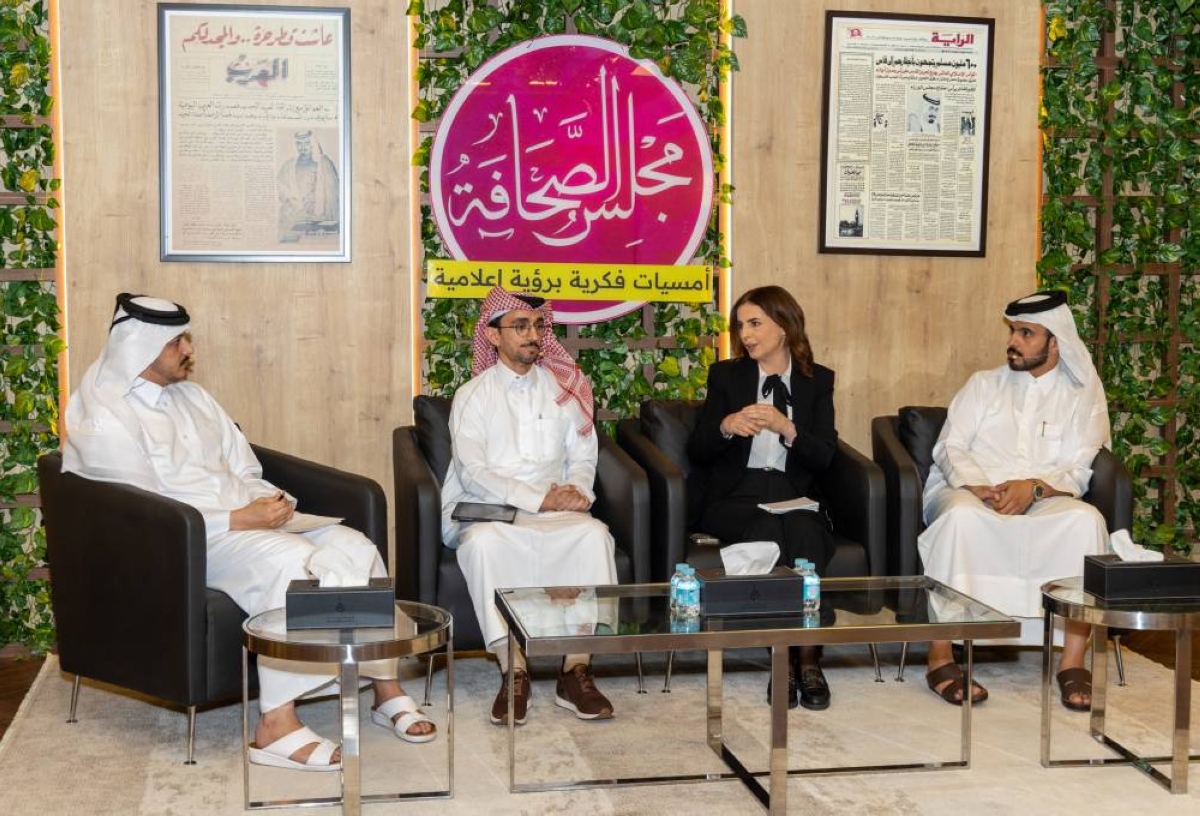
Qatar Press Centre highlights seven journalism challenges during wars and crises
Tuesday, May 05, 2026
HEC Paris, Doha to hold online info session for Executive MBA Emerging Leaders Track
Tuesday, May 05, 2026

Monday, May 04, 2026
Monday, May 04, 2026
Sunday, May 03, 2026
Sunday, May 03, 2026

Wednesday, April 22, 2026

Hamad Medical Corporation performs hip replacement using Advanced Technique for the first time in Qatar
Monday, May 04, 2026
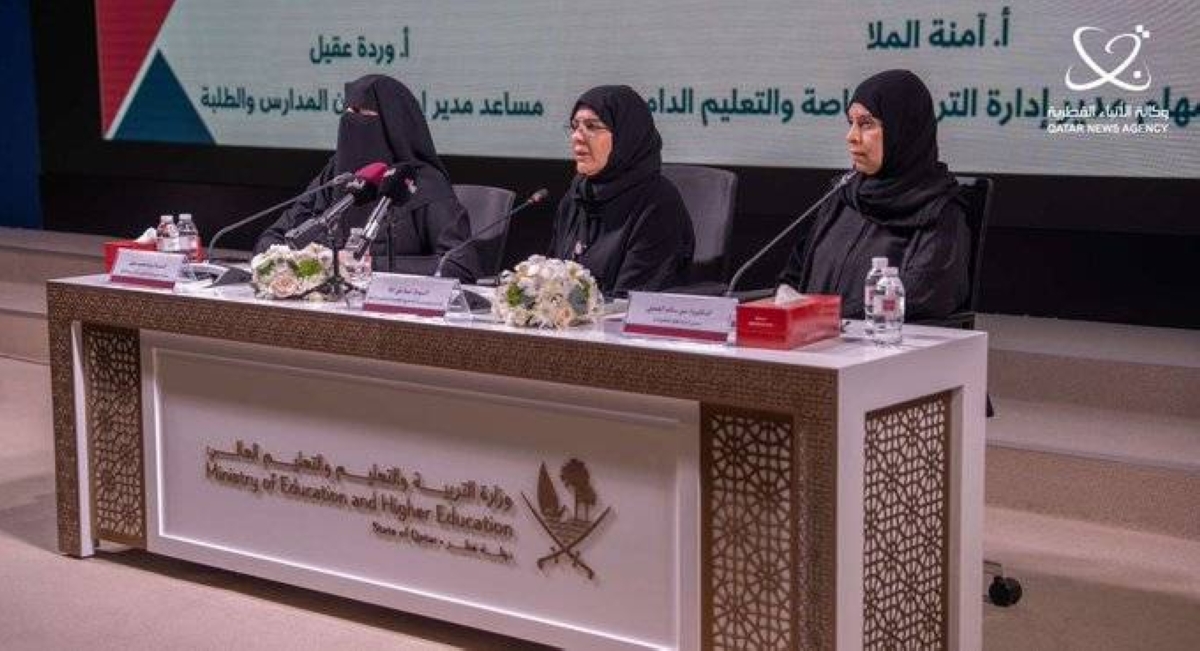
Qatar's Education Ministry launches online registration for students with disabilities
Monday, May 04, 2026