tag

Sunday, July 26, 2026 | Daily Newspaper published by GPPC Doha, Qatar.

Tag Results for "Cybersecurity" (26 articles)

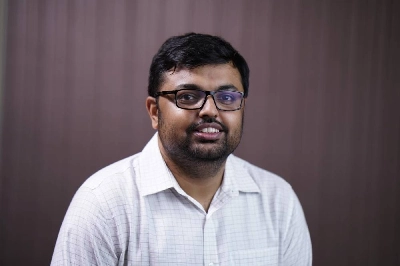
Patrick Dannacher, president director and CEO of ITSEC Asia.
Business

Cybersecurity should reach SMEs and families, not just big firms, says expert

Organisations rushing to adopt artificial intelligence (AI) without the right safeguards risk opening new vulnerabilities that attackers are already looking for, a senior executive at an Indonesia-based cybersecurity firm has warned. Earlier, Patrick Dannacher, president director and CEO of ITSEC Asia, told Gulf Times that Qatar’s investments in AI, smart infrastructure, and the digital economy have made cybersecurity both relevant and essential to the country’s long-term growth. The pressure to implement AI is understandable, he said, but speed of adoption is not the same as safe adoption. “Today, many organisations feel pressure to implement AI to improve productivity and stay competitive. That is absolutely the right direction, but the important question is not whether you should adopt AI, it is how you adopt it safely,” he explained.Dannacher said, “Bad actors have already embraced AI. We are seeing more sophisticated phishing campaigns, convincing deepfakes, AI-assisted malware, and automated attacks operating around the clock.”  “Unlike people, AI does not need to sleep. As long as it has power, it can keep working, learning and looking for weaknesses,” reiterated Dannacher. Dannacher said the future of cybersecurity is not a choice between people and technology, but a combination of both. To that end, he said ITSEC Asia developed Bronyx, an AI-powered autonomous penetration testing platform that continuously checks security controls and flags weaknesses before they can be exploited. He noted that this gap is not limited to large enterprises. Small and medium-sized enterprises (SMEs), schools, and communities often lack access to the security tools and expertise available to well-resourced organisations, leaving them exposed, he emphasised. Dannacher said the company offers IntelliBron Orion, a plug-and-play platform designed for organisations that do not have large security teams, as well as IntelliBron Aman Enterprise, tailored for businesses and schools seeking to build safer digital environments for employees and students. “We believe cybersecurity awareness and protection should start early, and educational institutions play a critical role in building future cyber resilience,” he said. At the consumer level, Dannacher said individuals and families also need straightforward and accessible protection against phishing attempts, malicious links, and online scams, which the company addresses through IntelliBron Aman. Because technology alone is not enough, he noted, the company also established the ITSEC Cyber and AI Academy to help organisations and professionals build the skills the AI era demands. Dannacher said this view connects to a broader shift that is taking shape across the region, noting that countries are no longer content to depend entirely on external technologies to protect their most critical systems. “Across the Global South, we believe local innovation, local talent and locally developed solutions will become increasingly important,” he said. He said the company’s UAE base, which has served as its gateway to the Middle East since 2017, positions it to grow alongside the region’s accelerating digital transformation. “We want to make cybersecurity practical, sustainable and easy to adopt. Because cybersecurity should create confidence, not complexity,” Dannacher added.

Dr Thamer al-Qadi
Qatar

Cyber resilience is crucial to Qatar’s digital future: expert

As Qatar advances its ambitious Digital Agenda 2030, cybersecurity must evolve from a technical function into a shared national responsibility, according to Dr Thamer al-Qadi, who is widely recognised as one of Qatar's leading technology executives. He has more than 25 years of experience shaping the country's digital landscape through innovation, cybersecurity, and strategic technology leadership. He is currently director of Information Technology at Katara Cultural Village Foundation.Speaking to Gulf Times, Dr al-Qadi said the country's rapid adoption of artificial intelligence, cloud computing, smart infrastructure and digital services makes cyber resilience fundamental to sustainable development. While technology continues to reshape the way organisations operate, he stressed that trust, governance and human awareness remain the strongest safeguards against increasingly sophisticated cyber threats."The greatest challenge over the coming years will be the erosion of digital trust," he said. "Artificial intelligence (AI) now enables criminals to create convincing emails, forged documents, deepfake voices and realistic videos. People can no longer rely solely on what they see or hear. Trust must be based on verification."Dr al-Qadi rejected the common perception that employees are the weakest link in cybersecurity, arguing instead that people become an organisation's strongest defence when properly trained and supported.Most cyber incidents, he noted, result from everyday mistakes such as clicking phishing links, approving fraudulent multi-factor authentication requests, reusing passwords or opening malicious attachments. Attackers increasingly impersonate banks, government agencies, telecom providers and delivery companies, using urgent messages in Arabic and English to trick victims into revealing sensitive information.Simple measures, including unique passwords, multi-factor authentication, regular software updates and verifying unexpected requests through a separate communication channel, remain among the most effective forms of protection, he said.For organisations, annual awareness campaigns are no longer sufficient."Cybersecurity awareness must be continuous and practical," he said, advocating regular phishing simulations, role-specific training and an environment where employees can report suspicious activity without fear of blame.AI, Dr al-Qadi said, has transformed both cyberattacks and cyber defence. AI enables criminals to launch highly personalised phishing campaigns at unprecedented speed, but it also allows security teams to detect unusual behaviour, prioritise threats and respond more rapidly to incidents."AI should enhance professional judgement, not replace it," he said, emphasising that strong governance and human oversight remain essential as organisations adopt intelligent technologies.The expansion of hybrid and remote working has also redefined cybersecurity. Traditional office boundaries have disappeared as employees increasingly access corporate systems from homes, airports and public networks.To address these risks, Dr al-Qadi advocates a Zero Trust security model in which every user, device and connection is continuously verified regardless of location. Organisations should centrally manage corporate devices, implement strong authentication, encrypt sensitive information and establish clear policies governing remote work."Providing a laptop and VPN is no longer enough," he said. "Security must be integrated into the entire operating model."Dr al-Qadi also warned against the misconception among small and medium-sized enterprises (SMEs) that they are too small to attract cybercriminals.Automated attacks constantly scan the internet for vulnerable systems, regardless of company size, while smaller businesses frequently become gateways into larger organisations through supply-chain attacks.Rather than investing immediately in costly security infrastructure, SMEs should focus on the fundamentals: protecting critical data, enabling multi-factor authentication, maintaining secure backups, keeping systems updated and developing practical incident-response plans.He added that outsourcing IT services does not transfer cybersecurity responsibility. Organisations remain accountable for protecting their information and ensuring service providers comply with clearly defined security and data protection requirements.Looking ahead, Dr al-Qadi believes Qatar's growing investment in smart cities and Internet of Things (IoT) technologies presents enormous opportunities, provided cybersecurity is embedded from the outset.Connected devices controlling transport systems, utilities, buildings and public services can improve efficiency, but they also create new attack surfaces if security is overlooked. He called for secure-by-design principles, robust procurement standards and continuous monitoring of connected infrastructure throughout its lifecycle.Despite the growing sophistication of cyber threats, Dr Al Qadi stressed that the objective is not to eliminate risk but to build resilience."No organisation or individual is ever completely unhackable," he said. "Success lies in preventing attacks where possible, detecting breaches quickly, limiting their impact and recovering rapidly."He urged organisations to test backups regularly, rehearse incident-response plans and clearly define responsibilities before an attack occurs rather than during a crisis.For Qatar, he concluded, cybersecurity has become a strategic enabler of economic diversification and digital innovation.Cybersecurity is no longer the responsibility of the IT department alone," Dr al-Qadi said. "It belongs to every individual, every organisation and every leader. By embedding secure behaviour into our daily lives and combining innovation with strong governance, Qatar can build a trusted and resilient digital future."He urged organisations to regularly rehearse incident-response plans, test backups and clarify responsibilities before crises occur.Ultimately, he said, cybersecurity extends far beyond technology."It is a shared responsibility that belongs to every individual, every organisation and every leader," he said.With Qatar investing heavily in digital infrastructure, cloud computing, artificial intelligence and smart services, Dr al-Qadi believes trust will determine the success of the country's digital future."Cybersecurity is not simply about protecting computers," he said. "It is about protecting confidence in the digital economy. By embedding secure behaviour into everyday life and combining innovation with good governance, Qatar can build a resilient digital future that supports sustainable growth for generations to come." 

Gulf Times
Qatar

Qatar wins WSIS cybersecurity award again

Qatar, represented by the National Cyber Security Agency, has won the World Summit on the Information Society (WSIS) 2026 Award for the second consecutive year in the ALC5 – Building Confidence and Security in the Use of Information and Communication Technologies category.The award was received by National Cyber Security Agency Director-General Ahmed Mohammed al-Mutawa al-Hammadi during the official ceremony in Geneva.The achievement followed a competitive selection process involving hundreds of projects from countries around the world.The nominated projects underwent a comprehensive evaluation, including public voting, expert assessment, and review by specialised committees, before the National Cybersecurity Training Programme was selected as the winning project.The programme was recognised for its significant contribution to achieving the objectives of the WSIS and supporting the implementation of the 2030 Sustainable Development Agenda. 

Gulf Times
Qatar

NCSA, beIN MEDIA GROUP sign MoU to enhance cybersecurity awareness, capacity building

The National Cyber Security Agency (NCSA) and beIN MEDIA GROUP have signed a memorandum of understanding (MoU) aimed at strengthening cooperation in the fields of cybersecurity awareness and national capacity building. The MoU was signed on behalf of the National Cyber Security Agency by Dalal al Aqeedi, Assistant Director of Cyber Security Policies and Strategies Department, and on behalf of beIN MEDIA GROUP by Hamad al-Sheikh, Human Resources Director for the Middle East and North Africa, in the presence of senior officials from both parties. The MoU reflects the shared commitment of both parties to expanding cooperation between the government and media sectors in support of national efforts to enhance cybersecurity and promote digital awareness across the State of Qatar. For her part, Dalal al-Aqeedi, Assistant Director of the Cyber Security Policies and Strategies Department at the National Cyber Security Agency, stated that the MoU establishes a framework for collaboration on future initiatives and projects related to cybersecurity and digital safety, reinforcing national efforts to build a secure and digitally aware society. The MoU outlines cooperation across several areas, most notably offering training opportunities to beIN MEDIA GROUP employees through the Agency’s specialised national programmes, including the Graduate Bootcamp, Professionals Programme, Managers Programme, and Leaders Programme, in addition to participation in cybersecurity workshops and awareness sessions. Hamad al-Sheikh, Human Resources Director at beIN MEDIA GROUP, stated that the partnership reflects the growing importance of cybersecurity as a cornerstone of national security in the State of Qatar, particularly in light of the rapidly evolving cyber threats targeting individuals, organisations, and critical infrastructure. He emphasised that awareness and training constitute the first line of defence against cyber threats, and that investing in a strong security culture is as critical as investing in advanced technologies, given its pivotal role in strengthening resilience and mitigating cyber risks. He further stated that the collaboration reflects beIN MEDIA GROUP’s commitment to supporting the national cybersecurity ecosystem through raising awareness, developing capabilities, and strengthening the protection of its digital infrastructure, to ensure the continuity of its media and sports services in accordance with the highest standards of security and reliability. He added that the partnership is aligned with the State of Qatar’s strategy to establish a secure national cybersecurity ecosystem founded on partnership, innovation, national capacity building, and enhanced preparedness to address evolving cyber threats. The MoU further encompasses cooperation in promoting the Agency’s national training programmes and initiatives through beIN MEDIA GROUP’s internal channels and digital platforms, supporting the dissemination of cybersecurity and digital safety awareness campaigns and public service announcements across its media platforms and television channels, and exploring opportunities to develop and produce awareness content and programmes for children on cybersecurity and digital safety, thereby promoting digital awareness among younger generations and fostering safe online practices. The MoU forms part of the National Cyber Security Agency’s ongoing efforts to strengthen strategic partnerships with national and regional entities and leverage influential platforms to raise cybersecurity awareness and promote a culture of safe and responsible use of technology, in support of Qatar’s cybersecurity and digital safety objectives. The National Cyber Security Agency continues to implement a range of national initiatives and programmes aimed at enhancing cybersecurity awareness, developing national capabilities, and strengthening digital readiness across all segments of society, thereby contributing to a secure and trusted digital environment that supports Qatar’s development and digital transformation agenda.

Gulf Times
Community

Hunting the Hunters: The Indian Cyber Entrepreneur Tracking thousands of Global Threat Actors in Real-Time

Every single day, millions of personal records, corporate secrets, and sensitive data points vanish into the dark, hidden corners of the internet. For most people, the digital underworld is an invisible, terrifying abstraction, a place where anonymous threat actors strike without warning, leaving ruined reputations and financial chaos in their wake. But where the world sees an untamable digital wilderness, Nandakishore Harikumar sees a landscape that can be mapped, understood, and defended. Over a decade ago, the tech professional from Mavelikara,a town in the Alappuzha District of Kerala, India looked at the escalating global cyber crisis and chose an unconventional path: instead of just fixing the locks after a house had been robbed, he decided to track the burglars themselves. Today, as a recognized subject-matter expert in threat intelligence and cybercrime, he has turned that proactive philosophy into a global security shield, proving that deep-tech innovation can scale from India to the absolute frontiers of international cybersecurity. The Architecture of Foresight: Turning the Tables on Cyber AdversariesThe foundation of this journey began in February 2018 with the birth of Technisanct, a big-data cybersecurity company that set out to close the critical gaps in threat management. In the early days, operating as a consultancy for prominent brands across India, the process of gathering leaked data was a grueling, labor-intensive manual chore. Recognizing that time is the ultimate casualty in a data breach, Nandakishore envisioned an artificial-intelligence-powered, software-as-a-service platform that could dramatically accelerate threat detection. The result was Falcon Feeds, a flagship product that fundamentally flipped the traditional security narrative. While standard security systems passively wait to log incidents and events, Falcon Feeds actively monitors more than 22,000 adversaries simultaneously spanning dark web vendors, APT groups, hacktivists, initial access brokers, ransomware groups, and data brokers tracking their infrastructure, tactics, techniques, and procedures. By decoding the behavior of these adversaries before they strike, the proprietary platform democratizes cybersecurity, giving organizations without massive in-house teams the power to mitigate digital risk early. This distinctive approach caught the attention of the global market, and today, Falcon Feeds serves over 200 customers including governments, corporate giants, the Big Four firms, and specialized cybersecurity enterprises across more than 55 countries, with a primary footprint in Europe and the United States. Unmasking Digital Deception and Looking Beyond the HorizonNandakishore’s expertise extends far beyond standard code and firewalls into the complex human and geopolitical dimensions of the digital age. His daily work delves into deep, niche disciplines like analyzing fraud networks, mapping the cyber dimensions of international geopolitical crises, and monitoring coordinated inauthentic behavior, fake news, and propaganda operations. This deep understanding of how malicious actors exploit digital communication has made him a trusted ally for multiple law enforcement agencies in India and abroad, supporting sensitive investigations into the darkest corners of the cyber domain. As the regulatory environment matures and demands for stricter data protection and privacy tighten, Technisanct is already engineering its next chapters. The company's intelligence engine now spans more than 50,000 Telegram groups covering cybercrime, cybersecurity, and geopolitics surfacing threat-actor activity and brand risks as they unfold. Backed by a landmark investment from IIT Kanpur, India, a powerful validation of the company's research foundation Nandakishore is advancing proprietary AI models to profile cyber threats with unprecedented precision. From its roots in Kerala, India, Technisanct continues to execute a bold, data-centric roadmap, carrying homegrown, cutting-edge threat intelligence to the global stage and rewriting the rules of proactive digital defense. 

Patrick Dannacher, president director and CEO of ITSEC Asia.
Business

Cyber threats to grow more automated and targeted, warns expert

Qatar’s businesses and policymakers may face a more automated, more targeted and more persistent wave of cyber threats over the next five years, a top executive at an Indonesia-based cybersecurity firm has said. “I think there are several trends that organisations in Qatar and across the Gulf should be preparing for. The first is that attacks will become more automated, more targeted and more persistent because of AI,” Patrick Dannacher, president director and CEO of ITSEC Asia, told Gulf Times. According to Dannacher, artificial intelligence (AI) is lowering the barriers that once separated serious threat actors from opportunistic ones, allowing attacks to run at a scale that was not previously possible. Critical infrastructure is also drawing more attention as Qatar’s digital footprint expands, he said, with sectors such as energy, transportation, telecommunications, and financial services “becoming increasingly attractive to sophisticated threat actors.”Visibility is another gap organisations will need to close, Dannacher noted. “You cannot protect what you cannot see, so having a clear understanding of where you are vulnerable will become increasingly important,” he said. On the talent side, Dannacher said every country in the world is dealing with a shortage of cybersecurity professionals, and Qatar is no exception. He noted that technology will automate a growing number of tasks, but skilled professionals remain the ones making decisions, investigating incidents, and managing risk. The fifth trend Dannacher identified is a shift away from annual or periodic security assessments toward continuous validation and monitoring. “The threat landscape changes too quickly for organisations to check their security once or twice a year and assume everything is fine,” he pointed out. Dannacher said the organisations best placed to handle what is coming are not necessarily those that manage to avoid every attack, but those that build the habit of continuous improvement and adapt quickly when something goes wrong. Behind those five trends lies a broader mindset problem that, according to Dannacher, cuts across industries and geographies. “I think this is less about the Middle East and more about how organisations around the world think about cyber risk,” he said.He said many organisations only shift their attention to cybersecurity after something goes wrong, citing a breach, a ransomware attack, or a significant incident. “If nothing happens for a couple of years, people become comfortable again and attention moves elsewhere,” Dannacher pointed out. Dannacher said, “We need to move from a reactive mindset to a proactive one. Organisations should be continuously monitoring their environment, understanding how the threat landscape is changing, and identifying where they are most vulnerable before an incident occurs.”Citing fire drills as an example, Dannacher said most organisations run them several times a year and staff generally know what to do, where to go, and who is responsible. Cyber exercises rarely get the same treatment: “But how many organisations run cyber drills with the same frequency?” he noted.“Cyber drills help identify weaknesses, test response capabilities and ensure the right people and processes are in place before something happens,” he emphasised. Dannacher also cautioned against treating regulatory compliance as the finish line. “Compliance is important, but the threat landscape moves much faster than regulations. The most resilient organisations are the ones that go beyond compliance, continuously improve and prepare for the risks of tomorrow, not just the requirements of today,” he said.Dannacher explained that building that kind of resilience requires governments, regulators, academia, and industry to work together and share what they know. “The more we share information, learn from each other’s experiences and work together, the stronger and safer the entire ecosystem becomes,” he said.He added: “The more we share information, learn from each other’s experiences and work together, the stronger and safer the entire ecosystem becomes.”

Patrick Dannacher, president director and CEO of ITSEC Asia.
Qatar

Expert: Cybersecurity key for Qatar’s digital growth

Qatar’s investments in artificial intelligence (AI), smart infrastructure, and the digital economy have made cybersecurity both relevant and essential to the country’s long-term growth, an official of an Indonesia-based tech firm has said.“Qatar is particularly interesting because of its ambitious vision for technology, innovation, and digital transformation,” Patrick Dannacher, president director and CEO of ITSEC Asia, told Gulf Times in an exclusive interview.Dannacher said, “As the country continues to invest in AI, smart infrastructure, and the digital economy, cybersecurity becomes an essential enabler of trust and resilience.”He continued, “We believe there are tremendous opportunities ahead, and we are committed to supporting organisations across the region with world-class expertise, innovation and a long-term partnership approach.“Ultimately, our mission is very simple: to help businesses and governments innovate with confidence and provide something increasingly valuable in today’s digital economy, which is peace of mind.”According to Dannacher, the company started in Indonesia 16 years ago with seven people. It has since grown to more than 400 cybersecurity professionals across offices in Southeast Asia, Australia, and the Middle East. It is the only listed cybersecurity company on the Indonesian Stock Exchange, he noted.Dannacher said ITSEC Asia’s entry into the Gulf came through a Dubai base, established in 2017, from which it serves organisations across the GCC with services spanning advisory, managed security, penetration testing, security assessments, and cyber resilience programmes.He said the Middle East was a logical next step because it resembles what his teams saw in Southeast Asia years earlier.Dannacher said the Middle East and Southeast Asian regions are undergoing rapid digital transformation, embracing AI at scale and generating rising demand for cyber resilience. In both markets, organisations are searching for partners who can help them grow without making themselves more vulnerable in the process, he also said.What those organisations are navigating has changed sharply in recent years, Dannacher pointed out, adding that “the threat landscape has changed dramatically in recent years. Attacks are becoming more targeted, more persistent and increasingly AI-enabled.”He said, “What is different today is that many attacks are no longer being driven only by humans.”Dannacher cautioned that AI is helping attackers automate reconnaissance, develop phishing campaigns, generate deepfakes, and identify vulnerabilities much faster than before.“A human needs a little bit of sleep. AI does not. As long as it has enough computing power, it can keep working around the clock,” he said.For organisations in the Middle East, Dannacher emphasised that the company is seeing growing threats from AI-powered phishing and social engineering, ransomware targeting critical infrastructure, business email compromise, deepfake-enabled fraud, supply chain attacks, and increasingly sophisticated state-sponsored actors.The tools fuelling these threats have also become cheaper and more accessible, Dannacher warned. “AI is lowering the barriers to entry for cybercriminals. Many of the tools available today are inexpensive or freely accessible, which means attackers no longer need the same level of expertise or resources as they once did,” he stressed.He said, “Despite all the advances in technology, the biggest vulnerability remains is people. In most organisations, attackers are still looking for human mistakes, whether that is clicking on a phishing email, sharing sensitive information or simply overlooking something important.”Cybersecurity is not only a technology challenge, he explained, adding that stopping at technology is a mistake.“It is also about people, training, and visibility. Organisations need to understand where they are vulnerable, continuously monitor their environment, and make cybersecurity part of everyday business operations,” Dannacher added. 

Patrick Dannacher, president director and CEO of ITSEC Asia.
Business

Cyber resilience essential to Qatar’s digital growth drive, says expert

Cyber resilience is a foundational requirement, not an afterthought, in Qatar’s digital transformation drive, a top official of a cybersecurity firm has said.“Cybersecurity is a fundamental enabler of digital transformation,” Patrick Dannacher, chief executive of ITSEC Asia, told Gulf Times.According to Dannacher, resilience against cyber threats is essential to sustaining growth and maintaining trust as Qatar presses ahead with artificial intelligence (AI), smart infrastructure, and the digital economy.He identified three areas where the company can contribute: helping organisations strengthen their cybersecurity capabilities, developing local talent, and applying best practices drawn from engagements across Southeast Asia, Australia and the Middle East.The threat environment facing small and medium-sized enterprises (SMEs) and individuals in the region has grown more dangerous and more deceptive, Dannacher said, noting that phishing, credential theft, ransomware, business email compromise and AI-enabled scams are now the most common attack types.He also warned that what has changed is how convincing these attacks have become.“Artificial intelligence allows attackers to create highly personalised phishing emails, realistic voice cloning and even deepfakes. The barrier to entry for cybercriminals has become much lower, while the scale and speed of attacks continue to increase,” he pointed out.Unlike human operators, AI-powered attacks run continuously, making them harder to detect and more persistent than earlier generations of threats, he explained.Dannacher said, “Smaller businesses are increasingly becoming targets because attackers understand that they often have fewer resources and less visibility than larger enterprises ... SMEs are part of larger supply chains, which means compromising one smaller organisation can provide access to many others.”According to Dannacher, simple measures such as enabling multi-factor authentication, keeping systems updated, using strong passwords, and, raising awareness among employees and family members can significantly reduce risk.“Cybersecurity does not have to be complicated. Good cyber hygiene and awareness remain some of the most effective defences available,” he said.On state-sponsored threats, Dannacher pointed out that no single company, government agency, or technology can address the problem alone.He further explained that these attacks tend to be well-funded, highly sophisticated, and persistent, which means the response has to be coordinated across government, regulators, critical infrastructure operators, universities, and the private sector.Everyone has a defined role, he said. “The regulator helps establish the baseline; companies need to strengthen their defences, universities need to help develop talent, and information needs to be shared across the ecosystem,” Dannacher emphasised.He noted that preparation matters as much as architecture. Dannacher said most organisations run fire drills several times a year, but far fewer conduct cyber exercises with the same regularity.“Cyber drills help identify weaknesses, test response capabilities, and make sure people know what to do before an incident happens, not during one,” he said.Supply chain security has become an equally pressing concern, given how deeply interconnected organisations now are, Dannacher said, adding that a single supplier’s weakness can run through an entire ecosystem.“The countries that bring together government, industry, and academia most effectively will be the ones best positioned to deal with these increasingly sophisticated threats,” Dannacher added. 

Anthropic's Mythos is viewed by cybersecurity experts as posing significant challenges to the banking industry and ‌its legacy technology systems, prompting ⁠a series of warnings from ‌regulators and policymakers gathered at last week's International Monetary Fund spring ‌meeting in Washington.
Business

Banking industry scrambles for Anthropic's Mythos as global regulators review risks

The emergence of Anthropic's Mythos is setting up a scramble from the ‌banking industry to gain access and test the technology as regulators rush to examine the cybersecurity risks the new ​artificial intelligence model raises and how prepared financial ‌firms are to tackle them.Mythos is viewed by cybersecurity experts as posing significant challenges to the banking industry and ‌its legacy technology systems, prompting ⁠a series of warnings from ‌regulators and policymakers gathered at last week's International Monetary Fund spring ‌meeting in Washington.A string of US banks have so far been given access to Mythos — while the rest of the ⁠industry tries to catch up."It's certainly not something that's causing panic or setting off any alarm bells on our end right now, but it's definitely something we need to keep in mind in our day-to-day risk management — and that's exactly what we're doing," Deutsche Bank CEO Christian Sewing, who leads Germany's biggest bank, told journalists. Sewing said banks were in close contact with European watchdogs about Mythos."The banks are prepared for this and have their own responses. So this is something we have to live with, and of course everyone is trying to gain access, but I also think it’s right that access is limited for now," he ​said.Anthropic has so far restricted access to the model to partners in its Project Glasswing initiative and about 40 additional organisations that build or maintain critical software infrastructure. JPMorgan, which is part of Glasswing, was the only bank ‌Anthropic has publicly said has access, although Bank of ⁠America has been part ​of Glasswing since the start and has been testing the Mythos technology internally, according to a source familiar with ​the matter.Other US banks have more recently said they have been given access to Mythos. Morgan Stanley CEO Ted Pick told analysts during the bank's earnings call last week that the bank has been discussing cyber risks within the Financial Services Forum."And yes, we are permissioned on Claude Mythos Preview," he said, adding that cyber risk is an increasing threat. "So we will, I imagine, collectively get better via that, and then there will be other competitive products." Goldman Sachs CEO David Solomon also confirmed during the bank's earnings last week that it had access."We're aware of Mythos and its capabilities," Solomon said on the call. "We have the model. We're working closely with Anthropic and all of our security vendors to kind of harness frontier capabilities wherever it's possible."Citigroup also has access to Mythos and is using it for internal tests, one person with knowledge of the matter said. Some banks ‌without access have questioned whether there should be broader ‌access to Mythos and whether JPM received an advantage, ⁠a topic that is likely to be raised with the US Treasury, a source familiar with the matter said. JPM declined comment.The ⁠Treasury and Anthropic did not immediately respond to requests ⁠for comment.Multiple senior banking and regulatory sources in Europe told Reuters they were not aware of any European financial institution with access to Mythos yet.The British government wrote an open letter to Anthropic leaders on April 15 saying that testing by its AI Security Institute had shown Mythos to be "substantially more capable at cyber offence than any model we have previously assessed."Some Asian regulators said on Monday they were also monitoring the development.South Korea's Financial Supervisory Service said it met with information security officials from financial firms ​last week to review Mythos-related risks. Mythos was a key topic on the sidelines of the IMF meetings last week. European supervisors are not yet overly concerned and for now are assessing it through their existing cyber resilience processes, three European supervisory sources told Reuters.One banking source said the ECB and other regulators have been in contact with European banks to assess their preparedness for new cybersecurity risks. Supervisors have asked about banks’ awareness of the threat and their ability to respond, the source said.The capabilities of Mythos to code at a high level have given it a potentially unprecedented ability to identify cybersecurity vulnerabilities, experts say, prompting greater scrutiny from regulators globally.Barclays CEO C . Venkatakrishnan said last Friday in Washington that Mythos was a serious threat to the global banking system and likely to ‌be followed by similar, more powerful cyberthreats. 


Reem al-Naimi, Head of Cyber Security Strategy and Product Management, QNB. PICTURE: Shaji Kayamkulam
Business

QNB puts in place a robust and dynamic cybersecurity framework

QNB has put in place a robust and dynamic long-term cybersecurity framework using the latest available technologies, including AI or artificial intelligence, which will play a greater role in future, according to a top official of the bank’s cyber security wing. “We ensure that the AI security controls need to be ready for the next five years starting from now so that when any technologies come around AI, we are ready for it because it’s already in our pipeline,” Reem al-Naimi, Head of Cyber Security Strategy and Product Management, QNB, told Gulf Times on the sidelines of Web Summit, which is currently taking place here.“AI will play a huge role when it comes to cybersecurity,” she said, adding all security tools with AI will have advanced technologies and algorithm that would be faster to protect any upcoming threats with AI embedded. She made this point to a question how the bank was coping with the threats that are evolving fast and unpredictable. QNB maintains a secure and resilient operating environment, supported by robust systems designed to safeguard against cyber threats. Its comprehensive security framework ensures that customer data remains private and secure, while IT (information technology) infrastructure is secure and resilient. QNB has established a comprehensive security operating model that defines clear governance structures to effectively manage all cybersecurity related risks. The bank continuously invests in advanced technologies to detect, prevent, and defend against evolving cyber threats. Asked how the bank’s cybersecurity strategies are aligned with its business objectives; she said “when you start establishing a strategy for cyber security, you don’t review what the current requirements are; rather we look at it with long term perspective.” QNB’s cybersecurity policies and procedures are regularly reviewed and updated to ensure alignment with applicable regulatory requirements, industry best practices, and recognised frameworks such as NIST standards. The NIST Cybersecurity Framework provides a voluntary, flexible, and risk-based framework for organisations of all sizes to manage, reduce, and communicate cybersecurity risks. Highlighting that the monetisation is the new trend that is being discussed not only in Qatar but also globally; al-Naimi said “we are supporting and we are establishing the strategy based on it.” Asked to what extent the security level of the bank (from IT point of view) has gone up; she said at present, QNB has built security controls with the current infrastructure that have the flexibility to scale up in the future. “If the bank wants to adapt the cloud, which we are adapting right now, the security controls are already in place,” she said, adding the cloud security is already in place when it comes to data encryption. Highlighting that most daily challenges that the clients face globally are the phishing attacks; she said when attackers start to adapt the AI into their threat threshold, the banks also use AI in their arsenal to counter it. To a query on how the bank, which has operations in multi jurisdictions, respond to the evolving threats; al-Naimi said the cyber security protocols and controls are established, according to the global standards of framework similar to NIST, ISO, PCI DSS (Payment Card Industry Data Security Standard) to comply with. “When there is a new technology that will be introduced in the same infrastructure, we have already the basic security controls in place,” she said. Asked how QNB assess the effectiveness of its cybersecurity; she said the bank has been conducting from time to time the phishing simulation to assess the readiness from the staff. “We leverage advanced technologies, enforce robust security policies, provide mandatory staff training, and conduct independent assessments to ensure continuous protection of QNB systems and customer information,” according to QNB. 

CIELTECH chairman and president Dr Salah A Rustum.
Business

Qatar moves towards stronger cyber readiness, says expert

A Doha-based cybersecurity expert has highlighted opportunities for Qatar to align with global standards and strengthen digital trust.Asked about the potential of Qatar’s regulatory frameworks, such as the National Cybersecurity Strategy, aligning with the global shifts outlined for 2026, CIELTECH chairman and president Dr Salah A Rustum emphasised that this is a moment of opportunity.Dr Rustum advised “to follow closely with the relevant authorities in both Europe and the US as a first step, and look into the legislation and work locally on its implementation in the shortest time possible.”Earlier, Dr Rustum explained to Gulf Times that one of the most critical changes will come on “March 15, 2026”, when the validity of Secure Sockets Layer or Transport Layer Security (SSL/TLS) certificates will be reduced “from 365 days to 200 days”, eventually reaching just “47 days”. He cautioned that this will impose significant technical burdens on all organisations, regardless of size.He pointed out that the shortening validity of SSL/TLS certificates, introduced by Google and Apple, will require swift adaptation, noting that small and medium sized enterprises (SMEs) may feel the pressure most. He also advised SMEs t seek assistance from technical companies in Qatar to ensure smooth compliance.“The impact shall mostly affect the SMEs directly in view of their reluctance to adapt accordingly and in the least time possible. They shall be a target to hackers in one way or another, considering the hackers’ use of AI, which, in my opinion, shall be swift enough to cause direct damage.“I do not feel the regulators have much to say here, since this is a decision taken by Google and Apple a few years ago affecting all Internet users around the world, and there is no deviation from it. I suggest that all businesses that need assistance should contact the technical companies serving here in Qatar and seek their assistance,” Dr Rustum explained.Asked about strengthening financial institutions in the country, Dr Rustum pointed to opportunities for banks to enhance their resilience by adopting stronger Public Key Infrastructure (PKI) practices, stating that “most definitely, those applying PKI at a large scale are at a more secure status, but they still are required to give these issues serious consideration.”According to Dr Rustum, Qatar’s diplomatic tradition could extend into digital trust governance. He recommends securing e-mail outside government channels to prevent intranet breaches, while also building sovereign cyber capabilities. 

Gulf Times
Qatar

NCSA Digital Safety Booklet caters to persons with visual disabilities

The National Cyber Security Agency (NCSA), in partnership with Al Noor Center for the Blind, launched Thursday the Digital Safety Booklet for Persons with Visual Disabilities, written in Braille. This initiative comes as part of the agency's ongoing efforts to enhance cybersecurity indicators and promote digital safety across society.The booklet was launched during a special ceremony held at Al Noor Center for the Blind, attended by President of NCSA, Eng Abdulrahman bin Ali al-Farahid al- Malki and Executive Director of Al Noor Center for the Blind, Mishaal bin Abdullah Saqr al-Nuaimi.On this occasion, Director-General of NCSA, Ahmed Mohammed Ali al-Mutawa al-Hammadi affirmed that the agency places persons with special needs in general, and persons with visual disabilities in particular, among its top priorities. He noted that they receive special attention across the agency's various projects and initiatives, foremost among them the National Digital Safety Initiative.Al-Hammadi explained that NCSA operates within a clear methodology and an awareness-raising strategy that emphasizes that cybersecurity awareness is a right for everyone and a social and humanitarian priority, a principle reflected in all of the agency's projects and initiatives.For his part, Executive Director of Al Noor Center for the Blind, Mishaal bin Abdullah Saqr al-Nuaimi noted that the centre is keen to provide various forms of support to persons with visual disabilities and contributed to the production of the Digital Safety Booklet as part of its social responsibility toward this group.In turn, Assistant Director of the Policies Department at NCSA, Dalal Abdulaziz al-Aqidi emphasized that the launch of the Digital Safety Booklet for persons with visual disabilities represents the culmination of the agency's efforts to raise awareness among this group. She noted that Braille copies of the booklet will be distributed to persons with visual disabilities across the country, contributing to the enhancement of digital safety indicators and protecting them from cyber risks.She also stressed that the booklet relies on integrated awareness tools tailored to their actual needs, based on the principle that cybersecurity awareness is an ongoing effort and a continuous project that evolves alongside the development of cyberspace and the diversity of digital threats.Meanwhile, Acting Director of the Community Awareness Department at Al Noor Center for the Blind, Munira Ayed al-Adhba explained that cybersecurity awareness for persons with visual disabilities is a top priority for the centre, especially in light of the escalating digital threats facing this group.It is worth noting that the National Digital Safety Initiative, launched by NCSA, aims to enhance cybersecurity and digital safety indicators at the state and community levels. The initiative targets all segments of society, with a particular focus on persons with special needs, women, families, and senior citizens.