
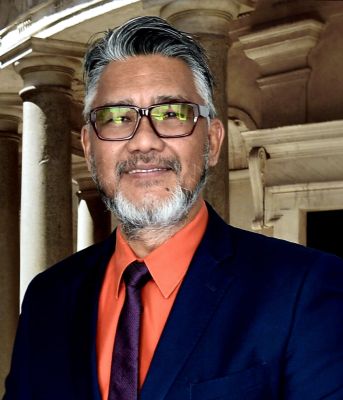



Qatar’s businesses and policymakers may face a more automated, more targeted and more persistent wave of cyber threats over the next five years, a top executive at an Indonesia-based cybersecurity firm has said.
“I think there are several trends that organisations in Qatar and across the Gulf should be preparing for. The first is that attacks will become more automated, more targeted and more persistent because of AI,” Patrick Dannacher, president director and CEO of ITSEC Asia, told Gulf Times.
According to Dannacher, artificial intelligence (AI) is lowering the barriers that once separated serious threat actors from opportunistic ones, allowing attacks to run at a scale that was not previously possible.
Critical infrastructure is also drawing more attention as Qatar’s digital footprint expands, he said, with sectors such as energy, transportation, telecommunications, and financial services “becoming increasingly attractive to sophisticated threat actors.”
Visibility is another gap organisations will need to close, Dannacher noted. “You cannot protect what you cannot see, so having a clear understanding of where you are vulnerable will become increasingly important,” he said.
On the talent side, Dannacher said every country in the world is dealing with a shortage of cybersecurity professionals, and Qatar is no exception. He noted that technology will automate a growing number of tasks, but skilled professionals remain the ones making decisions, investigating incidents, and managing risk.
The fifth trend Dannacher identified is a shift away from annual or periodic security assessments toward continuous validation and monitoring. “The threat landscape changes too quickly for organisations to check their security once or twice a year and assume everything is fine,” he pointed out.
Dannacher said the organisations best placed to handle what is coming are not necessarily those that manage to avoid every attack, but those that build the habit of continuous improvement and adapt quickly when something goes wrong.
Behind those five trends lies a broader mindset problem that, according to Dannacher, cuts across industries and geographies. “I think this is less about the Middle East and more about how organisations around the world think about cyber risk,” he said.
He said many organisations only shift their attention to cybersecurity after something goes wrong, citing a breach, a ransomware attack, or a significant incident. “If nothing happens for a couple of years, people become comfortable again and attention moves elsewhere,” Dannacher pointed out.
Dannacher said, “We need to move from a reactive mindset to a proactive one. Organisations should be continuously monitoring their environment, understanding how the threat landscape is changing, and identifying where they are most vulnerable before an incident occurs.”
Citing fire drills as an example, Dannacher said most organisations run them several times a year and staff generally know what to do, where to go, and who is responsible. Cyber exercises rarely get the same treatment: “But how many organisations run cyber drills with the same frequency?” he noted.
“Cyber drills help identify weaknesses, test response capabilities and ensure the right people and processes are in place before something happens,” he emphasised.
Dannacher also cautioned against treating regulatory compliance as the finish line. “Compliance is important, but the threat landscape moves much faster than regulations. The most resilient organisations are the ones that go beyond compliance, continuously improve and prepare for the risks of tomorrow, not just the requirements of today,” he said.
Dannacher explained that building that kind of resilience requires governments, regulators, academia, and industry to work together and share what they know. “The more we share information, learn from each other’s experiences and work together, the stronger and safer the entire ecosystem becomes,” he said.
He added: “The more we share information, learn from each other’s experiences and work together, the stronger and safer the entire ecosystem becomes.”

