



The role of Islamic economics and finance in supporting conflict-affected economies, rebuilding institutions, restoring livelihoods and promoting sustainable peace will be the focus of the 9th International Conference on Islamic Finance and Economy (ICIFE), organised by Hamad Bin Khalifa University (HBKU).
The conference will explore the theme “Islamic Economics Perspectives on Economies of War and Peace: Ethics, Resilience, Reconstruction, and Responsible Security,” examining how Islamic principles and financial frameworks can contribute to humane economic systems amid geopolitical instability, conflict and post-war recovery.
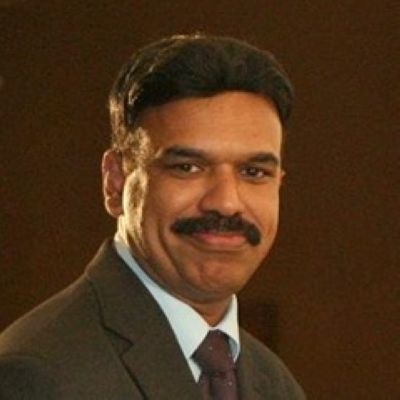
Conference chair, Dr Ahmet Faruk Aysan, professor and associate dean at HBKU’s College of Islamic Studies, said the event would provide a platform for critical reflection on the challenges posed by geopolitical risk, fragile economies, humanitarian needs, damaged infrastructure and post-conflict recovery.
“The conference invites critical reflection on how Islamic economics and finance can respond to the realities of geopolitical risk, fragile economies, humanitarian needs, damaged infrastructure, and post-conflict recovery. It also encourages discussion on the ethical boundaries of finance in relation to public security, strategic industries, emerging technologies, and responsible reconstruction,” he explained.
“The conference themes extend beyond financial instruments to encompass human protection, institutional resilience, ethical investment, public welfare and long-term peace,” he continued.
Dr Aysan expressed confidence that the conference would generate valuable research, constructive dialogue and new avenues for collaboration among academics, practitioners, policymakers, regulators and development institutions, contributing to more responsible, humane and future-oriented economic systems.
Conflict-affected economies often face weakened institutions, damaged infrastructure, restricted access to long-term capital and pressing reconstruction needs. The conference seeks to examine how Islamic finance can help address these challenges by mobilising ethical capital, protecting public welfare, rebuilding productive capacity and supporting economic recovery.
Moving beyond discussions of financial permissibility, ICIFE 2026 aims to explore the practical and ethical contribution of Islamic economics to resilience, human protection, responsible public finance, institutional rebuilding and peace-oriented development.
Conference organisers emphasise that economic discussions surrounding conflict should not normalise destruction or portray war as an engine of economic growth. Instead, the focus will be on the ethical responsibilities of financial systems in protecting human dignity, restoring livelihoods and supporting sustainable peace.
The conference objectives include developing Islamic economic and financial frameworks for peace, resilience, reconstruction and responsible security, while examining how Maqasid Al-Shariah, Adamiyyah and Islamic jurisprudence on war and peace can guide decision-making in conflict-affected environments.
Participants will also explore the impact of geopolitical risks on Muslim-majority economies, Islamic banking, Sukuk markets, capital flows, sovereign financing, international trade, food security, energy markets and monetary stability.
Other areas of discussion will include the role of Islamic social finance, Sukuk, blended finance, capital market instruments and development finance in rebuilding infrastructure, institutions and livelihoods.
The conference will further examine the ethical boundaries of finance in relation to public security, strategic industries, defence sectors, humanitarian protection and post-conflict reconstruction, alongside the implications of emerging technologies such as artificial intelligence, cybersecurity, drones, surveillance, fintech and digital infrastructure for security, warfare and financial ethics.
The agenda also seeks to connect Islamic finance with Conscious Economics, Conscious Futures, foresight, scenario planning, anticipatory governance, social trust, human dignity and resilience, with the aim of advancing policy dialogue on humane and peace-oriented financial systems.

