
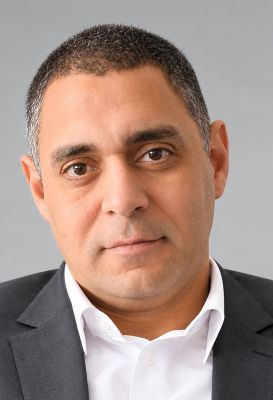



Qatar is continuing mediation between the United States and Iran to bridge differences and establish common ground for a peaceful solution, Ministry of Foreign Affairs spokesperson Dr Majed bin Mohammed al-Ansari said Tuesday, as he called for regional infrastructure to be protected from further attacks.
Speaking at the ministry’s weekly press briefing, al-Ansari, who is also Adviser to the Prime Minister, said Qatar had stressed from the outset the need for a peaceful solution and continued to support Pakistan’s mediation efforts.
He said the past few days had witnessed several meetings and exchanges of messages between the parties, including contacts in New York during the 81st session of the UN General Assembly and others that took place earlier.
Efforts to arrange meetings and facilitate the exchange of messages between the parties were continuing, he said.
Addressing the wider regional escalation, al-Ansari reiterated Qatar’s strong condemnation of the targeting of infrastructure by any party.
He said attacks on infrastructure, energy facilities and vessels served only to harm the interests of people, stressing that the peoples of the region did not deserve to be dragged into the conflict.
Infrastructure and vital facilities must be respected amid any regional escalation, he said, adding that threats against them violated the principles of international law and good-neighbourly relations.
Al-Ansari acknowledged that any agreement would face obstacles, saying the purpose of mediation was precisely to overcome difficulties and narrow differences between the parties. Meetings and diplomatic contacts were continuing, he added.
Asked about the possibility of non-aggression agreements between the Gulf Co-operation Council states and Iran, al-Ansari said the countries of the region had not chosen to become part of the war and had no conflict with Iran.
He said Iran had decided to strike countries in the region as a consequence of the war involving Iran, Israel and the United States.
Al-Ansari urged Iranian officials to distance both their country and the wider region from the conflict, saying the attacks constituted aggression against sovereign states in the region.
He said the GCC states and other countries in the region had long advocated resolving differences through dialogue.
Qatar, he said, sought peaceful coexistence between the region’s countries and Iran and remained engaged in negotiations despite having itself been subjected to an Iranian missile attack.
Doha had not wavered from its position that dialogue represented the only solution to the crisis, he stressed.
Al-Ansari called for a regional security framework founded on coexistence, non-aggression and good-neighbourly relations, saying the first step should be an understanding that regional states would not be targeted in any future escalation.
The immediate focus, he said, was on bridging differences and reaching a peaceful solution that would allow regional countries to resume freedom of navigation through the Strait of Hormuz while addressing their security concerns.
Turning to Gaza and efforts to move to the second phase, al-Ansari said Qatar had been engaged in the issue from the outset.
He referred to a meeting of eight Arab and Islamic countries in New York and more than 12 meetings at ministerial and other levels dealing with Gaza and the Palestinian territories.
Qatar had been directly involved in the negotiations and had witnessed the parties coming close to making progress on several occasions, only for the momentum to be reversed, he said.
Al-Ansari accused the Netanyahu government of repeatedly seeking to undermine ceasefire efforts, saying that escalation on the ground had repeatedly followed progress in negotiations.
He also warned of developments in the West Bank, saying attempts were being made to impose a new reality contrary to the international consensus established since the Oslo Accords.
Such developments could not be ignored, he said.
Al-Ansari welcomed decisions by countries that had imposed sanctions and other measures over settlement activity in the West Bank, calling for intensified international efforts to halt Israeli violations, particularly actions seeking to alter the status quo in the West Bank and East Jerusalem.
He also warned that the humanitarian situation in Gaza continued to deteriorate, with humanitarian challenges mounting daily.
Qatar, he said, had made its position clear at the UN General Assembly in New York through the address of HH the Amir Sheikh Tamim bin Hamad al-Thani and statements by Qatari officials at various meetings, underscoring the centrality of the Palestinian cause.
Al-Ansari said Qatar would continue working with its regional partners and the international community to advance a political solution and support the implementation of US President Donald Trump’s plan for Gaza.
Addressing the economic repercussions of the regional conflict, al-Ansari warned that the consequences extended far beyond energy supplies.
Countries in the region supplied the world not only with energy products but also goods vital to food security, petrochemicals, aluminium and other industries, he said.

