
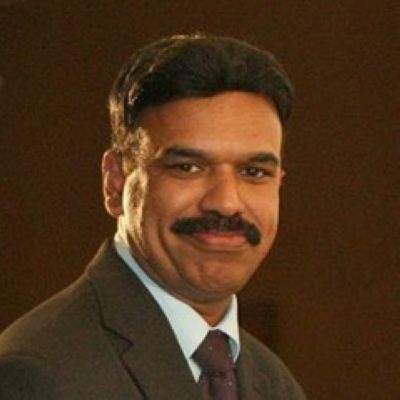



The Museum of Islamic Art (MIA) aims to bring and promote objects relevant to various communities in the country, noted an official of the museum.
“We are a museum which is very traditional. It is a museum with a collection of objects that kick-started as a project well almost nearly 20 years ago in a very traditional way. While conserving the objects, we are also trying to propagate them to the relevant communities.” Nicoletta Fazio, curator of Iranian Lands at MIA, told Gulf Times at a recent event at the Fire Station.
According to Fazio, since the museum reopened in 2022, there has been a rethinking aimed at bringing the museum’s collections to life. MIA has been a trendsetter in Qatar and the region, as it is the first of its kind.
“Historically speaking, covering many of the centuries is extremely diverse. We want to bring something that is also relevant for the communities here. That is why we started showcasing artworks that are from Southeast Asia. It is a very specific direction that we are taking,” she explained.
Fazio said that the Southeast Asian community is very large in Doha and is rarely represented in traditional Islamic art museums.
“So we really tried to think about that this is a museum of Islamic art and it is the first of its kind within the region. But we also wanted to say that it is coming and emerging in a completely different setting than any other such museums around the world,” continued the official.
The curator also highlighted different viewpoints on the museum’s function. “And I think there is always the consideration on one side that we are a museum that is based on objects, so we shouldn’t lose the focus of our existence, which is the preservation and the presentation of these objects and sharing of these objects with our public. But at the same time there is also the need of making them alive and meaningful and understandable as well for our public,” she described.
Fazio said that, at some point, there is a need to start a conversation with other sister institutions and bodies within Qatar Museums in this regard.
“We try to reach out and it is always how you do it meaningfully. Because if you think about many museums now entering this space with new technologies, new media, new traditions, at times, it feels like something that is implanted and without a very full intentional action,” she added.

