
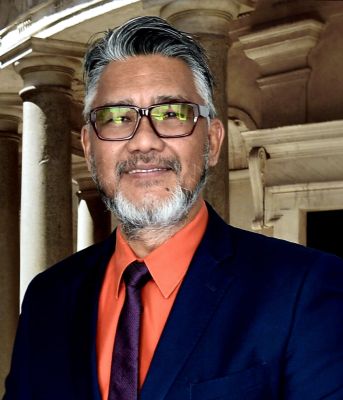



The EU’s ambassador to Qatar, Dr Cristian Tudor, has underscored the importance of resilience in food security, stressing that safe and reliable food supplies are vital to families, businesses, and national stability.
Speaking at the recently held EU Qatar Breakfast Dialogue in Doha, Tudor said the European Union and Qatar share a clear interest in food safety, system resilience, and market access, describing the two sides as natural partners.
He explained that trust is the foundation of trade, and both the EU and Qatar want food that is safe, stable, and predictable. “We both want food that is safe, stable, and predictable, and we both know that trust is what makes trade work,” Tudor reiterated.
The dialogue, convened by the EU Delegation to Qatar, brought together regulators, industry representatives, and food sector stakeholders to strengthen cooperation on sanitary and phytosanitary measures that support secure and sustainable food trade.
Held in a hybrid format, the event combined in person participation in Doha with online interventions from senior officials of the European Commission. The programme featured presentations from experts representing the European Commission’s Directorate General for Health and Food Safety (DG SANTE), Directorate General for Agriculture and Rural Development (DG AGRI), and Directorate General for Trade (DG TRADE), followed by contributions from Qatari authorities and an interactive discussion with businesses and industry stakeholders.
Tudor’s remarks came against the backdrop of growing global attention to food security, resilient supply chains, and sustainable agricultural systems.
In a statement, the EU Delegation to Qatar noted that the EU-Qatar partnership aligns with the Qatar’s National Vision 2030 and the National Food Security Strategy 2030, as well as the EU’s commitment to safe, sustainable, and rules based agri food trade.
“As Qatar advances the objectives of its National Vision 2030 and National Food Security Strategy 2030, and the EU continues to promote safe, sustainable, and rules based agri food trade, the event provided a timely opportunity to deepen cooperation and exchange expertise on food safety, agricultural sustainability, and trade facilitation,” the statement added.
The programme also heard from Jose Iralde, chief strategy officer at Hassad Food, who said Qatar has made substantial strides in self sufficiency but continues to prioritise resilience through sustainability, competitiveness, and diversified trade routes.
“These efforts are guided by sustainability considerations to ensure the efficient use of natural resources, improve competitiveness, and support long term food security. At the same time, Qatar continues to expand international trade partnerships and diversify trade routes to strengthen the resilience of its food system further,” Iralde said.
Qatar Chamber board member Mohamed bin Ahmed al-Obaidli added that food security is about building resilient and sustainable ecosystems and emphasised the EU as a strategic partner in innovation, research, and technology.
“We see the EU not only as a supplier, but as a strategic partner in innovation, research, technology, and sustainable food systems...looking ahead, our ambition is to make Qatar a hub for food security and technology,” he noted.
The discussions also focused on the EU’s ‘Farm to Fork’ approach to food safety, sustainable agricultural systems, and transparent trade frameworks that support food security and market access. Participants also exchanged views on SPS standards and opportunities to strengthen cooperation between regulators and industry stakeholders.
Organised under the EU GCC Economic Diversification II Project funded by the EU, the dialogue underscored the growing importance of EU Qatar cooperation in food security, regulatory excellence, and sustainable economic development.

