
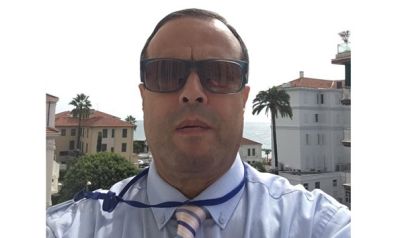



The Qatar Press Centre (QPC) hosted a press conference on Monday to announce details of the awards ceremony for the third edition of the Arab Book Award and to open nominations for the fourth edition.
The conference was attended by Dr Naji al-Sharif, the executive director of the Award, and Yousef Abduljalil, a member of the Executive Committee, among other intellectuals and guests.
The award is an annual platform dedicated to encouraging knowledge production and honouring distinguished individuals in the fields of culture, research, and publishing.
Dr Hanan al-Fayyad, the media adviser for the Arab Book Award, lauded the role of the QPC in supporting the award's mission and enhancing its presence, describing it as a "partner in success" for providing a professional platform that delivers cultural and intellectual initiatives to its audiences.
She also expressed her gratitude to media professionals for their ongoing efforts, emphasising that journalistic work has been, and continues to be, a crucial element in conveying the award's message and solidifying its image in the public eye.
Dr al-Fayyad presented a comprehensive overview of the award, its concept and objectives, emphasising the importance of clear criteria and requirements for those wishing to participate, to ensure equal opportunities, high-quality submissions, and reflecting the professional standards the award strives to establish each year.
She said that the third cycle saw participation exceed 1,000, which she considered a reflection of the growing interest in serious cultural initiatives.
Dr al-Fayyad also noted the need to continuously develop promotional tools and reach the target audience to keep pace with the increasing engagement with the award cycles.
She highlighted the importance of cultural marketing as an integral part of the success of any knowledge-based project.
Dr al-Fayyad pointed out that the award has adopted a media plan to promote its programmes and mission, expand its reach, and strengthen its established presence, thereby supporting its ambition for the Arab cultural scene to contribute more effectively to the global stage.
She noted that the award implemented extensive outreach activities this season in Cairo, Riyadh, and Kuwait, which received a very positive response and demonstrated a strong desire among scholars and intellectuals for initiatives that recognise and celebrate scientific and intellectual endeavours.
On the local level, Dr al-Fayyad said that the award participated in a symposium held in Doha to commemorate "Arabic Language Day" as part of efforts to strengthen its connection with major cultural events and reinforce its intellectual dimension and mission to support language and culture, highlighting their role in shaping awareness.
She emphasised that youth are a central focus of any cultural and intellectual project, describing them as an "oppressed group".
Dr al-Fayyad added that the current era necessitates that cultural institutions and initiatives intensify their efforts to protect them from the "frightening digital disruption" and its accompanying intellectual confusion and fragmented sources of information.
She emphasised that young people "need nothing but encouragement, and their return is easy" when provided with a supportive environment, role models, and sound guidance.
QPC director-general Sadiq Mohammed al-Ammari lauded the Arab Book Award for its intellectual and cultural value, which enhances the presence of research and scholarly production in the Arab world.
He congratulated Dr al-Fayyad on joining the Award team, wishing her success in her media duties, and affirmed that the presence of national talent and specialised expertise adds real value to any cultural project and enhances its capacity for development and sustainability.

