


The FIFA World Cup Qatar 2022’s success as the most accessible tournament ever, a notable feat given the country’s developing infrastructure, was a key insight shared at the Qatar Events Show 2025, highlighting a commitment to lasting accessibility.
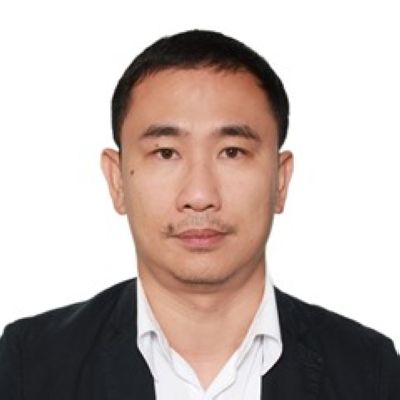
Speaking at the Qatar Events Show’s second day at a talk titled ‘Accessibility in Events Design’, Ahmed Habib, a senior media content specialist at the Supreme Committee for Delivery and Legacy, noted that true accessibility extends far beyond physical infrastructure, demanding a holistic approach rooted in inclusivity and a deep understanding of diverse needs.
“Qatar has done a very good job of building world-class events facilities that are accessible,” Habib said, citing the country’s fortunate starting point with accessible hotels, public spaces, and cultural sites.
He pointed out that the foundation of the FIFA World Cup Qatar 2022’s unparalleled accessibility was the establishment of an Accessibility Forum. Operating under the theme, ‘Nothing about us without us,’ this initiative brought together disabled individuals from the community six years prior to the tournament.
Habib said their direct involvement was instrumental in shaping a tournament that was not only accessible in its execution but also actively contributed to making Qatar more accessible for people with disabilities in the long term.
“We brought disabled people from the community and we said, ‘Listen, we're going to organise a massive tournament in Qatar, and how do you want the tournament to be accessible? But more importantly, is how can this tournament make Qatar more accessible for you after the tournament is over?’” he said. This collaborative approach, he added, ensured the tournament was “delivered to the highest standards,” driven by innovation and a belief that “football is for all”.
Habib underlined key innovations such as the introduction of Audio Descriptive Commentary in the Arabic language, offering blind fans an immersive experience through dedicated commentary accessible via their own devices.
He noted that this groundbreaking facility, previously unavailable to Arabic speakers, has now paved the way for similar accessibility features in cultural spaces, events, and theaters.
“What’s the point if I come to an event that’s physically accessible, but the staff meet me at the door and say, ‘I don’t know if you can come in because you're in a wheelchair’? Then the event is not accessible because staff and volunteers have not been trained,” he added.
Habib stressed the critical need for comprehensive staff and volunteer training, equipping them with the knowledge and cultural understanding to welcome and support individuals with disabilities, whether they are attendees, speakers, or colleagues.
“What are you going to do if someone who is deaf shows up at your event? Someone who is blind? At least have some sort of minimum training, recognition, understanding, and build that culture amongst your staff and team,” he urged event planners.
Habib emphasised the importance of universal design principles in graphic design, citing high colour contrast, appropriate font choices, and clear hierarchy in signage as beneficial for everyone, not just those with specific visual needs.
He illustrated this with an example of signage at Toronto Pearson International Airport, where icons and shapes communicate effectively, allowing non-English or French speakers to navigate with ease.
Habib also discussed the distinction between the medical model and the social model of disability, where the former often views disability as an illness requiring supervision and dependence. In contrast, he said the social model suggests that disability is a societal construct, and it is the responsibility of society to create inclusive environments where everyone is equal and can participate fully.
“Event planners play an important role,” Habib said, reiterating that they have the power to determine whether guests feel ‘disabled or enabled’”. He added that event planners should never view individuals with disabilities as a “loss or abnormality”, nor should they see them as having “restrictions or lack of ability”.
Instead, he said the focus must be on fostering an environment where every individual, regardless of ability, can fulfill their potential and participate without limitation.

Ahmed Habib in an interview at the Gulf Times stand at the event. PICTURES: Thajudheen

Ahmed Habib during the talk, titled ‘Accessibility in Events Design’.

A view of the audience at the session.

