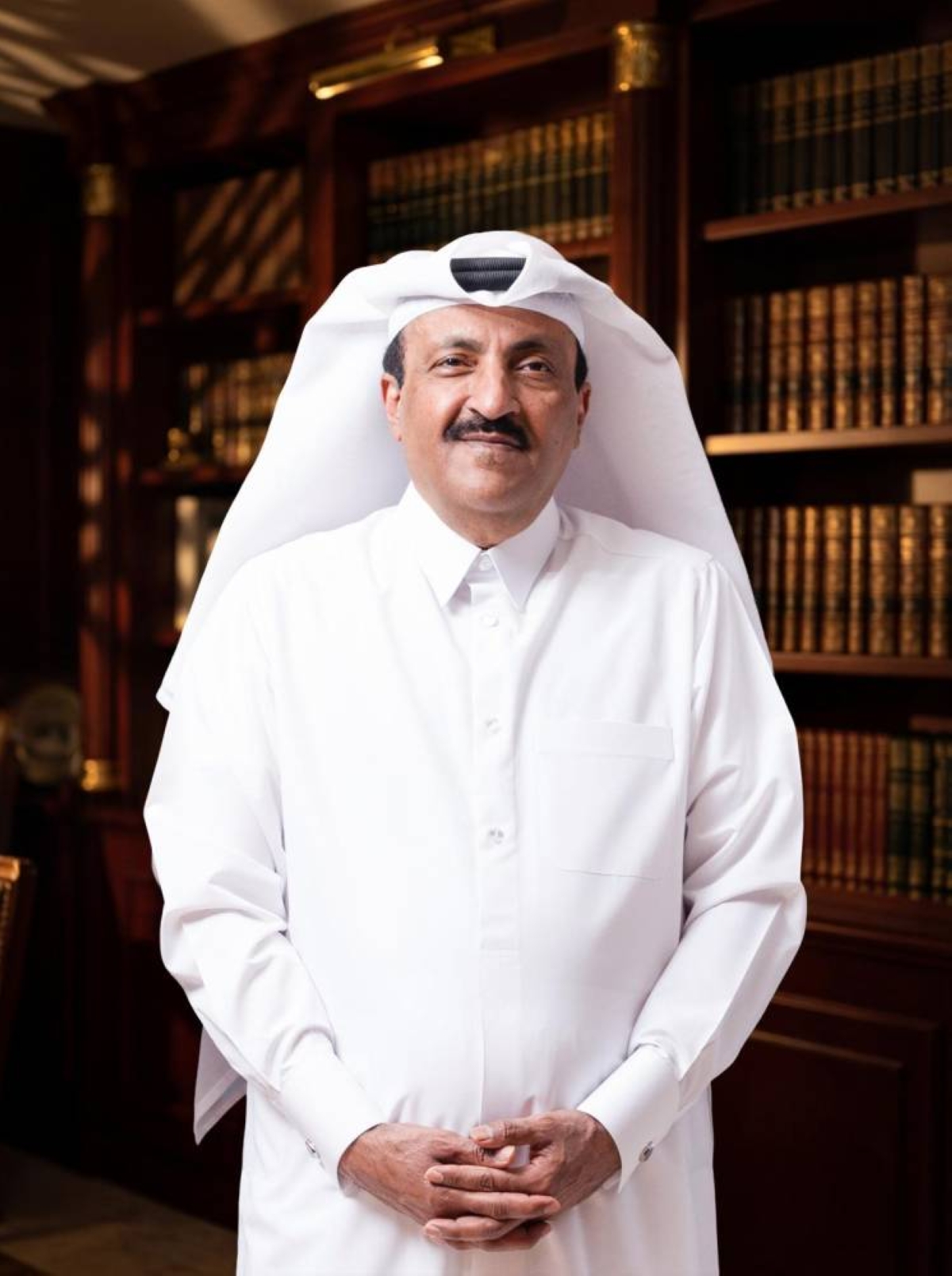
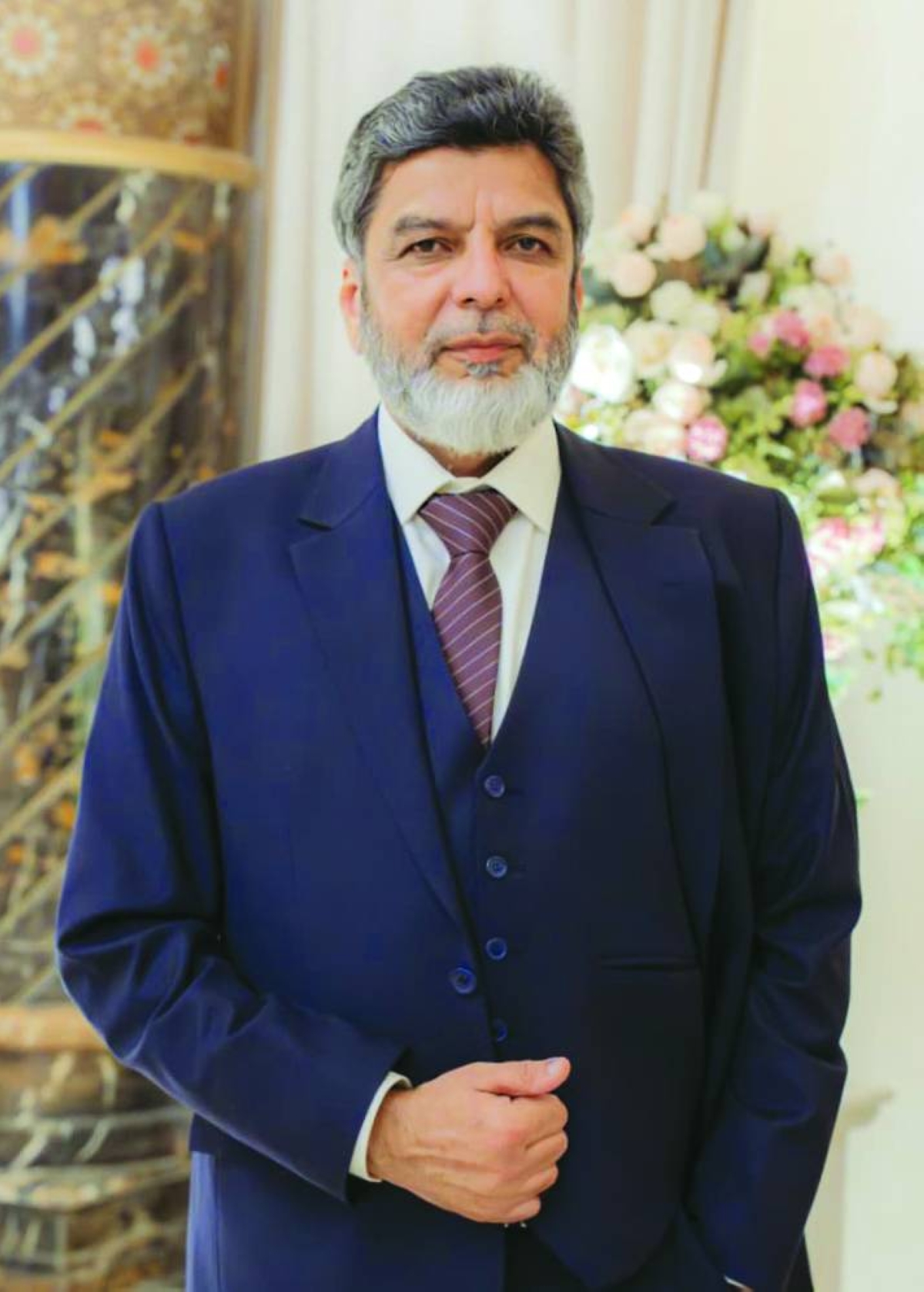
In an increasingly dynamic business environment defined by rapid change and intensifying competition, long-term success is no longer determined by scale alone. Instead, it is anchored in robust governance, strategic adaptability, and clarity of purpose.The Teyseer Group of Companies stands as a notable example of this transformation—an organization that has contributed to Qatar’s national economy for more than five decades, while continuously refining its strategy to remain future-ready.In this exclusive interview with Gulf Times, Khalifa Abdulrahman Al Mannai, Chairman of Teyseer Group, shares his perspective on leadership, succession planning, investment discipline, and the strategic direction guiding the group’s next phase, in alignment with Qatar National Vision 2030. Entering the Business World: Responsibility Before AmbitionKhalifa Al Mannai views his entry into business not as a personal ambition, but as an early responsibility shaped by circumstance.“I did not enter the business world by choice as much as by destiny,” he says. “I grew up learning through observation—understanding how decisions were made, how risks were managed, and how discipline ultimately shaped outcomes.”From his father, Late Mr. Abdulrahman Essa Al Mannai, the group’s founder, he internalized a set of values that would later define his leadership approach: patience as a strategic asset, ambition grounded in realism, and the conviction that meaningful growth rarely emerges from comfort zones. The Founder’s Legacy: Reputation, Risk, and ResponsibilityKhalifa Al Mannai emphasizes that the most enduring lessons he inherited were ethical rather than operational.“My father taught me that reputation takes years to build and can be lost in a moment; that a promise is a binding commitment; and that respect for people is the foundation of any sustainable enterprise.”Risk, he notes, was never discouraged—but always approached with discipline and careful evaluation.“A leader cannot avoid difficult decisions. Avoidance is, in itself, a decision—and often the wrong one.” From Continuity to ImpactKhalifa Al Mannai’s journey within Teyseer Group did not begin in executive offices, but on the ground—across service centres and building materials operations.“I never viewed my role as inheriting a position,” he explains. “I saw it as assuming a responsibility—one built on trust.”His mandate was clear: to preserve the founder’s legacy while repositioning the group to remain relevant and impactful within an increasingly complex economic landscape.“Development without disruption,” he states. “Evolution without compromising our founding values.” Leading at the Right TimeFor Al Mannai, assuming full leadership was a matter of readiness rather than age.“Legacy cannot be managed remotely,” he observes. “It requires presence, accountability, and the willingness to lead from the front—particularly during periods of transition.”He underscores that leadership, at its core, remains human-centric:“People come before numbers. Without trust, performance is only temporary.” A Year of Institutional TransformationReflecting on his first year at the helm, Khalifa Al Mannai highlights that the priority was not expansion, but strengthening the organization’s internal foundations.Key focus areas included enhancing corporate governance, building leadership depth while empowering talent, and embedding a culture of shared accountability supported by informed decision-making.On the commercial front, the group marked a significant milestone through Teyseer Motors, achieving the highest sales volume of Great Wall Motor vehicles in the Middle East. Al Mannai attributes this success to operational discipline rather than short-term market dynamics.The group’s expanded media presence also played a strategic role in elevating brand visibility and supporting growth across multiple sectors.This transformation was further reinforced by the restructuring of Teyseer’s businesses into a holding entity, bringing together a diversified portfolio of companies operating across key economic sectors—strengthening alignment with Qatar National Vision 2030. Decision-Making Under PressureKhalifa Al Mannai describes his leadership style as measured and deliberate, rather than reactive.“I prioritize listening, rigorous analysis, and decisive action at the right moment,” he explains.He believes effective decision-making lies at the intersection of analytical thinking, human impact, and experience.“The difference between courage and recklessness is sound judgment.” Guidance for the Next GenerationAddressing young entrepreneurs, Al Mannai offers a clear and grounded message:“Every enduring legacy is built on responsibility. Growth must be treated as a continuous discipline—not a temporary phase.”He adds that courage is often misunderstood:“It is not about volume, but about clarity and consistency—especially when others hesitate.”Failure, in his view, is an essential component of success:“It forms the very foundation upon which meaningful success is built.”He concludes with a message to his sons and daughter, who are actively involved in the group’s leadership:“Your journey begins now. Carry this responsibility with integrity—for those who will come after you. From this standpoint, I thank my sons and daughter, the generation of the future. Through your efforts, we have been able to connect heritage with the future, transforming Teyseer Group of Companies into a holding company, and thereby linking legacy with the future.” Closing PerspectiveKhalifa Abdulrahman Al Mannai represents a leadership model that is increasingly rare in family-owned enterprises—one that views legacy as responsibility, governance as a strategic imperative, and people as the true measure of value.At Teyseer Group, continuity is not about preserving the past—it is about earning the future.
Business

Friday, April 10, 2026
Saturday, April 11, 2026
Saturday, April 11, 2026
Wednesday, April 08, 2026
Tuesday, April 07, 2026
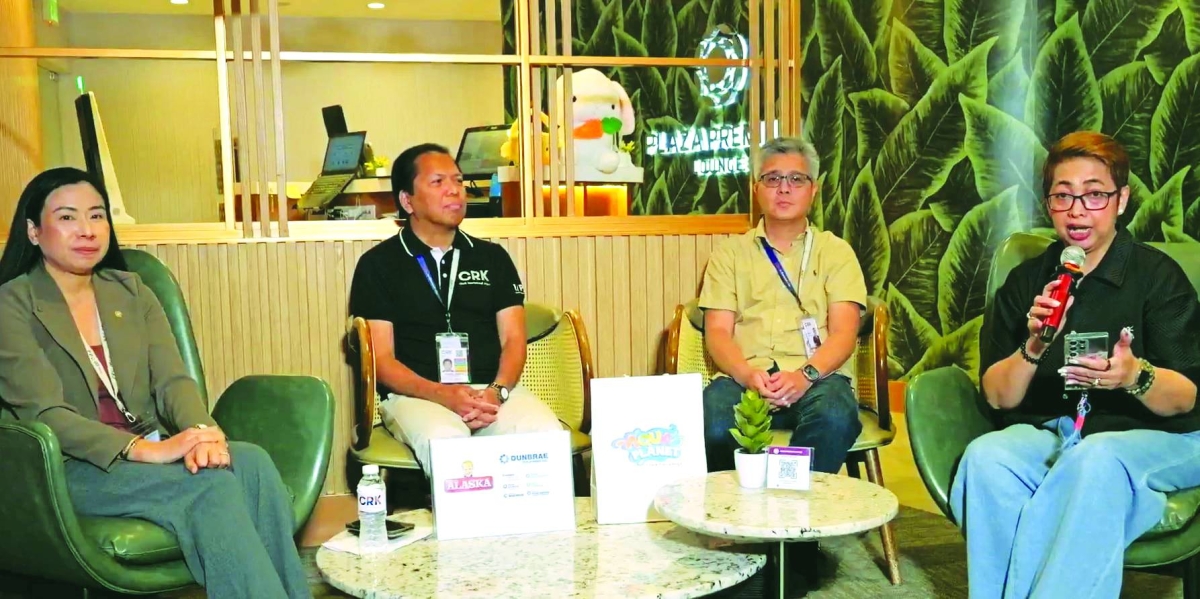
Clark airport in the Philippines records passenger surge despite Mideast conflict
Wednesday, April 08, 2026