tag

Saturday, July 11, 2026 | Daily Newspaper published by GPPC Doha, Qatar.

Tag Results for "UK economy" (183 articles)

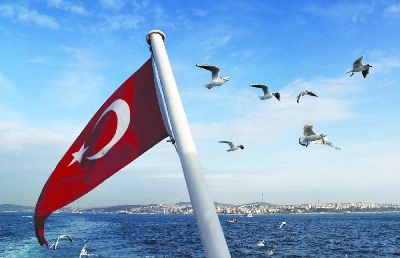
A Turkish flag flies on a passenger ferry with the Bosphorus in the background in Istanbul. Turkey, a major oil and natural gas importer, has faced a surge in energy costs after the Strait of Hormuz was effectively closed. These prices have contributed to annual inflation accelerating for two straight months to 32.6%.
Business

Turkey signals prolonged rates pause with third straight hold

Turkey’s central bank kept its main interest rate unchanged for a third consecutive time since the outbreak of the Iran war, signaling it’s comfortable with the current stance favored by a cooling economy.The Monetary Policy Committee, led by Governor Fatih Karahan, held the one-week repo rate at 37% on Thursday. It also maintained the overnight lending rate — which has been its main funding facility since the conflict began — at 40%.A majority of economists in a Bloomberg survey predicted a hold.By maintaining the status quo, in which the bank uses the higher alternative rate without an outright rate hike, policymakers expressed confidence that economic conditions are tight enough to avoid derailing disinflation efforts and that the effect from the war will be temporary.“First quarter data point to a slowdown in economic activity, and leading indicators suggest a continued weak course in domestic demand,” the MPC said in a statement accompanying the decision. It added that despite headline price increases, seasonally adjusted inflation slightly improved in May.The central bank took steps last month to tighten limits on credit growth. First-quarter gross domestic product data also pointed to a slowdown in the economy.Turkey, a major oil and natural gas importer, has faced a surge in energy costs after the Strait of Hormuz was effectively closed. These prices have contributed to annual inflation accelerating for two straight months to 32.6%.In its statement, the MPC acknowledged “volatile and elevated” energy prices, saying it’s closely monitoring the developments in the Middle East as well as their impact on economic activity, expectations and costs.“We expect the inflation to start to decline in June, potentially opening the door for easing in the third quarter,” said Zumrut Imamoglu, senior Turkey economist at Nomura Holdings. “We think that the bank will continue to be cautious and flexible by keeping the funding rate high as long as necessary.”Most economists see inflation ending the year around 30% — a more pessimistic outlook than the central bank’s forecast of 26%.The decision and accompanying statement suggest that the central bank “is comfortable with the current level of monetary tightness, but is preparing markets for a prolonged pause in the easing cycle,” said Tufan Comert, executive director of global markets strategy at BBVA.The lira was little changed after the decision, trading at 46.16 per US dollar at 2.30pm in Istanbul.A minority group of economists had predicted a hike to offset the impact of the prolonged war in the Middle East and of recent domestic political turbulence, which caused the central bank to spend about $13bn to defend the lira. Citigroup Inc analysts said they were reducing their exposure to the Turkish lira, citing the deterioration in the inflation outlook on the back of higher oil prices.Erkin Isik, the chief economist of QNB Turkey, said the central bank adopted a cautious stance against inflation risks. “Despite the slowdown in economic activity, the bank is refraining from signaling guidance on early easing,” he said. 

Chinese President Xi Jinping sits next to North Korean leader Kim Jong-un as he attends a performance at the Pyongyang Indoor Stadium, during his state visit, in Pyongyang. (Reuters)
International

China's Xi hails deeper understanding at end of North Korea summit

Chinese President Xi Jinping ‌wrapped up Tuesday his first visit to North Korea in seven years, saying it had established ​a deeper, more comprehensive understanding yielding a ‌clearer path for development of ties, the official Xinhua news agency said.North Korean leader Kim Jong-un ‌and Xi agreed to ⁠expand co-operation in the areas of ‌politics, economy and culture at a summit in Pyongyang ‌that opened a new chapter in ties, the North's official KCNA news agency said."The mutual understanding between China and North Korea ⁠has become deeper and more comprehensive, and the direction of future development has become clearer and more defined," Xi told his hosts at a luncheon before his departure, Xinhua added.Kim waved both hands as Xi's plane taxied down the tarmac, in footage from China's state broadcaster CCTV, after an enthusiastic send-off by Pyongyang residents, who lined the road to the airport, waving flags and shouting friendship slogans.Earlier, the leaders jointly planted a fir tree in the grounds of a key political training school for party cadres, which Xinhua said symbolised "ever-renewing friendship".On the second day of his visit to China's only formal ​treaty ally, Xi had also visited Pyongyang's Sino-Korean Friendship Tower that commemorates Chinese soldiers who died in the Korean War, the agency added.Both agreed to strive for closer strategic communication through visits by high-level officials, KCNA said.Kim told Xi he would fully support the "One China principle," which Beijing ‌views as meaning that both sides of the ⁠Taiwan Strait belong to ​one country, regardless of changes in the international situation, it added.China views democratically governed Taiwan as its ​own territory and has never renounced the use of force to bring the island under Beijing's control, although Taipei rejects the sovereignty claims.ANALYSTS SEE CONTRASTING PRIORITIESDespite the expressions of goodwill, however, analysts saw contrasting priorities in the official summaries of the visit.While Xinhua detailed proposals ranging from high-level exchanges to trade and agriculture, along with restoration of transport links, KCNA cast the summit more broadly as a pact of equal partners, the analysts said.Pyongyang stressed regime dignity and the neighbours' "special relationship," added Lim Eul-chul, a professor at Republic of Korea's Kyungnam University, while Beijing emphasised practical state-to-state ties and its initiatives for international order."North Korea removed elements that could make it look like a subordinate, dependent or beneficiary party, and rewrote the relationship as one between equals," said Hong Min, a senior research fellow at the Korea Institute for National Unification."It ‌amplified signals of solidarity, such as anti-US and Taiwan-related ‌messages, while erasing signals of dependence or subordination."China is ⁠North Korea's biggest trade partner and analysts have said Xi's trip could focus on trade and tourism."I feel that sometimes ⁠the two countries may appear quite friendly on the surface, ⁠but in reality there are still many issues," said Zhu, a 43-year-old doctor in Beijing who declined to give her full name.PATRIOTIC SONGSXi and first lady Peng Liyuan attended a performance of Chinese and North Korean songs, accompanied by Kim and his wife, Ri Sol Ju, that highlighted "the value and closeness of DPRK-China friendship," KCNA said.It was referring to the North's official name, the Democratic People's Republic of Korea.Chinese-North Korean relations had reached a "new historical starting point," Xi said at a banquet hosted by Kim for the 65th anniversary ​of the neighbours' friendship treaty, KCNA added.Xi vowed that Beijing would not swerve from its commitment to safeguard common interests, Xinhua said on Monday.But North Korean media did not say if Pyongyang's nuclear weapons programme or relations with the US figured in the talks.Such an absence suggests Beijing would like the visit cast in terms of neighbourly ties, said Ja Ian Chong, a political science professor at the National University of Singapore.During his first term, US President Donald Trump met Kim three times, before the unprecedented diplomatic effort broke down over US demands for North Korea to give up nuclear weapons. Trump has said he would be willing to restart talks."It is doubtful that Xi will serve as a catalyst for US-North Korea talks," however, ‌said Leif-Eric Easley, professor of international ​studies at Ewha Womans University in Seoul. 

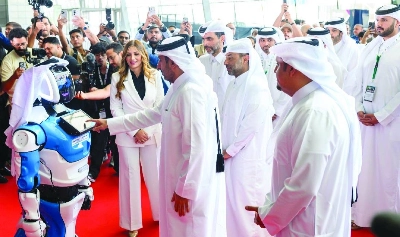
The Minister of Commerce and Industry His Excellency Sheikh Faisal bin Thani bin Faisal al-Thani leading the inauguration of this year's edition of Project Qatar, which will run until June 11 at the Doha Exhibition and Convention Centre (DECC). PICTURE: Shaji Kayamkulam.
Qatar

Project Qatar 2026 opens its doors

The 2026 edition of Project Qatar kicked off Tuesday at the Doha Exhibition and Convention Centre (DECC), underscoring the strength of Qatar's economy amidst regional challenges, with the construction sector emerging as a crucial player in driving economic progress.Running until June 11 under the theme ‘Manufacture, Build, Innovate’, the exhibition was inaugurated by the Minister of Commerce and Industry His Excellency Sheikh Faisal bin Thani bin Faisal al-Thani, in the presence of engineer Mohammed bin Abdulaziz al-Meer, president of the Public Works Authority (Ashghal), alongside a number of senior officials, ambassadors, and representatives of diplomatic missions.Hayat Bayan, Commercial & Operations director at IFP Qatar, said the event reflects the ongoing transformation of Qatar’s construction, manufacturing, and infrastructure sectors. It also aims to strengthen integration between industry, technology, and smart building solutions, supporting sustainable development goals and the objectives of Qatar National Vision 2030.Bayan said, “The launch of this year’s edition of Project Qatar amid ongoing regional developments reflects the resilience of the Qatari economy and its ability to navigate challenges, while reaffirming the pivotal role of the construction sector as a key driver of economic development in the country.”According to Bayan, the participation of 25 international companies “stands as a testament to global confidence” in the growth potential of Qatar's construction market, underscoring the conviction among international players that the sector “offers genuine and sustainable opportunities.”She said, “This international presence also highlights the expanding scope of economic partnerships and Qatar’s success in strengthening its position as a regional hub for investment.”Bayan explained that the exhibition has evolved into a comprehensive professional platform that brings together the public and private sectors under one roof, enabling contractors, suppliers, developers, and investors to explore new collaboration opportunities and discover the latest products, machinery, smart building solutions, and advanced industrial technologies.She said, “This year’s edition features a dedicated B2B Matchmaking Platform, offering targeted business meetings between buyers, suppliers, contractors, developers, government entities, and international investors, with the aim of transforming professional networking into tangible business opportunities and long-term strategic alliances.“The exhibition’s role extends beyond showcasing products and services. It serves as a practical platform for accelerating partnerships and business expansion by connecting companies directly with decision-makers and future projects, creating new opportunities for partnerships and investments.”Bayan said this year’s edition brings together 145 exhibitors, including 120 local companies and 25 international firms representing a broad range of sectors related to construction, building materials, industrial technologies, energy, engineering services, smart city solutions, and sustainable infrastructure.“This strong turnout underscores growing confidence in the Qatari market and its continued appeal for high-value investments and partnerships,” Bayan pointed out.Bayan noted that the exhibition will host the Excellence in Industry & Innovation Awards, organised in collaboration with the Gulf Organisation for Research and Development (GORD), to recognise pioneering initiatives, projects, and companies in the construction sector.In addition, the event will feature a dedicated Startup Stage, aimed at supporting entrepreneurs and small and medium-sized enterprises (SMEs) by providing them with a platform to showcase their innovative solutions to investors, major corporations, and key industry stakeholders.Engineer Khalid al-Najjar, Technical Office director at Ashghal, said: “Ashghal’s participation as Strategic Partner reflects its leading role in shaping the development landscape and advancing infrastructure projects.”Abdulaziz Ibrahim al-Tamimi, CEO of Qatar Primary Materials Company, said: “Participating in the event as Diamond Sponsor provides an ideal opportunity to highlight the company’s solutions, services, and products.”Ali Bu Sherbak al-Mansouri, acting general manager of Qatar Chamber, said: “The chamber’s participation as Business Community Partner reflects our strategic commitment to empowering the Qatari private sector and expanding its contribution to major economic events.”Project Qatar 2026 is supported by the Ministry of Commerce and Industry (the Government Partner), Ministry of Communications and Information Technology (Government Partner), Qatar General Electricity and Water Corporation (Kahramaa) as Sustainability Partner, Qatar Development Bank (QDB) as Development Partner, Al Sraiya Holding Group (Platinum Sponsor), Suhail Industrial Holding Group (Industrial Sponsor), DHL (Logistics Partner), BNI Qatar (Business Networking Partner), and Saur Qatar (Silver Sponsor). 

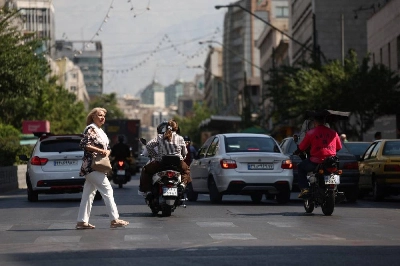
An Iranian woman walks on a street in Tehran on Monday. Despite the mounting pressure, Iran’s economy hasn’t reached the point of collapse, when there’s a complete breakdown in activity. The state has a high tolerance for economic pain thanks to decades of experience withstanding war and tough international sanctions.
Business

Why Trump’s war hasn’t broken Iran’s economy

Iran’s economy was already under strain before the US and Israel launched their war on the Islamic Republic. It was grappling with negative growth, soaring inflation and a currency crisis. Those problems have been compounded by strikes on the country’s civilian and industrial infrastructure and the US naval blockade of Iranian ports.Despite the mounting pressure, Iran’s economy hasn’t reached the point of collapse, when there’s a complete breakdown in activity. The state has a high tolerance for economic pain thanks to decades of experience withstanding war and tough international sanctions.As a peace deal with the US remains elusive and hostilities with Israel escalate, Iran is testing the endurance of the rest of the global economy with its closure of the Strait of Hormuz, which has roiled the supply of energy and other key commodities. What were economic conditions in Iran like before the war?Iranians have for years contended with high inflation, which has made food staples such as eggs, potatoes, rice and meat increasingly unaffordable. People have changed their consumption habits, in some cases replacing red meat and chicken with cheaper alternatives such as soybean meal.The price increases have been driven by a dramatic decline in Iran’s export revenues and foreign currency inflows since the first Trump administration reimposed tough US sanctions. A tight supply of dollars has eroded the value of the rial and made imports more expensive.The Iranian government has sometimes exacerbated the problem by trying to forcibly control prices. It’s also been accused of mismanaging the allocation of foreign currency to importers for purchases and presiding over a multi-tiered exchange-rate system that’s prone to profiteering and inefficiency.The rial’s major crash in December triggered mass protests, which were met with a deadly state crackdown that killed thousands of people. The government has tried to make changes to address the cost-of-living concerns, including replacing the head of the central bank, raising wages for state employees and paying cash subsidies and salaries earlier than scheduled. But stretched state finances have limited the relief it can provide.Iran’s gross domestic product shrank by 1.5% in 2025, according to the International Monetary Fund, weighed down by the ongoing impact of sanctions and disruption from the 12-day war that Israel launched in June last year. How has the war made things worse?The US and Israeli bombardments have damaged infrastructure across the country — from civilian sites such as residential buildings, hospitals and schools, to industrial facilities including gas fields, fuel depots and steelmaking plants. The destruction is by far the most intense in Iran’s history and thousands of Iranians have been killed.Six weeks of strikes prior to the ceasefire agreed to in April caused around $270bn worth of economic damage, according to the Iranian government. That’s almost as high as Iran’s expected GDP this year, which the IMF estimates will amount to $300bn.The attacks forced thousands of businesses to close and many haven’t reopened. Daily life mostly ground to a halt during the fighting, resulting in a sharp decline in economic activity. The IMF forecasts GDP will fall by a further 6.1% this year, the biggest contraction in decades.The rial has come under continued pressure, fueling inflation. The currency hit a record low in May, while year-on-year inflation reached 77%, according to Iran’s central bank. More households have turned to credit in the absence of cash and there’s been a boom in installment plans to pay for essential goods and services such as taxi rides and books.The war has sparked an unemployment crisis. At least a million jobs are estimated to have been lost since the conflict began, the pro-reform Etemad newspaper reported in May, citing an interview with the deputy minister of labor and social welfare, Gholamhossein Mohammadi. There’s been a surge in the number of Iranians seeking unemployment insurance, according to the country’s leading financial newspaper, Donya-e Eqtesad.As the war makes Iranians poorer, the UN Development Programme estimates that up to 4.1mn more people could drop below the international poverty line. That’s equivalent to almost 5% of the population. What’s been the impact of the US blockade?The US navy has been blockading ships heading to or from southern Iranian ports since mid-April, in an effort to apply economic pressure on Iran to reopen the Strait of Hormuz. This has effectively severed the Islamic Republic’s exports out of the Arabian Gulf, depriving it of revenue from the sale of oil, petrochemicals and industrial products such as steel.The US maneuver is testing Iran’s ability to keep pumping oil as storage on land and on tankers at sea nears full capacity. The country’s crude output fell to a five-year low in May, according to a Bloomberg survey.The decline in Iran’s overall exports has further squeezed its foreign-exchange revenue, which is crucial to be able to import goods. Capital Economics said at the end of April that Iran’s accessible foreign currency reserves — those not cut off due to sanctions — were equivalent to no more than three months’ worth of pre-war imports.As the blockade chokes off inbound shipments as well, grain imports have slumped and manufacturers have reported shortages of some materials, including for products needed to make fresh food packaging. Are the economic problems from the war just due to external factors?Iran’s business activity has also been hampered by the state’s internet blackout. Restrictions were imposed after the war broke out and came just weeks after an earlier web shutdown in response to the mass protests.For the first three months of this conflict, most Iranians only had access to domestically hosted and state-run websites, as well as a few apps, marking the longest nationwide blackout in history. Industry officials warned that this was causing Iranian businesses to lose between $30mn to $40mn a day.Connectivity was largely restored in late May, according to monitoring group NetBlocks, although it said that services were still being heavily filtered. Why hasn’t Iran’s economy collapsed?Iran has decades of experience parrying the impact of trade embargoes, economic isolation and war. It’s adopted various methods to circumvent Western sanctions, including layers of shell companies to obscure business transactions and so-called dark fleets of tankers to export its oil.The country has endured extended periods of low crude exports before, including during President Donald Trump’s first term in office, when he pulled the US out of the international nuclear deal with Iran and reimposed harsh sanctions.There is added pressure this time around as the blockade is physically hindering Iran’s ability to send crude to buyers, most of whom are normally in China. But the effect will take time to filter down through the economy. Iran accelerated its oil shipments ahead of the war and earned bumper revenues prior to the blockade due to the jump in oil prices. This should provide a buffer.The government has implemented protectionist measures to secure the domestic supply of goods. It’s banned the export of many essential items, including all food and agricultural products, as well as some petrochemicals and steel slabs and sheets. The central bank has also said it’s prioritizing the allocation of foreign exchange reserves for the procurement of essential items.The country has boosted the use of trade routes that don’t rely on the Strait of Hormuz. It’s sent more goods by rail to neighbors such as Pakistan and Afghanistan, while the number of cargo trains going from Xi’an in central China to Tehran has increased. Iran is also leaning more on its northern ports along the Caspian Sea, which have traditionally facilitated trade with Russia.Iran has had an official policy of “economic resistance” since 2013. This was a doctrine of former Supreme Leader Ayatollah Ali Khamenei, who was killed by Israel in the opening salvo of the war. He wanted Iran to strengthen its domestic production capacity and reduce its reliance on imports to guard against further isolation from the West. There was some progress toward this goal during Trump’s first term, when the disappearance of foreign goods and brands opened the market for Iranian manufacturers. What challenges will Iran face in recovering from the war?Reconstruction will be an expensive and years-long process. One of Iran’s demands in peace talks with the US is reparations for the damage and financial cost of the war. It’s highly unlikely that the US will agree to directly pay compensation.A draft agreement included a post-war international investment fund that the US would help facilitate, according to the New York Times, which cited people briefed on the matter. An Iranian official and one diplomat told the newspaper that the fund could be around $300bn.Iran is also pushing for sanctions relief, which would ease its economic isolation and boost its recovery efforts. Being able to trade more freely with the rest of the world would allow Iran to reduce its dependence on regional partners. Is the economic pain a threat to Iran’s government?The possibility of further civil unrest over economic grievances is very high, according to an assessment by Bloomberg Economics. However, it estimates that the risk of regime instability is only moderate as the Islamic Revolutionary Guard Corps has tightened its grip on power. The war has galvanized public opposition to the US and Israel because of the scale of their bombing campaign, which could overshadow some of the domestic resentment. 

Shoppers make their way at a shopping district in Tokyo. Real gross domestic product expanded at an annualised pace of 1.8% in the first quarter, down from an initial reading of 2.1%, the Cabinet Office reported on Monday. Business investment was downgraded to minus 0.7% quarter on quarter from 0.3% growth previously.
Business

Japan’s growth holds up despite drop in business investment

Japan’s economy grew at a still solid pace at the start of the year even after the turbulence in Iran prompted businesses to cut investment.Real gross domestic product expanded at an annualised pace of 1.8% in the first quarter, down from an initial reading of 2.1%, the Cabinet Office reported on Monday. Business investment was downgraded to minus 0.7% quarter on quarter from 0.3% growth previously.Economists were predicting a markdown to GDP after a report last week showed Japan’s biggest companies reduced capital spending in the January-March period. The conflict in Iran began to escalate toward the end of that period, with oil prices spiking in early March.The revised rate still points to a largely resilient economy supported by solid consumer spending and trade, with demand for artificial intelligence-related products providing a key boost for exports. Monday’s report showed that figures for private demand and exports were left unchanged, with consumption rising 0.3% from the previous quarter. Net exports added to growth.Overall, the report should keep the Bank of Japan on track to raise interest rates next week, as policymakers have expressed a desire to continue to normalize policy so long as growth stays intact. It remains to be seen how business investment fared deeper into the Iran war, which could still weigh on growth.“The impact of the Middle East situation didn’t materialize in the first quarter, but it is likely to become apparent going forward,” said Shinichiro Kobayashi, chief economist at Mitsubishi UFJ Research and Consulting. “Given the recent remarks from the BOJ, it appears it is focusing more on curbing inflation, so I expect it to raise interest rates this month.”“Japan’s smaller-than-expected downward revision to first-quarter GDP left the economy still growing at a pace of above its potential. That means it won’t knock the Bank of Japan off course to deliver a widely expected rate hike at its June 15-16 meeting,” saysTaro Kimura, economist, Bloomberg Economics.Private residential investment was revised higher to 0.9% growth, while public investment also was upgraded a tad.The GDP report is the last major economic indicator before the BOJ’s meeting that ends June 16. Officials are set to consider a rate hike at that gathering and see the possibility of a further increase later this year, Bloomberg reported on Thursday. Governor Kazuo Ueda also signaled a good chance of raising rates this month as his remarks in a speech last week expressed greater concern about inflation than economic activity.Another report on Monday showed that Japan’s current account surplus narrowed in April.Separate data out Friday showed Japanese workers’ real wages increased for a fourth straight month in April, but household spending still fell for a fifth month as consumers contending with inflation cut back on discretionary outlays. Concerns about domestic demand prompted Prime Minister Sanae Takaichi to compile a supplementary budget plan to fund subsidies meant to cushion households from rising energy costs.A weak yen continues to inflate import costs for resource-poor Japan, which relies heavily on the Middle East for energy. Japan used a record amount of foreign reserve assets over the past month to prop up the yen after it weakened past the 160-per-dollar threshold. The yen strengthened to around 155 but has since surrendered that gain. It traded around 160.33 per dollar in Tokyo on Monday morning. 

Gulf Times
Business

US Fed changes leadership amid challenging context: QNB

The appointment of Kevin Warsh as chair of the Federal Reserve comes at a particularly challenging time for monetary policy.At the beginning of the year, the US economy was on a path of steady growth and moderating inflation, with expectations building around a gradual easing cycle of policy rates.However, this trajectory was abruptly disrupted by a sharp escalation in geopolitical tensions, QNB stated in its latest economic commentary.Following the US-Israeli military campaign against Iran, launched on February 28, Tehran retaliated by effectively closing the Strait of Hormuz – the waterway through which approximately 20% of the world’s oil and liquefied natural gas (LNG) normally flows. The resulting surge in energy prices pushed US inflation close to 4%, nearly double the 2% target of monetary policy, triggering a reassessment of the outlook.In this context, the policy environment has shifted markedly, with inflation pressures re-emerging, market expectations undergoing a sharp repricing, and key debates intensifying around the appropriate policy framework, stated QNB, which discusses the main challenges confronting the Federal Reserve under Warsh’s leadership.“First, the outlook for policy rates has shifted significantly since the beginning of the year, reflecting a reassessment of inflation dynamics. At that time, moderating price pressures had led markets to anticipate a gradual easing cycle by the Federal Reserve, even as Chair Jerome Powell faced increasing political pressure from Donald Trump to lower interest rates more aggressively.“However, the surge in energy prices has altered this trajectory, reinforcing upside risks to inflation at a time when underlying price pressures were already proving persistent. Furthermore, consensus forecasts for inflation for this year have increased significantly, from 2.6% in February before the conflict to around 3.3% in recent estimates, signalling a renewed phase of price pressures,” QNB stated.As inflation has moved further away from target, markets have repriced the policy path accordingly, shifting from anticipating rate cuts to pricing a prolonged period of restrictive policy, with a high probability now assigned to tightening. In this context, a move towards rate increases could once again face political resistance, adding complexity to the policy outlook, QNB stated.“Second, artificial intelligence (AI) introduces a new layer of complexity to the macroeconomic outlook under the new leadership. Warsh has emphasised that technological advances could exert downward pressure on prices by boosting productivity and lowering unit labour costs.“In principle, stronger productivity growth could allow the economy to expand without generating inflationary pressures, allowing for lower policy interest rates. At the same time, the impact of these technologies on employment remains uncertain, as automation may both displace certain jobs and create new sources of labour demand,” QNB stated.QNB also stated, “Thus, a key challenge lies in assessing the magnitude and timing of these effects. Moreover, there is no clear consensus within the Federal Reserve on the extent to which AI-driven productivity gains will translate into sustained disinflation, with some policymakers already expressing skepticism about the near-term impact of these forces. As a result, the uncertain and potentially uneven consequences of technological change add further difficulty to the calibration of monetary policy.”According to QNB’s third point, the size and role of the Federal Reserve’s balance sheet represent another key challenge under the leadership of Kevin Warsh. The Fed’s balance sheet expanded significantly over the past decade as a result of large-scale asset purchases implemented in response to the Global Financial Crisis and the Covid-19 pandemic, with holdings concentrated in US Treasuries and mortgage-backed securities. Warsh has previously argued in favour of a faster reduction of the balance sheet, highlighting concerns that its elevated size distorts financial markets and encourages excessive risk-taking, QNB stated.“However, such an approach faces resistance within the Federal Reserve. Concerns over market stability remain central, as a faster pace of balance sheet reduction could lead to volatility in bond markets and disruptions in funding conditions. Additionally, the financial system has adapted, raising the risk that a rapid withdrawal of liquidity could impair market functioning.“As a result, while balance sheet normalisation remains ongoing, the pace and extent of further reductions are likely to remain subject to debate and differing views within the Federal Reserve,” QNB stated.QNB added: “All in all, the outlook for US monetary policy has become more complex, as the new leadership faces renewed inflationary pressures, evolving structural forces, and debates around the appropriate policy framework.“Reflecting these dynamics, market expectations for policy rates have shifted towards a scenario of prolonged restrictiveness, with a likely tightening of 25 basis points by the end of the year, which would raise the benchmark policy rate to 4.00%.” 

Michael Barr, governor of the US Federal Reserve.
Business

Fed official warns of risks tied to looser Wall Street bank rules

Federal Reserve Governor Michael Barr criticised moves from regulators over the past year to relax the rules for US lenders, saying the proposals “considerably weaken bank regulation and supervision.”“I believe that recent steps by the Federal Reserve and other agencies will undermine the safety and soundness of banks and increase financial stability risks,” Barr said in prepared remarks on Saturday. “Vulnerabilities that result from deregulation may not be apparent today, but they will result in problems that will build over the coming years and could threaten serious harm to the economy.”Trump-era officials have made changes to loosen the rules for Wall Street lenders, including relaxing how much capital big banks must hold as a buffer against potential losses, narrowing the scope of supervision and laying out a path for traditional lenders to better compete with private-credit giants.That has resulted in a series of wins for the banking industry under Fed Vice-Chair for Supervision Michelle Bowman, who took over the role a year ago. She was nominated to be the Fed’s top bank cop after Barr resigned from that role in a bid to bypass a potential battle with President Donald Trump over the position.Barr warned that weaker capital rules, liquidity requirements and oversight can increase risks of bank stress.“Achieving appropriate bank regulation and supervision is a balancing act,” he said. “Banks need room to grow so that their lending can support innovation and aspiration throughout the economy. At the same time, long experience has shown that without proper safeguards, banks striving to innovate in pursuit of higher profits may take excessive risks.”Barr added that when banks get in trouble, their downfall threatens businesses and households and could put the economy at risk. He advised banking watchdogs to take steps to mitigate vulnerabilities.“With solid capital and stable funding sources, both individual banks and the banking system as a whole can absorb a wide range of shocks, such as unexpected losses, while still continuing to lend,” Barr said. 

Gulf Times
Qatar

Qatar draws record wave of foreign investors

Qatar's economy continues to reinforce its standing among the world's most competitive and investment-friendly markets, supported by strong economic fundamentals, ambitious reform programs, and a rapidly evolving business environment that is attracting growing levels of domestic and international investment.Recent data indicate that the country's efforts to diversify its economy and encourage private-sector growth are yielding tangible results. During the first quarter of this year, approximately 3,295 new companies were established with full foreign ownership across a wide range of economic sectors. The figure represents a remarkable 66% increase compared to the corresponding period last year, highlighting the growing confidence of international investors in Qatar's economic prospects and regulatory framework.The sharp rise in fully foreign-owned businesses reflects the success of Qatar's long-term strategy to position itself as a regional and global destination for investment. The growth has been driven by a series of structural reforms and legislative measures introduced by the government to enhance competitiveness, simplify market entry, and create a more attractive business climate for investors.Among the most significant reforms has been the modernization of investment regulations and the expansion of digital government services. Authorities have streamlined procedures for establishing businesses, obtaining licenses, and accessing government services through advanced digital platforms, significantly reducing administrative burdens and accelerating the process of launching new commercial ventures.The development of the Single Window platform has also played a crucial role in improving the investment ecosystem. The integrated system provides investors with access to a comprehensive range of government services through a unified digital portal, enabling faster approvals, greater transparency, and more efficient interactions with regulatory authorities.Qatar's appeal to investors is further strengthened by its world-class infrastructure and logistics network. Over the past decade, the country has invested heavily in transport, ports, airports, industrial zones, telecommunications, and smart infrastructure projects. These investments have enhanced connectivity and operational efficiency while supporting the country's broader economic diversification agenda under the Qatar National Vision 2030.In addition to its advanced infrastructure, Qatar continues to benefit from strong macroeconomic stability, prudent fiscal management, and a resilient financial sector. The country's substantial natural gas revenues, coupled with ongoing expansion of liquefied natural gas (LNG) production capacity, have provided a solid foundation for sustainable economic growth and long-term investment confidence.At the international level, the Qatar Investment Authority (QIA) continues to strengthen its role as one of the world's leading sovereign wealth funds and a key driver of global investment activity. With assets exceeding $600bn, the QIA ranks among the largest sovereign wealth funds globally and is widely recognised for its long-term investment strategy and diversified portfolio.According to the international sovereign wealth fund rankings, the QIA remains among the world's top sovereign investors, leveraging its financial strength to pursue opportunities across multiple sectors and geographies. The fund has expanded its presence in strategic industries including healthcare, technology, artificial intelligence, logistics, retail, infrastructure, renewable energy, and premium real estate.The authority's portfolio spans major international markets across North America, Europe, Asia, and the Middle East, reflecting Qatar's commitment to generating sustainable returns while supporting innovation and future-oriented industries. Recent investments have increasingly focused on emerging technologies, digital transformation, clean energy solutions, and high-growth sectors that are expected to shape the global economy in the coming.The continued influx of foreign-owned companies and the expanding global footprint of the Qatar Investment Authority as clear indicators of Qatar's growing influence in international business and finance. These developments underscore the country's ability to combine strong domestic economic performance with an increasingly prominent role in global investment markets. 

Gulf Times
Business

National Economy strength stems from effective public-private partnership, says QC Chairman

Chairman of the Qatar Chamber (QC), HE Sheikh Khalifa bin Jassim bin Mohammed Al-Thani stated that under its wise leadership, the State of Qatar has successfully addressed various global challenges with high efficiency, safeguarding economic stability and ensuring the uninterrupted continuation of essential services. These decisive efforts have further strengthened investor confidence and enhanced Qatar's prominent position on the global economic stage.This came during the Chamber's second General Assembly Meeting (GAM), held today, Thursday, 4 June 2026, at the Chamber's headquarters. The meeting was attended by Board members, prominent businessmen, Chamber members, and media representatives.Chairing the session, HE Sheikh Khalifa noted that the assembly convened amid a critical regional and international phase marked by rapid changes and increasing economic complexities. He called for a heightened sense of collective responsibility to preserve national economic achievements, emphasising that the true strength of Qatar's economy lies in the effective, deep-rooted partnership between the public and private sectors.He reviewed the comprehensive Board of Directors' report on the Chamber's activities for 2025, highlighting ongoing initiatives to support private enterprises, modernize work mechanisms, and enhance the local business environment in line with the Qatar National Vision 2030.He highlighted the Chamber's swift response during recent developments, noting the concrete, practical steps taken to support the private sector, ensure business continuity, and maintain overall market stability.The Chairman explained that the Chamber's Sectoral Committees convened a series of intensive meetings with government bodies and private sector representatives to tackle pressing issues facing local businesses. Special focus was placed on mitigating the impact of disrupted supply chains, fluctuating goods flow, escalating shipping and operational costs, and storage difficulties through the development of practical, targeted solutions.He added that, in close cooperation with the General Authority of Customs and relevant stakeholders, the Chamber actively worked on deploying alternative transport routes-most notably expanding the utilisation of the International Road Transport (TIR) system. This was complemented by strengthening regional coordination with the Federation of GCC Chambers and participating in emergency sessions addressing regional economic developments.Reviewing the Chamber's 2025 activities, Sheikh Khalifa affirmed the continued implementation of an integrated work programme dedicated to bolstering private sector growth and global competitiveness. A key milestone was the launch of the Chamber's 2025-2030 strategy. This strategic roadmap focuses on strengthening the Chamber's position as an influential global hub for business communication, empowering small and medium-sized enterprises (SMEs), accelerating digital transformation, and ensuring long-term institutional sustainability.He pointed out that the year 2025 witnessed intensive activity, with the Chamber organising more than 250 events and hosting around 96 international trade delegations, in addition to holding numerous business forums and high-level meetings, further strengthening Qatar's presence on the global economic stage.The Assembly approved the Board of Directors' report and the auditor's report for the financial year ending 31 December 2025. It also approved the discharge of the Board members, the estimated budget for the fiscal year 2026, and the appointment of an auditor, along with the determination of their fees. 

Gulf Times
Qatar

Finance Minister meets with President of Swiss Confederation and Head of the Federal Department of Economic Affairs, Education and Research

HE Minister of Finance Ali bin Ahmed Al Kuwari met with the President of the Swiss Confederation and Head of the Federal Department of Economic Affairs, Education and Research (EAER) Guy Parmelin, on the sidelines of the 2026 Ministerial Council Meeting of the Organisation for Economic Co-operation and Development in Paris.During the meeting, they reviewed the cooperative relations between the two countries and explored opportunities for strengthening collaboration in the fields of investment, finance, and economics, in addition to discussing several topics of mutual interest.

powerhouse
Qatar

Qatar stakes claim as digital powerhouse

Qatar has cemented its standing as one of the world's most dynamic digital economies, marrying bold investment with visionary policy to forge a knowledge-driven future. Underpinned by one of the most robust economies in the world, the country is harnessing artificial intelligence, innovation and world-class partnerships to reshape its business landscape and accelerate its leap into the digital age.According to a recent report by Qatar TV, the Qatar Digital Agenda 2030 has earmarked QR40bn in investments for the non-hydrocarbon economy, a push expected to generate some 26,000 jobs and lay the foundations of a resilient economy anchored in knowledge, technology and innovation. This momentum has been reinforced by strategic alliances with global technology heavyweights, among them Microsoft, Google Cloud, Oracle and Scale AI, each aimed at advancing key national sectors and broadening the reach of AI and digital services across the country.The Digital Incubation Center, meanwhile, has thrown its weight behind 521 emerging digital companies, helping them secure financing in excess of QR747mn as part of a wider drive to nurture entrepreneurship and home-grown innovation. Qatar has also drawn start-ups from 78 countries, with these ventures collectively generating revenues of more than QR670mn.Capacity-building has kept pace with capital. The Qatar Digital Academy has rolled out more than 330 specialised training programmes in a single year, benefiting roughly 5,700 employees across 90 entities, delivered in partnership with 17 international technical service providers.Qatar's digital credentials are increasingly recognised on the world stage. The country ranked first in the Arab world for internet adoption, with a 99% penetration rate, according to the Digital 2021: Global Overview Report. Its commitment to digital inclusion for persons with disabilities is equally distinguished, with Qatar consistently topping the DARE Index by G3ict for its implementation of digital accessibility policies and its compliance with the UN Convention on the Rights of Persons with Disabilities.The country has also been a consistent high performer in global and regional rankings for mature government electronic and mobile services, notably in the UN Economic and Social Commission for Western Asia (ESCWA) indices and the UN E-Government Development Index (EGDI). It claimed third place globally with a striking score of 97.3 out of 100, a reflection of the breadth of the infrastructure underpinning its digital services. Qatar likewise ranked third regionally and third globally in the International Telecommunication Union's (ITU) ICT Development Index (IDI), which assessed digital connectivity and infrastructure across 169 countries.On the information security and cybersecurity front, the Ministry of Communications and Information Technology (MCIT) has earned the prestigious ISO/IEC 27001:2022 certification for Information Security Management. The National Cyber Security Agency (NCSA), for its part, has scooped major international honours, including the coveted World Summit on the Information Society (WSIS) Prizes awarded by the ITU.Taken together, these achievements underscore the resilience of Qatar's economy and its capacity to evolve and compete in a fast-shifting global landscape, opening fresh avenues for opportunity and embracing innovative solutions at every turn. 

German Economy Minister Katherina Reiche speaks to reporters in Beijing, yesterday. (Reuters)
International

Germany warns on trade imbalance as economy minister visits China

Germany's economy minister began a visit to China yesterday with Berlin saying it wanted to boost co-operation with a key partner while also warning of worsening trade imbalances.Katherina Reiche arrived in Beijing for the three-day trip, the latest senior German official to head to Berlin's top trading partner as they seek to navigate increasingly complex ties.China — long a reliable market for German exports, from cars to factory machinery — has in recent years become a fierce competitor in many industries, turning the relationship on its head.Reiche, accompanied by a business delegation and German MPs, said that China and Germany "are linked by one of the most significant economic relationships in the world"."In times of global uncertainty, we need dialogue, trust and robust partnerships. I will therefore advocate on the ground for modern co-operation — based on openness, competition and mutual benefit," she said in a statement from her ministry.As well as Beijing, Reiche will visit the southern Chinese city of Guangzhou.She will hold talks with Chinese Vice-Premier He Lifeng and Chinese Commerce Minister Wang Wentao and visit companies.But there are many areas where Beijing and Berlin disagree, from trade practices to human rights, and Reiche will likely broach some of these.The economy ministry noted that in particular there was now a "clear trade imbalance" between the world's number two and number three economies.German exports fell by around 10% in 2025, to roughly 80bn euros ($93bn), while imports from China rose to around 170bn euros, it said.Increasing competition for German businesses in China has been one factor weighing on Europe's top economy, which has stagnated in recent years.Chancellor Friedrich Merz visited China in February, and the widening trade gap was also a key focus.Still, both Berlin and Beijing are keen to strengthen ties at a time of global uncertainty sparked by US President Donald Trump's often erratic policies.