tag

Saturday, February 21, 2026 | Daily Newspaper published by GPPC Doha, Qatar.

Tag Results for "economy" (94 articles)

Gulf Times
Qatar

HH the Amir hopes Web Summit Qatar 2026 will boost regional knowledge economy

His Highness the Amir Sheikh Tamim bin Hamad Al-Thani expressed hope that Web Summit Qatar 2026 will help stimulate the exchange of expertise and boost the knowledge-based economy in the region. In a post on his official account on X, HH the Amir said that during his visit today to the Web Summit Qatar 2026, he was briefed on the advanced initiatives that this leading technological platform in the region is hosting, which will open new paths for innovation, partnerships and entrepreneurship in the digital field, hoping that the summit will contribute to stimulating the exchange of experiences and supporting the knowledge economy in the region. 

Gulf Times
Qatar

Summit powers economic drive: GCO

Web Summit Qatar has become a powerful catalyst for the country’s innovation-driven economy, reinforcing its position as a global platform for technology, entrepreneurship, and digital transformation, His Excellency Sheikh Jassim bin Mansour bin Jabor al-Thani, director of the Government Communications Office (GCO), said at a news conference at the Doha Exhibition and Convention Centre Sunday.  Speaking about the momentum shift, Sheikh Jassim said revenue from previous editions of the Web Summit exceeded QR800mn, including more than QR330mn in spending by individuals who travelled to Qatar to attend the summit. “More than 66,000 hotel nights were booked, with visitors staying an average of six days.  We expect these figures to go up in 2026 and we will continue building on this momentum,” said Sheikh Jassim. “Some of the goals we have set for 2026 event include expanding this conference and making it more comprehensive and more international.  We will host the participation of more than 1,600 startups at the Web Summit Qatar, which will be the largest gathering of startups in a single venue in the region,” he underlined. Sheikh Jassim also highlighted that, before hosting conferences in Doha, an extensive study is conducted to determine how such events can add real value to the country and the private sector. “The report we published last week confirms that this conference is a positive contributor to the economy.  Indicators such as hotel occupancy and visitor spending clearly show the significant benefits for the private sector and the strong activation of tourism facilities. “Since the first edition, we have seen nearly a 90% increase in startups, with an even greater rise in local startups this year. Qatari startups are now competing strongly with international companies, and this conference provides substantial value to the local economy through direct engagement with major global firms.  We remain committed to providing even greater support to Qatari startups,” he said. The GCO director said the summit will feature more than 600 speakers, investors, media figures and key decision-makers from around the world.  According to Sheikh Jassim, the most prominent Qatari speakers at the event include Her Highness Sheikha Moza bint Nasser, Chairperson of Qatar Foundation; His Excellency Sheikh Mohammed bin Abdulrahman bin Jassim al-Thani, the Prime Minister and Minister of Foreign Affairs; Her Excellency Sheikha al-Mayassa bint Hamad bin Khalifa al-Thani, Chairperson of Qatar Museums, and several Qatari ministers.  “We want to see how this conference generates an economic return for the country, local companies, and all participating companies,” Sheikh Jassim added. Addressing the press conference, Web Summit founder and CEO Paddy Cosgrave said the scale of the Doha event has exceeded initial expectations. “This year’s edition is the biggest event we have done so far in Qatar.  We had initially committed to Doha that in the first year we would bring 5,000 people together and by the fifth year the event would reach 12,000. That was the aspiration at the initial stage,” Cosgrave noted. “This year, we will have more than 30,000 attendees from all over the world and there will be a more diverse representation with many countries for the first time here.  There are attendees and startups representing countries such as Palestine, Saudi Arabia, the United States, Pakistan and The Netherlands among others,” he continued. “It is a true global group. We have more startups than ever before. Nearly 85% of the 1,600 startups at the event are from outside Qatar,” he highlighted. According to the Web Summit CEO, this edition of Web Summit Qatar will feature more investors than any previous edition, with an expanded programme of meetups and networking sessions throughout the four-day event.

Gulf Times
Qatar

Qatar backs 'just transition' for workers amid climate, tech shifts

Qatar has reaffirmed its commitment to supporting a just transition for workers by aligning labour policies with environmental sustainability and preparing the workforce for climate and technological shifts.Speaking at the ministerial meeting of the Abu Dhabi Dialogue, His Excellency Minister of Labour Dr Ali bin Smaikh al-Marri, said the country was investing in green skills and modern training systems to ensure workers — particularly migrant workers — are ready to adapt to the demands of a changing global economy.His Excellency said Qatar's approach, guided by the Qatar National Vision 2030, seeks to balance environmental sustainability, economic growth and social justice.Dr al-Marri noted that the Ministry of Labour has integrated the concept of a just transition into labour market policies by upskilling workers, retraining those in traditional sectors, and supporting their gradual move into green jobs and sustainable industries. These efforts, he added, are being carried out in partnership with the private sector and educational and training institutions.Addressing labour mobility, the minister highlighted the importance Qatar places on regulating the movement of workers and skills across the Asia-Gulf Co-operation Council corridor. He said safe and well-managed labour mobility can drive economic and social development when based on transparency, equal opportunity, social protection and respect for human dignity.On the growing platform economy and non-traditional forms of work, Dr al-Marri stressed the need to update legal and regulatory frameworks to keep pace with these changes. He said such frameworks should encourage innovation while safeguarding workers' rights, ensuring decent working conditions and effective social protection systems.His Excellency also underlined the role of diversity and skills development in boosting productivity and competitiveness in regional labour markets, calling for expanded partnerships with the private sector, international organisations and civil society to share expertise and best practice.Dr al-Marri said the Abu Dhabi Dialogue has proven over the years to be an effective platform for co-operation between labour-sending and labour-receiving countries, helping to promote fair and orderly labour mobility based on rights and shared interests.He added that this year's agenda — including climate change, just transition for workers, skills development for a fair shift to a green economy, and digital platform work — addresses issues central to the future of labour markets and requires flexible responses and long-term co-operation.HE the minister expressed Qatar's readiness to continue working with member states and international partners to develop more inclusive and sustainable labour mobility policies, and thanked Oman for its leadership of the Abu Dhabi Dialogue during the current cycle.  

The panel underscored Qatar’s distinctive value proposition, specifically a combination of policy reforms, targeted investment strategies, and entrepreneurial resilience. PICTURE: Shaji Kayamkulam
Business

Qatar’s private sector eyes global expansion as policy reforms unlock new opportunities

Qatar’s private sector is poised to expand globally, leveraging the legacy of the 2022 FIFA World Cup and a series of policy reforms designed to attract investment and diversify the economy, a panel of Qatari public and private sector experts agreed.Khalid Abdulla al-Mana, vice-president of Enterprise Development and executive director of Qatar Exports; Mohammed al-Mulla, head of Asia at Invest Qatar; Hamad Mohammed al-Nasr, director of Trade Development and Investment Promotion at the Ministry of Commerce and Industry (MoCI); and Ashraf Abu Issa, chairman and CEO of Abu Issa Holding; discussed this central message during the ‘Unlock Potential and Accelerate Growth – Opportunities & Challenges’ panel, held recently on the sidelines of the ‘IBPC Annual Connect Event 2026’.Al-Mana highlighted how Qatari companies are increasingly taking their expertise abroad: “In 10 years, we have a world-class metro, airport, stadiums, and roads... with this came a lot of private sector growth. It is important that we take this private sector outside because we have a lot of things to be proud of.”He noted that Qatar Development Bank (QDB) has been financing and supporting companies to enter international markets, citing recent participation in the African Investment Forum as an example of Qatar’s growing footprint.Al-Mana also pointed to India as a priority market, noting that QDB is preparing trade missions to map opportunities between Qatari and Indian firms. “We want to do the research for the Indian market and conduct a trade mission, hopefully this year... this will help a lot in building trade relations,” he added.During the discussion, al-Mulla outlined Invest Qatar’s focus on knowledge-based industries. “In alignment with the Third National Development Strategy, we proactively target sectors such as emerging technologies, logistics, advanced manufacturing, game development, and mobility solutions,” he explained.He stressed that Invest Qatar provides facilitation and aftercare services to ensure companies have a “soft landing” in the country. “We keep a close alignment to these companies to ensure they have a safe journey within Qatar,” al-Mulla said.Addressing regional competition, he stated that competitiveness among Gulf economies “is ultimately beneficial”. “Competition in the region is a benefactor... it creates a wider supply chain, talent gets circulated, and this shows sustainability within the region,” he said.Emphasising Qatar’s regulatory transformation, al-Nasr said: “We are guided by our national development strategy... Qatar has put three main KPIs: to be among the top 10 business environments globally, attract $100bn in FDI, and increase non-hydrocarbon contribution to GDP by 2030.”He revealed that the ministry is implementing more than 188 projects to ease the business journey, alongside sector-specific roundtables to identify and address private sector challenges. “This year alone we have highlighted 128 business challenges from the private sector...we listen, validate, and move back to the private sector on an annual basis,” al-Nasr explained.Abu Issa reflected on the evolution of Qatar’s business ecosystem, saying the country witnessed “a big change” over the last two decades. He noted that challenges such as visas and land allocation have eased, while legislation for family businesses and startups has matured. He also offered advice to entrepreneurs, placing emphasis on patience and grassroots development. 

Gulf Times
Qatar

Doha braces up for a February to remember

Doha is gearing up for a packed February as Qatar prepares to host a line-up of major global events that underline its emergence as a regional and international centre for exhibitions, conferences, and world-class sporting and cultural gatherings.The month’s agenda spans technology, energy, art, agriculture, and sport — together illustrating the diversity and global reach of Qatar’s economy and society.The curtain rises with Web Summit Qatar 2026 (Feb 1-4) at the Doha Exhibition and Convention Center (DECC). Returning after a successful debut, the event will bring together thousands of technology leaders, entrepreneurs, and investors to discuss advances in artificial intelligence, sustainability, and the future digital economy.Close on its heels comes the 21st International Conference & Exhibition on Liquefied Natural Gas (LNG 2026, Feb 2-5), widely regarded as the premier global meeting for the LNG industry. Qatar’s role as the world’s largest LNG exporter gives special prominence to this edition, which is expected to feature discussions on cleaner energy technologies and climate-aligned growth in the energy sector.From Feb 5-7, Doha will host two significant events reflecting Qatar’s growing influence in science and culture. The first Qatar International Reproductive Medicine Conference will gather leading medical researchers and practitioners to explore breakthroughs in fertility and women’s health. Running concurrently, Art Basel Qatar will spotlight contemporary artists from the region and around the world, expanding Doha’s profile as a leading art destination following recent international exhibitions at M7 and Qatar Museums.The action shifts courtside from Feb 8-14 with the Qatar TotalEnergies Open 2026, which brings top WTA players to compete at the Khalifa International Tennis and Squash Complex. The tournament is consistently recognised for attracting some of the game’s biggest names early in the tennis season.The prestigious HH The Amir’s Sword International Equestrian Festival (Feb 11-14) follows, uniting the world’s elite riders at Al Rayyan Racecourse. The event blends high performance and elegance, celebrating Qatar’s enduring equestrian heritage.Environmental and food security priorities take the spotlight next with the 13th Qatar International Agricultural Exhibition (AgriteQ 2026, Feb 12-16). The exhibition will showcase innovations in agricultural technology, sustainable farming, and climate resilience in food production, contributing to the country’s self-sufficiency goals.Tennis returns with the Qatar ExxonMobil Open 2026 (Feb 16-21), one of the ATP Tour’s leading events in the Middle East. Over the years, the Doha tournament has hosted legends such as Roger Federer and Novak Djokovic, strengthening Qatar’s reputation as a top-tier sporting venue.February will also offer lighter cultural moments. The Throwback Food Festival (Feb 17-19) will combine tradition and modernity through cuisine and live entertainment, presenting a family-friendly celebration of local heritage.Closing the month is the prestigious CHI Al Shaqab presented by Longines (Feb 19-21), hosted at the acclaimed Al Shaqab equestrian facility. The championship, combining show jumping, dressage, and para-dressage, continues to attract top riders from around the world to one of Qatar’s most iconic arenas.Together, these events make February one of the most dynamic months on Qatar’s calendar to date. From technology and trade to art, sport, and sustainability, Doha will once again stand at the crossroads of innovation and culture — a global meeting place for ideas, excellence, and exchange.As one event organiser put it, “Each February, Doha tells the world that progress and tradition can thrive side by side — and that Qatar’s story is still being written on every world stage it hosts.” 

His Excellency the Finance Minister Ali bin Ahmed al-Kuwari addressing the Carnegie Mellon University lecture series. 
PICTURE: Shaji Kayamkulam
Business

Qatar has to move to revenue generating economy from spending state: Al-Kuwari

Qatar has to move to a revenue generating economy from a spending state as it has already developed a robust fiscal policy framework, according to His Excellency the Finance Minister Ali bin Ahmed al-Kuwari. “We need to move from a spending economy to revenue generating economy,” the minister told students, faculty and guests at the Carnegie Mellon University Qatar’s Dean’s Lecture series. The minister gave an overview of the role of his ministry in maintaining fiscal sustainability in the country. Highlighting that Qatar has adopted a hybrid model of using hydrocarbons revenues and fiscal instruments as taxes; he said the fiscal policy is really to have a longer view on the revenues and expenditure of the country. In this regard, HE al-Kuwari cited the example of Norway, which took a decision many years back that oil revenues would be channelled to sovereign welfare and doesn’t go to budget. “We are using the oil and gas revenue to build future sustainability, which will come from two sources, fiscal measures and the Qatar Investment Authority (QIA); so it’s very important to have a very strong QIA that has sufficient revenue to support the country, but we’re not saying QIA is going to spend in the fiscal. We are going to be ready to spend in the fiscal, but not to be there, the idea of the fiscal should be a standalone, and revenue should be coming from resources of the country, from taxation, customs, to have a very strong economy,” he said. On the general budget, he said the biggest chunk of revenues comes from oil and gas but the ministry tends to forecast a very conservative price for oil. In this regard, he said although analysts expected oil prices to remain range-bound around $65 a barrel, the ministry’s estimate was $55 to ensure fiscal sustainability and enhance resilience against market fluctuations. Highlighting that the International Monetary Fund (IMF) expects average annual growth of 4% for 2025; he said Qatar’s growth could peak this year at around 6% and then slowdown. “So this expansion is going to drive economy and businesses in the country,” he added. 


LuLu Group Global director Dr Mohamed Althaf.
Business

Qatar poised to leapfrog into agentic retail, says LuLu top executive

Qatar’s unique mix of digital infrastructure, young demographics, and high-income economy could allow it to skip traditional e-commerce stages and move directly into agentic AI-driven retail, according to a top official of LuLu Group. “Many people believe that concepts like agentic technology are new and will become widely accepted. However, I feel that’s not the case; technology has always existed. Today, it’s more about a country’s readiness to embrace it,” stated LuLu Group Global director Dr Mohamed Althaf. “This is where Qatar stands out from other nations. Given its size, geography, and the focus of its economy, Qatar is well-positioned to implement these technologies effectively. As a result, they can potentially leapfrog many steps that other countries might have to take to adopt agentic solutions,” Dr Althaf told Gulf Times. Speaking about payment gateways leading the way, Dr Althaf said that, unlike other markets where payment systems lag behind commerce adoption, Qatar is prioritising agentic payment gateways first. He emphasised that “there is much discussion about making agentic pay available from Qatar” and that trust infrastructure is being prioritised by authorities in Qatar. Dr Althaf also underscored that while readiness is high, “cybersecurity will determine the pace of adoption.” He explained, “If I leave my system open for 100 bots to crawl, the readiness must be from a cybersecurity point of view.” Speaking about efficiency versus human oversight, Dr Althaf pointed out that agentic retail could become “ruthless,” with bots always choosing the cheapest option. He noted that LuLu’s counter-strategy is to keep the “Human-in-the-Loop” (HITL) framework in mind. “Whatever we do, we will keep the human element, so that nothing gets done on its own,” he further explained. Dr Althaf stated that retailers rarely invent technology but are the ones that are quick to adopt it once proven, citing barcodes and QR codes. According to Dr Althaf, LuLu is looking to implement agentic AI first in back-end processes — receiving, logistics, and B2B events — before rolling it out to customers. “Our priority will not be in the customer-facing aspect...we will get into the agentic space much faster in B2B,” Dr Althaf said. Dr Althaf shared lessons from past hype cycles, comparing agentic retail to blockchain and the metaverse — technologies, he noted, “promised revolutions but delivered unevenly.” “Even if agentic commerce will not happen as we envisage, the backbone of that technology will definitely impact our lives,” he said. 

Prof Seungah Sarah Lee.
Qatar

HEC Paris Doha brings AI leadership intelligence to Web Summit Qatar

As more than 30,000 founders, investors, developers, and innovators gather at the Doha Exhibition & Convention Centre (DECC) for Web Summit Qatar 2026, HEC Paris, Doha will contribute to the global dialogue on technology and organisational decision-making through a masterclass addressing one of the most critical leadership challenges of today’s digital economy.Titled “Leading in the Age of AI: Building Digital Intelligence”, the masterclass will take place on February 3 and will be led by Prof Seungah Sarah Lee, assistant professor of entrepreneurship and organisations at HEC Paris, Doha.While Web Summit highlights cutting-edge developments in technology and innovation, HEC Paris, Doha’s contribution places the spotlight on the human dimension of artificial intelligence (AI) – how leaders think, decide, and shape organisations in an AI-driven world.Prof Lee’s research focuses on entrepreneurship, organisational design, and innovation, with particular attention to how global models can be adapted to local and regional contexts.The session challenges a common misconception: that AI adoption alone is sufficient to deliver competitive advantage.Instead, the masterclass emphasises that sustainable value creation depends on leadership capabilities – how leaders set priorities, manage risk, shape culture, and enable teams to experiment and execute responsibly.Participants will gain a practical framework for building digital intelligence, defined as the combination of strategic clarity, human judgement, and organisational routines that allow AI to be deployed confidently, ethically, and at scale.Joshua Kobb, chief growth and impact officer at HEC Paris, Doha, said: “Artificial intelligence is no longer a future concept; it is a present reality.”“Yet technology without leadership is simply acceleration without direction,” he said. “At HEC Paris, Doha, we believe that the true driver of impact in the age of AI is the leader who applies technology with purpose, responsibility, and judgement.” 


Indian ambassador Vipul. PICTURE: Shaji Kayamkulam
Business

India looks to Qatar for long-term LNG supply security, says envoy

India’s top diplomat in Doha has expressed optimism that Qatar’s substantial liquefied natural gas (LNG) exports will meet the South Asian nation’s future energy requirements, supporting its expanding economy and ensuring a stable LNG supply. “The strides being made by India provide great opportunities for increasing trade between our two countries,” said Indian ambassador Vipul during the ‘IBPC Annual Connect 2026’ hosted recently by the Indian Business and Professional Council (IBPC) Qatar. The ambassador described energy trade as the backbone of India-Qatar relations, noting that bilateral trade volume in 2023-2024 stood at about “$14bn”. India imports nearly “$6 to 6.5bn” worth of LNG annually from Qatar, alongside “$3bn” in LPG and other petrochemical products, Vipul noted, adding that these supplies are secured through long-term agreements that provide stability amid global market volatility. A landmark deal worth “$78bn” will extend LNG co-operation for another “20 years beyond 2028”, ensuring continuity in India’s energy basket. “This agreement reflects the trust and strategic depth of our partnership,” said Vipul, emphasising Qatar’s reliability as a supplier. The ambassador also placed these energy flows in the wider context of bilateral commerce. “As I said, our bilateral trade is about $14bn, and during the visit of His Highness the Amir Sheikh Tamim bin Hamad al-Thani to India, both sides agreed that we should have the goal of doubling our bilateral trade by 2030,” he said, acknowledging that the target of “$30bn” may be ambitious but insisted there is “ground for us to be optimistic about”. India’s energy needs are projected to rise sharply as the country pursues its Viksit Bharat 2047 vision of becoming a developed economy, the ambassador pointed out. He emphasised that natural gas is expected to play a central role in India’s transition to a cleaner energy mix, supporting manufacturing, infrastructure, and green growth. Qatar, meanwhile, is positioning itself as a cornerstone of India’s energy security, Vipul emphasised, reiterating that the long-term contracts between the two countries provide stability at a time when global energy markets remain turbulent. Vipul stressed that, beyond hydrocarbons, opportunities exist in renewables, infrastructure, healthcare, technology, and startups; however, LNG will remain the anchor of bilateral economic ties. “Our long-term energy co-operation is not just about numbers; it is about building a future of shared prosperity,” he said. The ambassador lauded Qatar’s continuous expansion of its LNG production capacity, amid India’s goals to diversify its energy imports and secure affordable supplies for its fast-growing economy. Vipul also noted that both nations have agreed to strengthen institutional mechanisms, including a Joint Business Council and a revived Joint Commission on Economic and Commercial Co-operation, to support the trade and investment agenda. 

ECO Euro Area Growth Outlook Chart
Business

Euro area sustains a steady path of economic growth recovery: QNB

The euro area economy has remained under significant stress in recent years, facing an accumulation of major headwinds that included record monetary policy tightening, an energy crisis, weak external demand, and high global uncertainty, QNB stated in its latest economic commentary.“In this challenging environment, euro area growth has been modest, averaging only 0.8% over the three years of 2023-2025. In comparison, this is less than a third of the 2.6% annual growth average of the US economy during the same period,” stated QNB.“By the end of last year, key leading indicators began to point to improving trends in the euro area. The Purchasing Managers Index (PMI) is a benchmark survey-based indicator that provides a measurement of improvement or deterioration in the economic outlook. The latest prints of the PMI highlight a more robust expansion in the services sector in the euro area as a whole.“Furthermore, in each of the bloc’s four major economies (Germany, France, Italy, Spain), the reference gauges stand above the 50-point threshold that mark expansion in activity. Since the services sector accounts for close to 70% of the Euro Area economy, this is an encouraging signal for the region. In our view, the euro area economy is set for a slight recovery this year. Three key factors support our analysis,” QNB stated.First, consumer spending will be boosted by improving financial conditions and real income growth, according to QNB. Inflation has been brought under control in the euro area, fluctuating close to the 2% target of the European Central Bank (ECB) over the last year. This has allowed monetary policy to become more favourable, as the ECB has lowered its benchmark policy rate by 200 basis points (bp) from a highly restrictive level of 4% in mid-2024 to 2% by June-last year, a level that is no longer restraining consumer spending and is leading to an expansion of credit to the private sector in real terms, QNB stated.Additionally, QNB noted that lower inflation rates and stable labour markets, with the unemployment rate close to an all-time low of 6.3%, are resulting in income growth outpacing inflation. This year, income is expected to expand at a rate of 1.5%, controlling for the price of goods and services, which will translate into similar growth of consumption. Since household consumption represents over half of the euro area economy, this is an encouraging sign for aggregate growth in 2026, stated QNB.Second, Germany’s fiscal stimulus and defence spending in the whole euro area will result in a fiscal impulse for growth in 2026, QNB pointed out. This year, QNB noted that Germany will deliver a significant fiscal expansion, mostly explained by spending in subsidies, social spending and defence.The German deficit is expected to reach 3.7% of GDP, delivering a boost to economic growth of 0.5 percentage points (pp) to Germany, which represents close to 30% of the euro area economy.Additionally, across the euro area, the Russia-Ukraine war has triggered defence spending initiatives that are estimated to escalate to more than 1% of additional GDP in more than 16 countries that have applied for coordinated flexibility under the European Union fiscal rules, noted QNB.The total increase in military outlays could contribute to approximately 0.2-0.4 pp of real GDP growth in 2026. Overall, fiscal policy will no longer represent a drag on euro area economic growth during 2026, implying an improvement in conditions for economic growth relative to the contractionary effect of fiscal policy during 2025, QNB stated.Third, the manufacturing sector is showing signs of stabilisation and an improving outlook, according to QNB. During 2023-2024, a battery of negative factors affected manufacturing, including tight monetary policy, weak external demand, elevated energy costs, and a prolonged inventory correction. As a result, the manufacturing sector underwent a prolonged downturn during 2023-2024, reaching contraction rates of 6% in year-over-year terms, QNB stated.Last year, manufacturing began to recover and deliver positive growth rates, as the inventory correction that weighed on manufacturing in 2023-2024 largely faded, no longer representing a drag on activity, stated QNB. Additionally, energy costs have normalised from crisis levels. The negative impact of global trade tensions is also beginning to diminish, as the drag from tariffs and uncertainty gradually fades. Although structural headwinds remain, the performance of the manufacturing sector is set to improve compared to last year. This is expected to be supportive for the Euro Area, as manufacturing represents 15-20% of the region’s GDP.“All in all, despite significant challenges remaining, we expect a continued improvement in economic growth for the euro area. This year, we expect real GDP to expand by an above-consensus 1.5%, to be supported by improving conditions for consumption, the manufacturing sector recovery, and fiscal spending,” QNB stated. 

Gulf Times
Qatar

Cruise boom drives economic surge

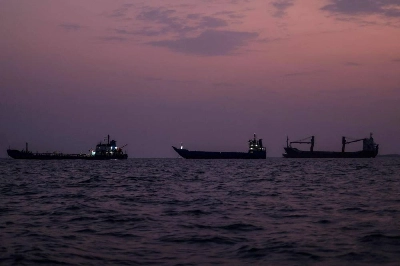
Qatar’s cruise season, which at present is witnessing a spectacular growth, has ensured a steady multiplier effect to the country’s economy, thanks to Doha Port expansion and modernisation and the appurtenant arrival of large flotillas and more passengers."The cruise economy creates a larger economic impact," an analyst, who works with a leading investment firm, told Gulf Times.Finding that the expansion of the cruise sector has been facilitated by the modernisation of cruise terminals to accommodate larger vessels while enhancing the overall visitor experience; he said these investments have enhanced the local economy, especially in areas like transportation and retail, creating new job opportunities and supporting ancillary businesses."The growth of the cruise industry is the result of a comprehensive strategic vision led by Qatar Tourism, in close collaboration with our partners at Mwani Qatar and our stakeholders. We remain committed to delivering an exceptional experience that embodies Qatar’s authentic hospitality and upholds the highest internationalstandards,” according to Omar Abdulrahman al-Jaber, Chief of TourismDevelopment at Qatar Tourism.The sector directly contributes to the GDP (gross domestic product) through tourist spending on goods and services as tours, transportation and retail purchases.Additionally, it benefits from port fees, docking charges, and services purchased by cruise lines. The sector also has an indirect economic impact by creating demand for suppliers and ancillary services, thus boosting local businesses and further stimulating GDP growth."The sector’s contribution to GDP will increase in the coming years, supportingQatar’s economic diversification goals," the analyst said.The country's 2025/26 cruise season, which started off this November on a strongnote, will feature 73 scheduled cruise calls, including four maiden calls to Doha Port.The previous season witnessed with more than 396,000 visitors, reflecting a 5% year-on-year growth.Although it has a history of less than a decade, Qatar’s cruise sector has grown tremendously and now contributes influentially to the national exchequer, according to experts in the field."There has been increasing preference for Qatar as a destination for both regular cruise calls and cruises with turnaround calls," an industry insider said.Doha Port regularly hosts top international cruise lines, including MSC Cruises, Costa Cruises, Emerald Cruises, and TUI Cruises with live-ship tracking showing frequent vessel movements, reflecting the port’s growing importance as a regional hub.Considering the pace of non-hydrocarbon sector, the analyst said cruise tourism can be a significant economic contributor to Qatar but long-term success hinges on policies that promote sustainability, and equitable sharing of the benefits of tourism among local communities.Qatar’s cruise sector, which was established in 2016, has helped position Qatar as a popular destination for maritime tourism in the region. The growth of the industry supports Qatar’s economy through increased tourist spending, employment and business opportunities.Cruise ships make money through two channels: Ticket sales and onboard purchases (beverages, spa treatments, art auctions, and shore excursions), which passengers pay for with pre-loaded cruise cards and chip-equipped wristbands.On average, tickets account for more than 60% of total revenue and onboard purchases make up the remaining; even as the other school of thought is onboard purchases account for the lion’s share of the profit despite tickets representing a majority.During the 2024/25 season, there were 15,000 embarkation and disembarkation and as many as 30,000 guests enjoyed a shorex experience with Discover Qatar, which is the destination management company of Qatar Airways.Promoting Qatar’s cruise industry since 2015, Qatar has proven to be one of the most sought after luxury cruise destinations in the Arabian Gulf’s winter cruise season.To support the tremendous growth of the industry, a new passenger terminal, opened in 2022. It offers passengers the same level of service and facilities as Hamad International Airport, including seamless immigration and customs, foreign exchange services, taxi and bus stands, Duty Free shops, a café, waiting areas for cruise passengers and staff, as well as city tours and other tourist information services.Collaborative efforts by Qatar Tourism and local authorities includingImmigration, Customs and Mwani Qatar, have made the disembarkation process quick and hassle-free for passengers arriving at Doha Port, enabling them to start enjoying the destination’s tourism offerings without wasting any time.The 2025 State of the Cruise Industry Report from Cruise Lines International Association (CLIA) highlights a vibrant and responsibly-growing global cruise sector.Cruise ship travel has emerged as a new growth area across the GCC (Gulf Cooperation Council) and is playing a pivotal role in the transformation and diversification of regional economies, according to Knight Frank.Industry leaders highlight short cruises are becoming a foundational strategy for regional growth.In 2025, the global cruise industry is forecast to welcome 37.7mn ocean-going passengers and reach 310 ocean-going vessels.The report also includes the latest trends, the significant global economic impact of cruising and the sustainability advancements that are leading the industry to a sustainable future. 

Gulf Times
Qatar

Minister of state for international cooperation meets Greek envoy

Her Excellency the Minister of State for International Cooperation Dr Maryam bint Ali bin Nasser al-Misnad met with Greek ambassador Christos Kapodistrias. The meeting discussed co-operation relations between the two countries, as well as ways to support and strengthen them, especially in the field of culture, and in particular the cultural exchange next year within the Cultural Days initiative, which aims to build long-term partnerships between the State of Qatar and other countries, and to consolidate respect between cultures. The meeting further discussed prospects for co-operation between the two countries in the fields of investment, economy, trade and health, in addition to a number of topics of common interest.