



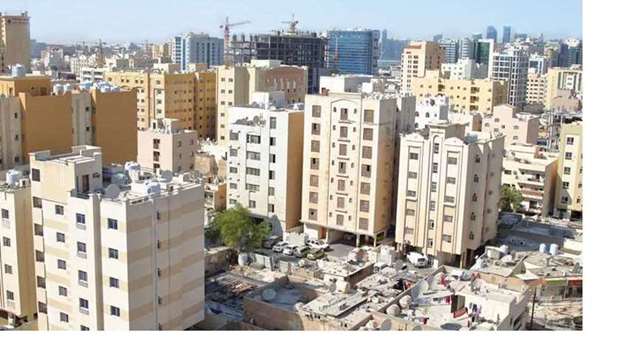
Al Wakra municipality saw a robust double-digit growth year-on-year in building permits issued in December 2021, which otherwise saw an overall lull at the national level, according to the official data.
A total of 672 building permits were issued in December 2021 with Al Daayen, Al Rayyan and Al Wakra municipalities together constituting as much as 68% of the total; according to figures released by the Planning and Statistics Authority (PSA).
On a yearly basis, total building permits issued in Doha witnessed a 13.4% growth against a 30.9% decline at the national level with Al Shamal registering a 60% plunge, Al Daayen (59.7%), Umm Slal (50%), Doha (44.5%), Al Khor (31.7%), Al Shahaniya (23.3%) and Al Rayyan (1.6%).
There was a general 16% decrease month-on-month in the building permits issued in Qatar with Umm Slal recording 43% contraction, followed by Al Daayen (42%), Al Shamal (33%), Doha and Al Khor (15% each) and Al Rayyan (10%). Nevertheless, Al Shahaniya and Al Wakra saw 44% and 12% growth respectively in the review period.
The building permits data is of particular importance as it is considered an indicator for the performance of the construction sector which in turn occupies a significant position in the national economy.
Of the total number of new building permits issued, Al Rayyan constituted 186 permits or 28% of the total, followed by Al Wakra (169 or 25%), Doha (111 or 17%), Al Daayen (100 or 15%), Umm Slal (45 or 7%), Al Khor (28 or 4%), Al Shahaniya (28 or 4%) and Al Shamal (10 or 1%).
The new building permits (residential and non-residential) constituted 55% (367 permits) of the total building permits issued in December 2021, additions 42% (279 permits) and fencing 4% (26 permits).
Of the new residential buildings permits, villas topped the list, accounting for 69% (166 permits) of the total, followed by dwellings of housing loans 19% (46 permits) and apartments 10% (25 permits).
Among the non-residential sector, commercial structures accounted for 71% or 90 permits, the industrial buildings as workshops and factories 14% (18 permits) and governmental buildings 6% (eight permits).
Qatar saw a 6.6% year-on-year fall in the total building completion certificates issued in December 2021 with Al Shahaniya witnessing a 94.4% plunge, Al Rayyan (28.4%), Al Wakra (22.1%), Al Khor (20%), Al Shamal (12.5%) and Umm Slal (6.3%). However, there was 56.8% and 57.1% surges in building completion certificates issued in Doha and Al Daayen respectively during the review period.
On a monthly basis, the total number of building completion certificates issued in Qatar fell 13% with Al Shahaniya recording an 88% shrinkage, Al Khor (43%), Al Daayen (26%), Al Shamal (22%), Al Rayyan (18%) and Al Wakra (14%). On the other hand, there was an increase of 36% and 11% in Umm Slal and Doha respectively in the review period.
Qatar saw a total of 298 building completion certificates issued in December 2021, of which 188 or 63% was for the new buildings (residential and non-residential) and 110 or 37% for additions.
Of the total number of new building completion certificates issued in December 2021, Doha constituted 23% or 69 certificates, followed by Al Rayyan (23% or 68), Al Wakra (20% or 60), Al Daayen (18% or 55), Umm Slal (10% or 30), Al Khor (3% or eight), Al Shamal (2% or seven) and Al Shahaniya (0.3% or one).
Of the 159 residential buildings completion certificates issued, as many as 128 or 81% were for villas, 21 or 13% for dwellings of housing loans and 10 or 6% for the apartments.
Of the 128 villas completion certificates issued this December 2021, as many as 34 were in Al Daayen, 25 in Al Wakra, 22 each in Umm Slal and Al Rayyan, 18 in Doha, four in Al Khor and three in Al Shamal.
Of the 21 dwellings of housing loans completion certificates issued, Al Rayyan saw 11, Al Wakra and Al Daayen (four each), and Al Shahaniya and Umm Slal (one each).
In the case of 10 apartments, Doha issued nine completion certificates and one in Al Wakra.
A total of 672 building permits were issued in December 2021 with Al Daayen, Al Rayyan and Al Wakra municipalities together constituting as much as 68% of the total; according to figures released by the Planning and Statistics Authority (PSA).
On a yearly basis, total building permits issued in Doha witnessed a 13.4% growth against a 30.9% decline at the national level with Al Shamal registering a 60% plunge, Al Daayen (59.7%), Umm Slal (50%), Doha (44.5%), Al Khor (31.7%), Al Shahaniya (23.3%) and Al Rayyan (1.6%).
There was a general 16% decrease month-on-month in the building permits issued in Qatar with Umm Slal recording 43% contraction, followed by Al Daayen (42%), Al Shamal (33%), Doha and Al Khor (15% each) and Al Rayyan (10%). Nevertheless, Al Shahaniya and Al Wakra saw 44% and 12% growth respectively in the review period.
The building permits data is of particular importance as it is considered an indicator for the performance of the construction sector which in turn occupies a significant position in the national economy.
Of the total number of new building permits issued, Al Rayyan constituted 186 permits or 28% of the total, followed by Al Wakra (169 or 25%), Doha (111 or 17%), Al Daayen (100 or 15%), Umm Slal (45 or 7%), Al Khor (28 or 4%), Al Shahaniya (28 or 4%) and Al Shamal (10 or 1%).
The new building permits (residential and non-residential) constituted 55% (367 permits) of the total building permits issued in December 2021, additions 42% (279 permits) and fencing 4% (26 permits).
Of the new residential buildings permits, villas topped the list, accounting for 69% (166 permits) of the total, followed by dwellings of housing loans 19% (46 permits) and apartments 10% (25 permits).
Among the non-residential sector, commercial structures accounted for 71% or 90 permits, the industrial buildings as workshops and factories 14% (18 permits) and governmental buildings 6% (eight permits).
Qatar saw a 6.6% year-on-year fall in the total building completion certificates issued in December 2021 with Al Shahaniya witnessing a 94.4% plunge, Al Rayyan (28.4%), Al Wakra (22.1%), Al Khor (20%), Al Shamal (12.5%) and Umm Slal (6.3%). However, there was 56.8% and 57.1% surges in building completion certificates issued in Doha and Al Daayen respectively during the review period.
On a monthly basis, the total number of building completion certificates issued in Qatar fell 13% with Al Shahaniya recording an 88% shrinkage, Al Khor (43%), Al Daayen (26%), Al Shamal (22%), Al Rayyan (18%) and Al Wakra (14%). On the other hand, there was an increase of 36% and 11% in Umm Slal and Doha respectively in the review period.
Qatar saw a total of 298 building completion certificates issued in December 2021, of which 188 or 63% was for the new buildings (residential and non-residential) and 110 or 37% for additions.
Of the total number of new building completion certificates issued in December 2021, Doha constituted 23% or 69 certificates, followed by Al Rayyan (23% or 68), Al Wakra (20% or 60), Al Daayen (18% or 55), Umm Slal (10% or 30), Al Khor (3% or eight), Al Shamal (2% or seven) and Al Shahaniya (0.3% or one).
Of the 159 residential buildings completion certificates issued, as many as 128 or 81% were for villas, 21 or 13% for dwellings of housing loans and 10 or 6% for the apartments.
Of the 128 villas completion certificates issued this December 2021, as many as 34 were in Al Daayen, 25 in Al Wakra, 22 each in Umm Slal and Al Rayyan, 18 in Doha, four in Al Khor and three in Al Shamal.
Of the 21 dwellings of housing loans completion certificates issued, Al Rayyan saw 11, Al Wakra and Al Daayen (four each), and Al Shahaniya and Umm Slal (one each).
In the case of 10 apartments, Doha issued nine completion certificates and one in Al Wakra.