



The Gulf Co-operation Council (GCC) corporates are likely to focus on cost optimisation, proactively managing their liquidity and preserving their cash flows this year as they maintain conservative strategies, according to Standard and Poor's (S&P), a global credit rating agency.
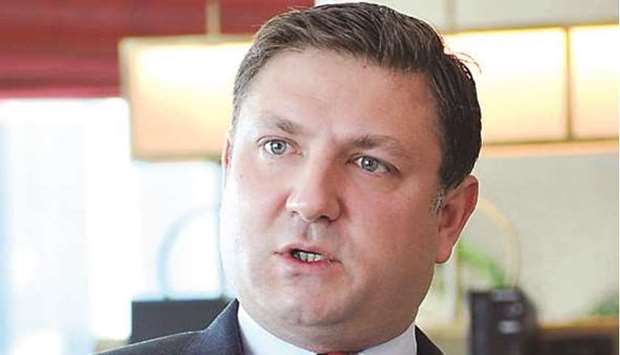
"Absent a substantial recovery in revenue generation, they are likely to focus on cost optimisation, proactively managing their liquidity, and preserving their cash flows, while new investments will continue to take a back seat in most sectors," said S&P Global Ratings credit analyst Timucin Engin.
After a very challenging 2020 amid the Covid-19 pandemic and oil price shock, the rating agency expects the GCC economies to grow moderately this year.
Pressures look set to continue in corporate sectors, particularly for companies operating in tourism, aviation, real estate, and non-food retail. The same is true also for the larger oil, gas, and commodities sectors (including oil field services) because it expects revenue generation to remain under pressure relative to 2019.
S&P said most GCC corporates endured visible stress on their revenue and EBITDA (earnings before interest taxes depreciation amortisation) generation in 2020.
"Their priority this year will be to recuperate 2020 losses, while operating in a slow-growth environment," it said.
Expecting most companies to face revenue-growth challenges in 2021 amid a lack of visibility on the timing of a recovery and Covid-19-related uncertainties, it said a "significant" number of rated corporates reduced or deferred their capital expenditures in 2020.
Some, such as real estate, reduced and/or eliminated dividends to conserve cash, it said, adding some companies are also monetising assets to reduce their leverage.
"We expect these trends to continue through 2021," it said.
S&P expects that a full recovery in the global aviation and tourism industries will take time; hence these sectors remain most exposed.
While there is considerable uncertainty regarding the outlook for global air travel, it said "we nevertheless expect a weak recovery in 2021, with traffic and revenues still 40%-60% lower than in 2019, and 20% – 30% lower in 2022."
The rating agency said most national oil companies (NOCs) and oil majors continue to focus on cost optimisation, renegotiating their contracts and pricing agreements, and generally limiting capital expenditures, which means continued topline pressures for the oilfield services companies.
Companies within the GCC infrastructure sector tapped into the capital markets over the past 12 months and continue to look to them to achieve long-term borrowings at competitive pricing.
"Given the declining long-term liquidity from the banking sector combined with relatively low interest rates, we have seen companies in the power and oil and gas sectors willing to refinance their debt obligations by accessing a large pool of institutional investors looking for stable and long-term yields," it said.
Observing that an increasing number of securitisation plans of large infrastructure assets, both in the public and private sector, to attract low-cost capital; it said, "we expect that this trend will carry on in 2021 given the continuing low interest rates."
"Absent a substantial recovery in revenue generation, they are likely to focus on cost optimisation, proactively managing their liquidity, and preserving their cash flows, while new investments will continue to take a back seat in most sectors," said S&P Global Ratings credit analyst Timucin Engin.
After a very challenging 2020 amid the Covid-19 pandemic and oil price shock, the rating agency expects the GCC economies to grow moderately this year.
Pressures look set to continue in corporate sectors, particularly for companies operating in tourism, aviation, real estate, and non-food retail. The same is true also for the larger oil, gas, and commodities sectors (including oil field services) because it expects revenue generation to remain under pressure relative to 2019.
S&P said most GCC corporates endured visible stress on their revenue and EBITDA (earnings before interest taxes depreciation amortisation) generation in 2020.
"Their priority this year will be to recuperate 2020 losses, while operating in a slow-growth environment," it said.
Expecting most companies to face revenue-growth challenges in 2021 amid a lack of visibility on the timing of a recovery and Covid-19-related uncertainties, it said a "significant" number of rated corporates reduced or deferred their capital expenditures in 2020.
Some, such as real estate, reduced and/or eliminated dividends to conserve cash, it said, adding some companies are also monetising assets to reduce their leverage.
"We expect these trends to continue through 2021," it said.
S&P expects that a full recovery in the global aviation and tourism industries will take time; hence these sectors remain most exposed.
While there is considerable uncertainty regarding the outlook for global air travel, it said "we nevertheless expect a weak recovery in 2021, with traffic and revenues still 40%-60% lower than in 2019, and 20% – 30% lower in 2022."
The rating agency said most national oil companies (NOCs) and oil majors continue to focus on cost optimisation, renegotiating their contracts and pricing agreements, and generally limiting capital expenditures, which means continued topline pressures for the oilfield services companies.
Companies within the GCC infrastructure sector tapped into the capital markets over the past 12 months and continue to look to them to achieve long-term borrowings at competitive pricing.
"Given the declining long-term liquidity from the banking sector combined with relatively low interest rates, we have seen companies in the power and oil and gas sectors willing to refinance their debt obligations by accessing a large pool of institutional investors looking for stable and long-term yields," it said.
Observing that an increasing number of securitisation plans of large infrastructure assets, both in the public and private sector, to attract low-cost capital; it said, "we expect that this trend will carry on in 2021 given the continuing low interest rates."