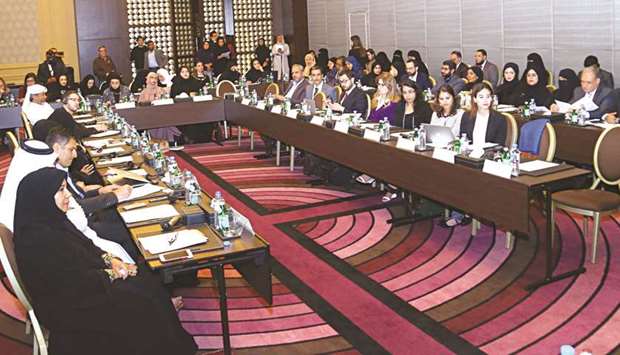


Spreading the importance of media and information literacy (MIL) is not a luxury but a necessity to counter adverse impacts of social media, especially among the youth and students, experts have said at a workshop.
They highlighted the need to develop a national road map and strategy for MIL education in Qatar at the two-day workshop which opened yesterday.
“It is important to spread media literacy among everyone especially among the youth as they spend more time on social media activities,” said Hessa al-Dosari, chief of the Unesco Department at the Qatar National Commission for Education, Culture and Science. She explained that media literacy enables the youth to depend on reliable sources of information. It will also help them in fighting the evils of fake news or hate news.
Al-Dosari was speaking on behalf of Dr Hamda al-Sulaiti, secretary-general of Qatar National Commission to Unesco at the workshop titled ‘Supporting Media and Information Literacy in Qatar: consultation of experts and stakeholders’, co-organised by Unesco and the Doha Centre for Media Freedom ( DCMF) in co-operation with Qatar National Commission to Unesco and Ministry of Education and Higher Education.
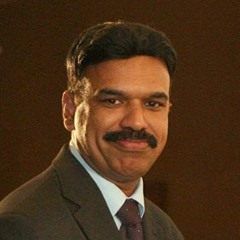
The workshop was opened by Abdulrahman Nasser al-Obaidan, acting director of DCMF, who highlighted the need for regulations on the modern technologies used on social media. He urged there should be more awareness about the pitfalls in social media and the youth must be educated how to face these challenges.
It is estimated that the youth in Qatar spend approximately three to four hours a day on the internet. The participants in the workshop noted that the vast majority of young people in Qatar consume information online, and therefore it is important to ensure they have the necessary skills, knowledge and competencies to navigate through a highly complex digital world.
The workshop, a national consultation on empowering youth through MIL, aims to discuss how MIL education can be strengthened in Qatar, including formal and non-formal education settings based on regional best practices. It aims to identify areas for synergies and co-operation for exchange of knowledge and best practices at the national level between academics, teachers, decision-makers.
Other objectives of the workshop are to reach a consensus on the most relevant platforms and approaches to implement MIL education for all stakeholders including teachers, students and parents. Following the opening ceremony, several sessions were held highlighting the impact of social media and how it affects the distribution of news.
Marion Desmurger, senior programme assistant, Unesco, said that the role of media is very crucial in the present world. “Media is shaping the vision of the world more than ever before. We are now not only consumers of news but also producers. It is important to provide the youth with a set of competencies to access, understand, evaluate, create and share information in all formats in a safe, critical and ethical way. Therefore, we have to be very careful dealing with the media, especially social media,” she said.
Other participants at the workshop also highlighted several issues related to social media such as the rapid dissemination of fake news, increased polarisation and dissemination of hate speech on social media, threats to privacy and cyber bullying, among others.