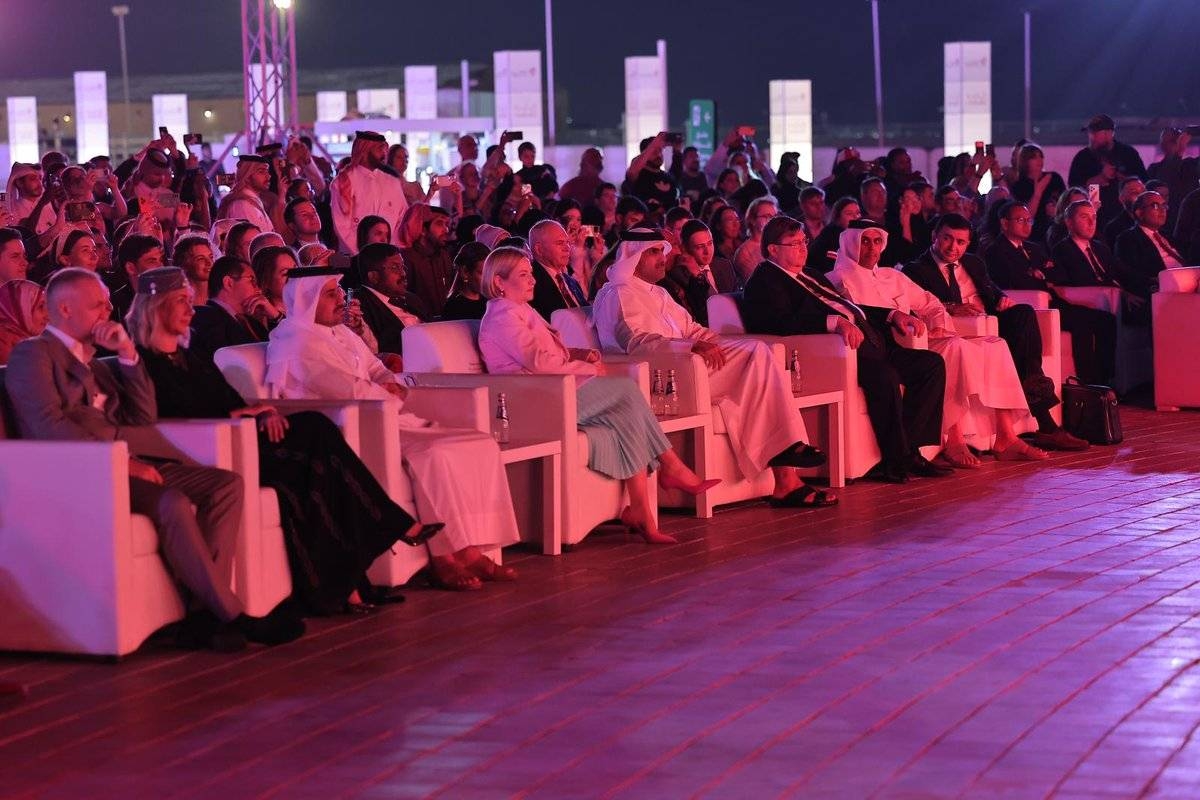
Qatar inaugurated the Russian Cultural Week Thursday at the Darb Al Saai venue, in a move aimed at deepening cultural exchange between the two countries. The opening ceremony was jointly led by His Excellency the Minister of Culture Sheikh Abdulrahman bin Hamad al-Thani and Russia's Minister of Culture Olga Lyubimova. The event is part of Qatar's broader strategy to promote intercultural dialogue and expand cultural cooperation with nations around the world. His Excellency Undersecretary of the Ministry of Culture Dr Ghanem bin Mubarak al-Ali and Russian ambassador to Qatar Dmitry Dogadkin attended the ceremony, alongside several other foreign ambassadors and a large audience. **media[416091]**The first day of the festival showcased a range of performances reflecting the depth and diversity of Russian culture. Audiences enjoyed traditional music, folk songs, and dances, offering a window into Russia's rich cultural heritage. Director of International Co-operation at Qatar's Ministry of Culture, Nasser al-Malki, told Qatar News Agency that the initiative aims to strengthen cultural ties between Qatar and Russia, which share long-standing diplomatic and cultural relations. He added that the festival allows the Qatari public to explore Russia's artistic and social traditions, highlighting the country's historical and cultural identity. The Russian Cultural Week marks the conclusion of Qatar's cultural weeks this season, which also featured Kazakhstan and Tajikistan. **media[416088]**According to al-Maliki, the initiative has successfully promoted cultural understanding and reinforced diplomatic relations, underscoring the importance of cultural diplomacy. During the opening, organisers also announced Kazan as the Islamic World Cultural Capital, with an official inauguration planned for May 14 at the International Economic Forum "Russia-Islamic World: KazanForum". The year's programme will include a wide range of activities showcasing Tatarstan's history, multicultural heritage, and contemporary developments. The Russian Cultural Week offers visitors an immersive experience of Russia's artistic and culinary traditions. The program features folk and contemporary performances, handicraft exhibitions, painting and visual arts workshops, and live demonstrations of Russian cuisine. Highlights include an exhibition of Russian folk costumes from the late 19th and early 20th centuries, curated by historians from across Russia, and a textile exhibition featuring works by both professional artists and amateur craftspeople from different regions of the country. Qatar's Ministry of Culture emphasised that the cultural weeks serve as an active platform for fostering intercultural dialogue, reinforcing the country's position as a hub for international cultural exchange, and building bridges between different cultures.
Qatar
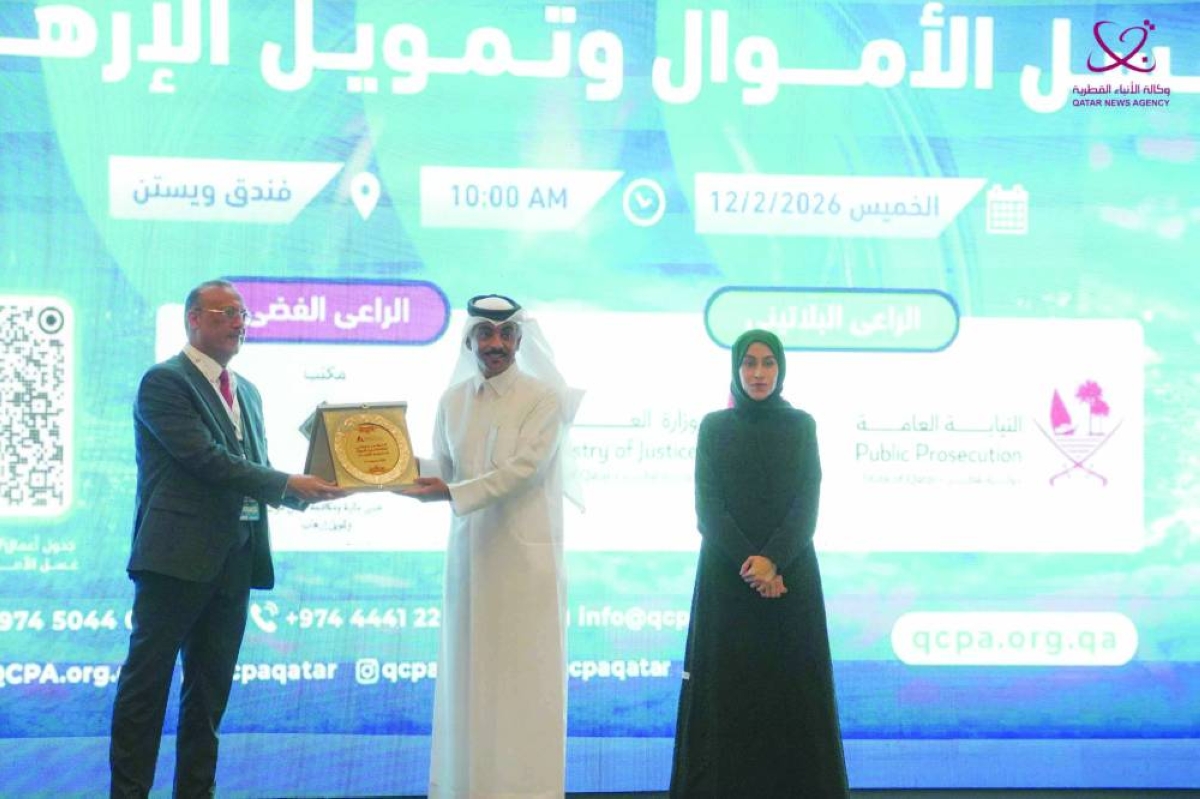
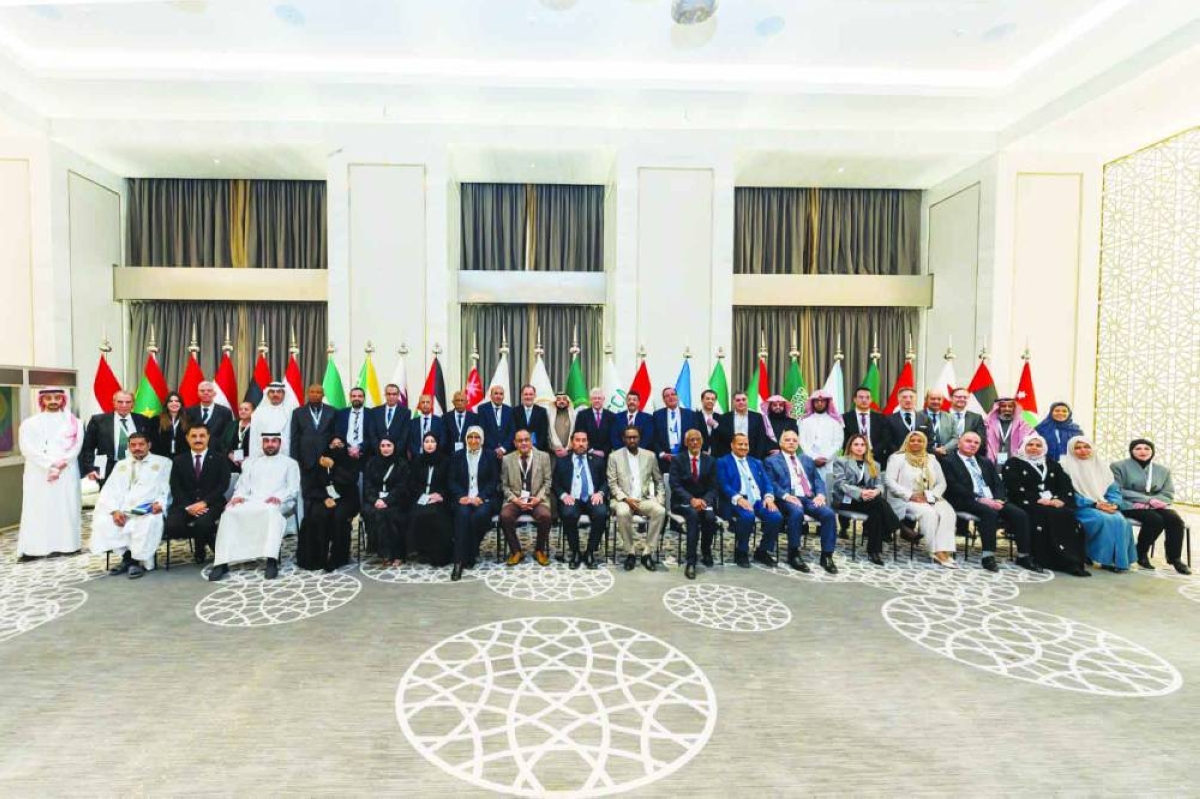
MoJ participates in regional judicial dialogue within Riyadh International Dispute Resolution Week
Thursday, February 12, 2026

Qatar Tennis Federation Secretary-General lauds Qatar TotalEnergies Open success
Thursday, February 12, 2026
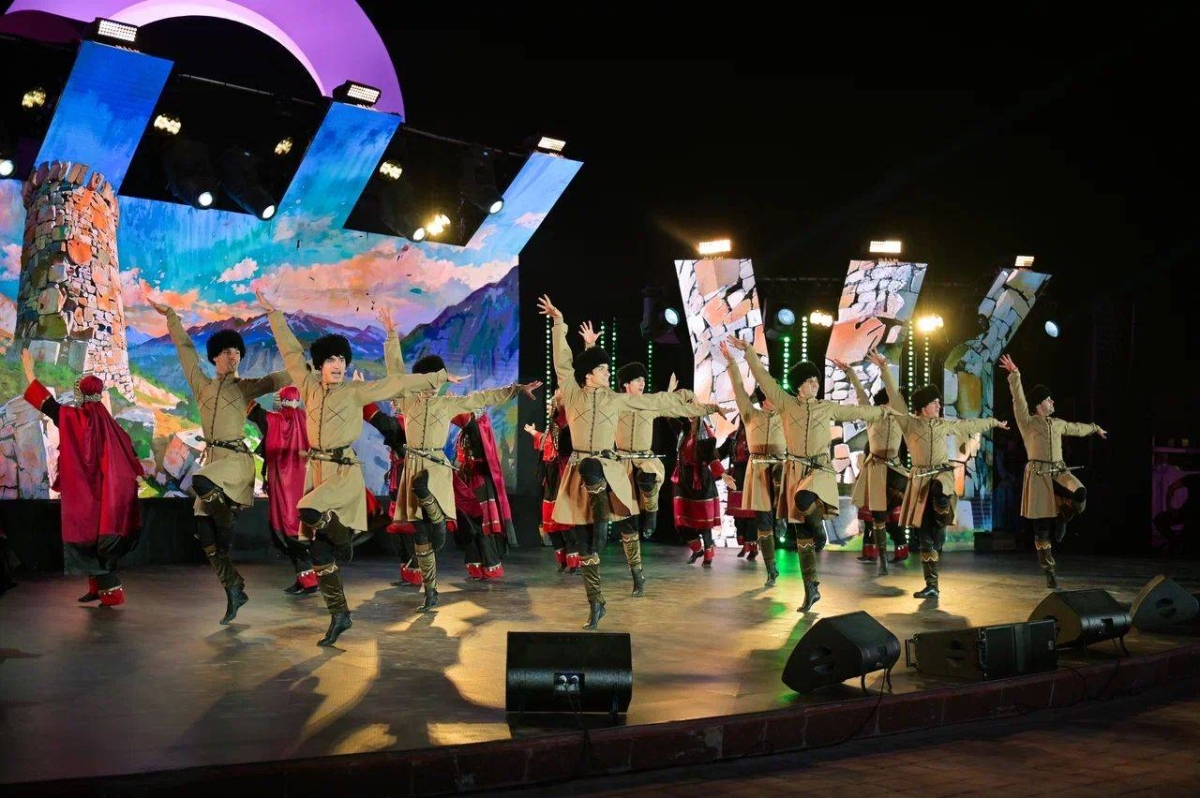
Russian Cultural Week marks historic milestone in Qatar-Russia relations: ambassador
Thursday, February 12, 2026
Thursday, February 12, 2026
Thursday, February 12, 2026
Thursday, February 12, 2026

Thursday, February 12, 2026
Wednesday, February 11, 2026

Kuwait celebrates National Day in Doha, highlights deep-rooted bonds with Qatar
Thursday, February 12, 2026
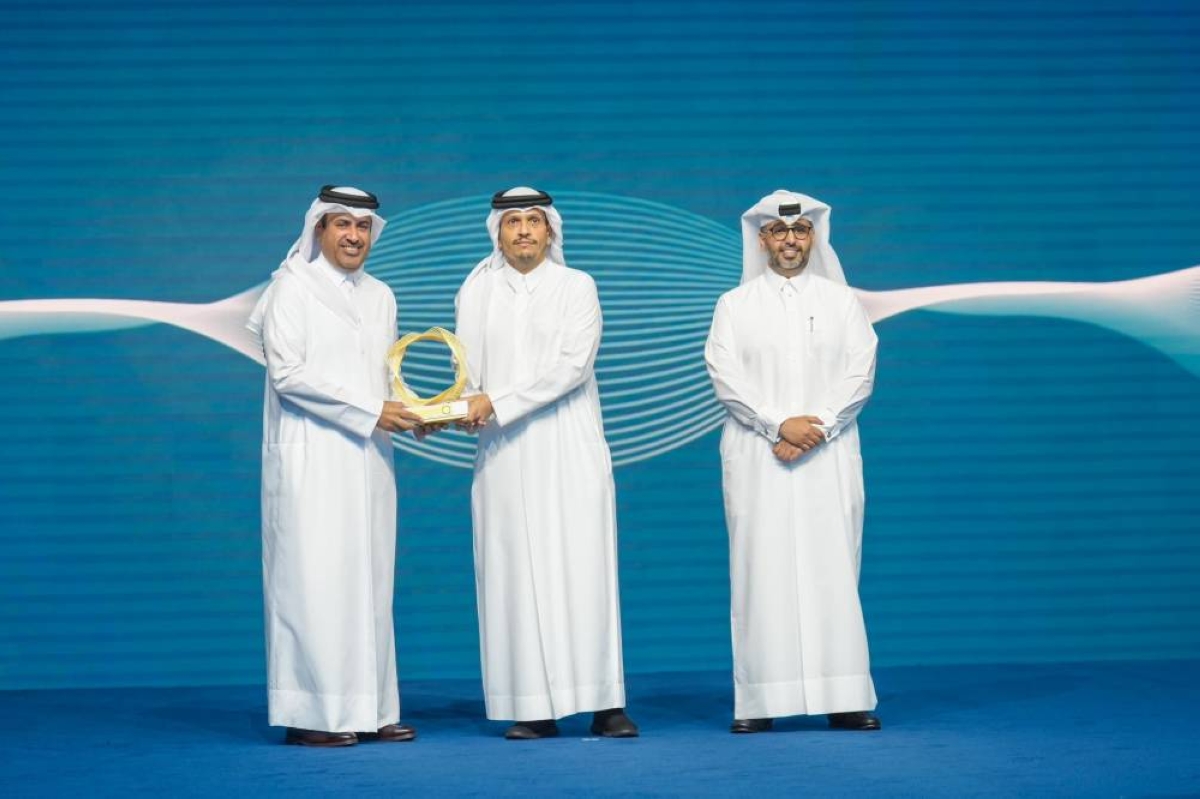
AZF bags Government Excellence Award for institutional transformation leadership
Thursday, February 12, 2026
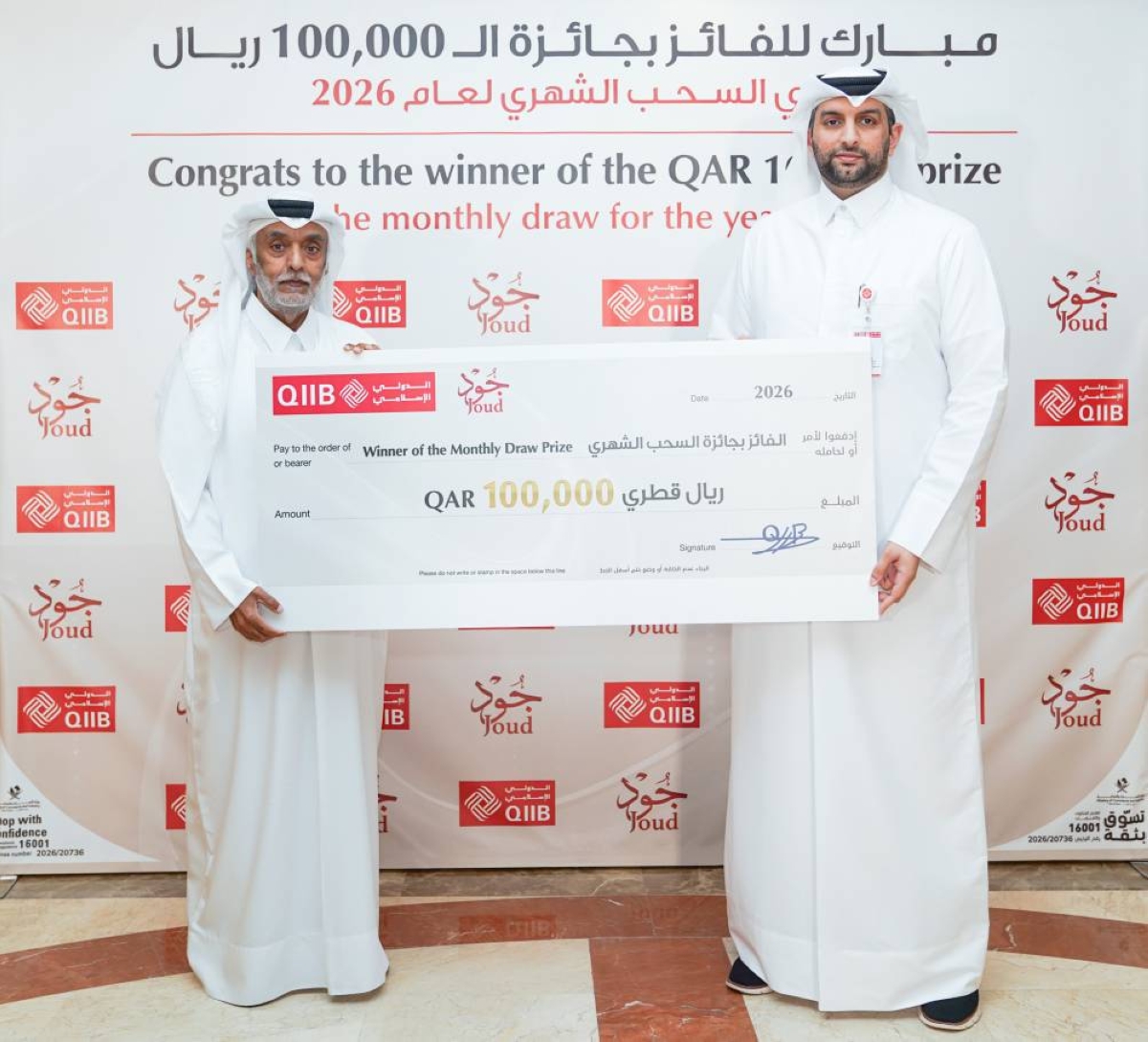
QIIB Announces First Monthly Winner of ‘Joud’ Savings Account Draw, With QR100,000 Prize
Thursday, February 12, 2026