Business

Thursday, February 12, 2026 | Daily Newspaper published by GPPC Doha, Qatar.

Business

Gulf Times

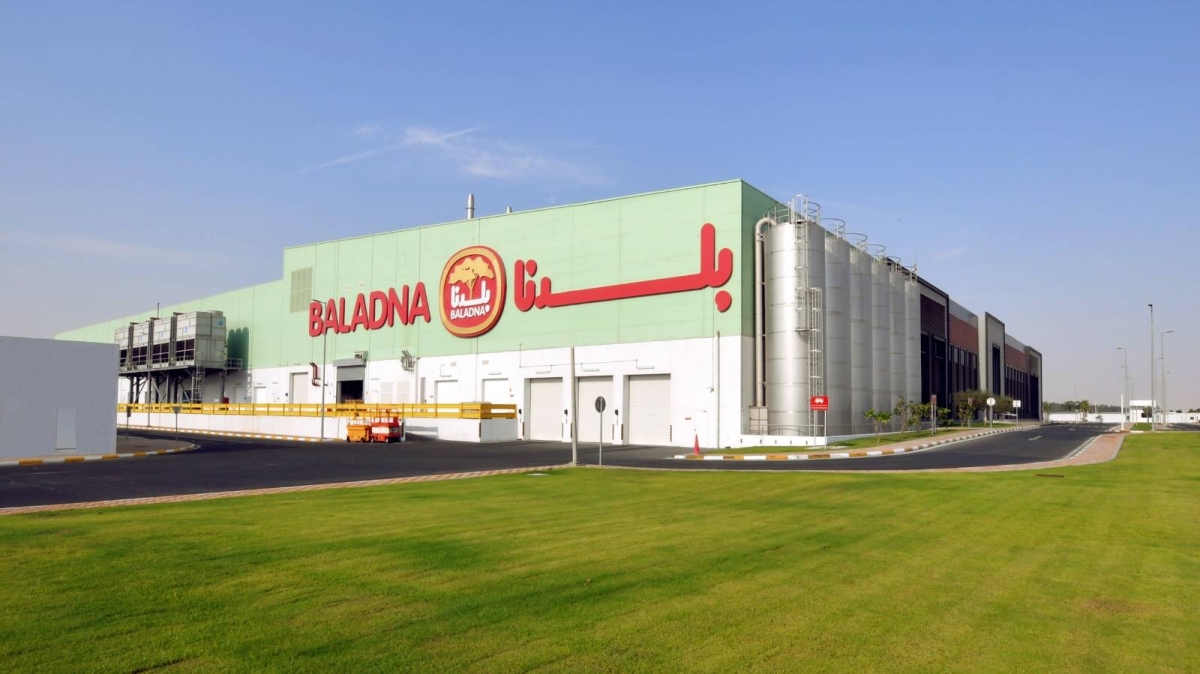
Baladna reports record FY2025 results as international expansion and strategically diversified investments accelerate growth

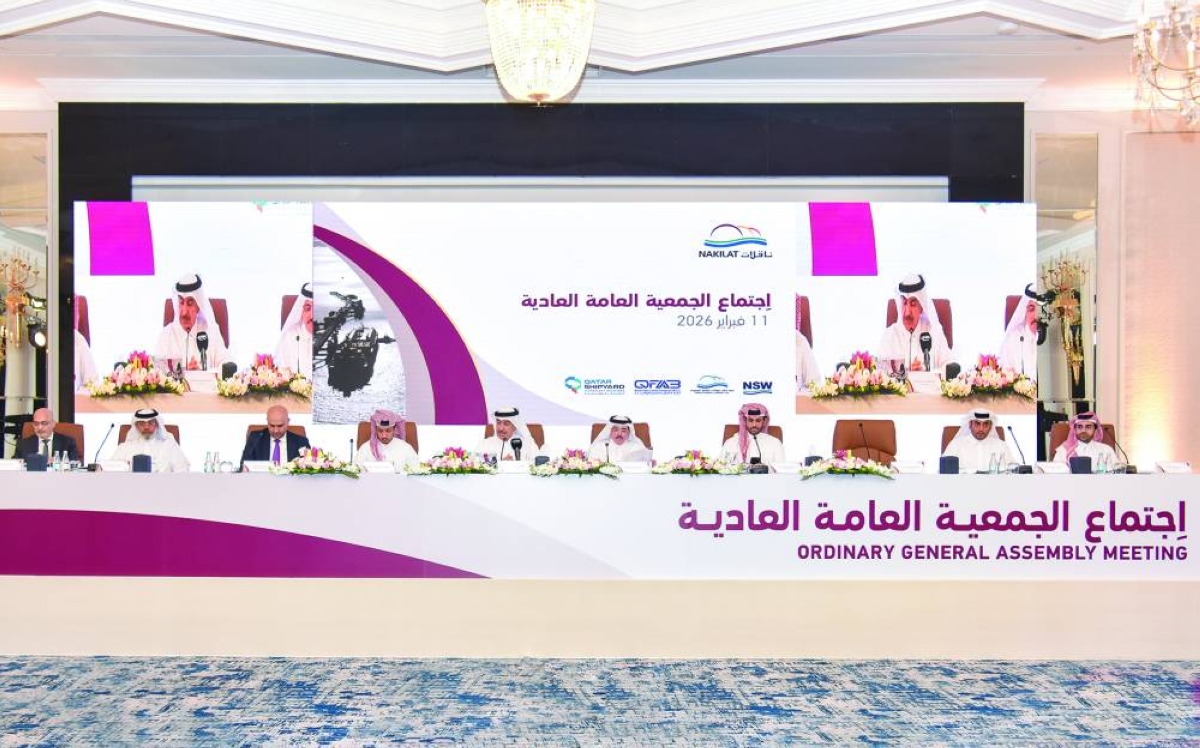
Baladna Q.P.S.C., Qatar’s leading dairy and juice company, announced its full year and fourth quarter results for the period ended 31 December 2025. Performance for the year reflected strong growth, primarily attributed to returns from the Strategically Diversified Investment Portfolio and the continued execution of the Company’s international expansion strategy, as Baladna advanced its long-term vision of expanding beyond the domestic market. Results highlight the Company’s ability to deliver record financial performance while progressively building a diversified international platform.Financial highlightsBaladna delivered record financial results for the year ended 31 December 2025, achieving its highest revenue, EBITDA, and net profit to date.Full year revenue reached QAR 1.27 billion, up 11% year on year, driven by higher volumes across key channels, with HoReCa contributing significantly and recording a 30% growth.Fourth quarter revenue increased to QAR 326.5 million, compared to QAR 286.2 million in the same period last year. The improvement was driven primarily by higher revenue contribution from the evaporated milk segment, supported by seasonal demand, increased visitor activity during the FIFA Arab Cup Qatar 2025 held in December.Profitability improved materially during the year. Full year EBITDA rose to QAR 770.1 million, with a margin of 60.7%, while net profit reached QAR 538.8 million, with a margin of 42.6%. Performance mainly reflected returns from the Strategically Diversified Investment Portfolio, implemented as part of the Company’s plan for geographic and sectoral diversification, alongside the increasing contribution from international investments and overseas operations. Earnings per share increased to QAR 0.252, compared to QAR 0.086 in 2024.Operational highlightsBaladna continued to deliver across its core operations while actively extending its commercial reach beyond the domestic market. The Company expanded its export activities with the commencement of regular shipments of selected long-life dairy products to Syria through a local distribution partner, leveraging Baladna’s established production capabilities and strengthening its regional presence. Across the domestic business, demand was supported during the fourth quarter by increased activity associated with the FIFA Arab Cup Qatar 2025, alongside continued portfolio management across core dairy and juice categories. Throughout the year, Baladna expanded its portfolio to 267 SKUs, adding over 33 new products. The Company now operates more than 149 sales routes, reinforcing its number one market position in Qatar. Product portfolio activity remained focused on performance and consumer demand, with selective product introductions and ongoing optimization supporting mix quality and operational priorities. Strategic highlightsBaladna continued to advance its international growth strategy, building a phased and scalable international footprint.In Algeria, the integrated agri-industrial project continued to record strong execution progress during 2025, advancing from planning into active on-ground development. During the 4th quarter, 186 drilling permits were secured, 45 wells completed, irrigation and pivot systems installed, and the first crop cycle successfully initiated, laying the foundation for feed self-sufficiency. Industrial development progressed with completion of the main laboratory concept design, optimization of the Central Utilities Building, and updates to the site masterplan, while major engineering milestones, including high-pressure and low-pressure boiler systems, compressed air and nitrogen plants, water treatment, and refrigeration plant designs, were completed and submitted for contractor review. Site utilities and wastewater drainage planning are under development, supporting operational readiness for the processing facilities. The project also advanced regulatory engagement on livestock imports, and road access coordination with authorities ensured connectivity to this remote site, supporting ongoing construction and infrastructure activities. By Q4 2025, the project had achieved visible site progress and remained on track with its phased development plan, reinforcing Baladna’s long-term objectives toward first milk production and contribution to local food security by 2027. The Algeria project represents the cornerstone of Baladna’s international expansion strategy and a key driver of long-term growth beyond Qatar.Building on this foundation, Baladna progressed its expansion into Syria, where preparatory activities continued for the planned integrated industrial project, encompassing arable farming, dairy and juice processing plant, a plastic packaging facility and warehousing infrastructure. In parallel, the Company has established an on-ground commercial presence through exports, supporting market development alongside ongoing project planning. In Egypt, the Company’s fully operational back-office hub supported international operations and investment activities, providing a platform to facilitate the execution of Baladna’s expanding regional footprint.Together, Algeria, Syria and Egypt form the initial phases of Baladna’s broader international expansion roadmap, as the Company continues to evaluate additional markets in a measured and selective manner. These initiatives reflect Baladna’s continued progress in executing its international growth strategy under its long-term “From Qatar to the World” vision, supported by returns from its Strategically Diversified Investment Portfolio. Capital IncreaseThe Extraordinary General Assembly approved an increase in the Company’s paid-up share capital by 24%, from QAR 2,143,984,962 to QAR 2,658,541,352, through the issuance of 514,556,390 new ordinary shares at an issue price of QAR 1.01 per share. The capital increase will be implemented through a rights issue, with priority granted to eligible shareholders registered with Edaa as at the end of the trading session on 10 March 2026, subject to the approval of the relevant regulatory authorities. For the complete financial statements, please visit https://baladna.com/corporate or email [email protected]

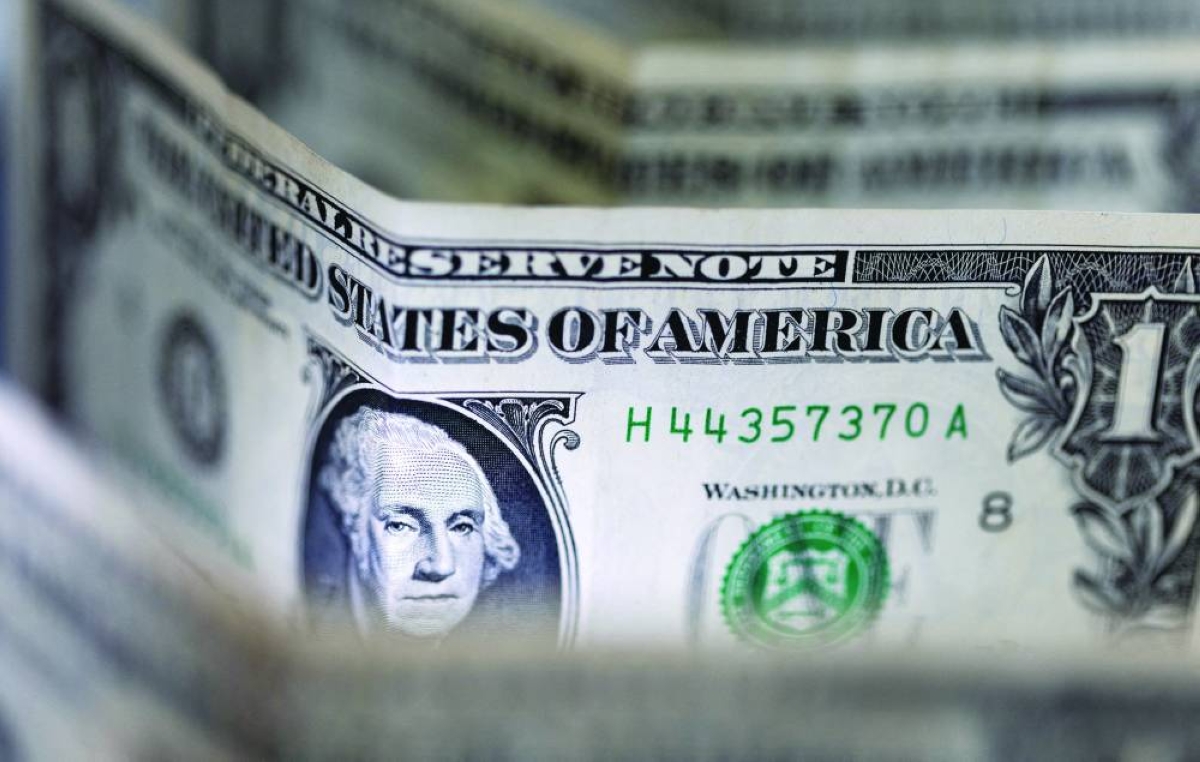
The dollar has dropped 9% overall against a basket of world currencies over the last year, and in January fell to its weakest level since March 2022. And the downward pressures don’t appear to be going away.

What a weaker US dollar means for the economy

The dollar typically strengthens in times of economic or geopolitical strife, but in 2026 much of the uncertainty and political turmoil is coming from inside the US – and President Donald Trump has given a thumbs-up to the resulting plunge in the greenback. The dollar has dropped 9% overall against a basket of world currencies over the last year, and in January fell to its weakest level since March 2022. And the downward pressures don’t appear to be going away.A weaker dollar reverberates across the US and global economies. In the US, prices of imported goods rise, making purchases of those products more expensive for American manufacturers and consumers, while American exports become more attractive to customers overseas.Here’s what to know about the dollar’s drop and what to expect if the currency remains under pressure. Why is the dollar weakening?There are multiple forces dragging down the US currency. But analysts say the Trump administration’s unpredictable foreign policy, including Trump’s on-again, off-again threat to take over Greenland and the removal of Venezuela’s president by force, are undermining the dollar’s normal role as a haven in times of uncertainty. Trump’s repeated attacks on the Federal Reserve’s independence also have put pressure on the US currency, as has the possibility of further interest-rate cuts by the central bank. Lower interest rates drag down the dollar as investors look elsewhere for higher savings rates.Separately, the Trump administration and many analysts have argued that the dollar has become overvalued and that the recent weakness and outlook for continued depreciation is a reckoning the world should have been braced for. During Trump’s first term, the president highlighted that for decades, as part of the underpinning of globalization, the dollar was artificially propelled higher by the rest of the world. Currency manipulation charges have been rampant over the past two decades at least. China and other Asian nations have often come under fire for forcing down their currencies, and European officials have made surprisingly frank admissions about not wanting the euro to exceed certain levels.US Commerce Secretary Howard Lutnick said on February 10 that the dollar’s current value may be closer to where it naturally should be. What role does the dollar play in the global economy?The dollar is the closest thing there is to a global currency. It’s the cornerstone of international finance and the payment method of choice for more international transactions than any other currency. The US also uses the dollar as a foreign-policy tool, for example by significantly limiting Russia’s ability to trade dollars after the country’s full-scale invasion of Ukraine in 2022. How has confidence in the US dollar evolved?The concerns undercutting the dollar go to the heart of how the Trump administration is governing, analysts say. A dominant currency needs a strong democracy, elements of which include the rule of law, an independent central bank, free and fair elections, and press freedoms. The second Trump administration has tested these fundamentals. Trump has spoken repeatedly about wanting to fire Fed Chair Jerome Powell, and the Justice Department launched an investigation into renovations of the Fed’s headquarters, a step that a bipartisan group of lawmakers has indicated appears to be politically motivated. Trump also has pressured the Fed to cut interest rates and made clear he expects Kevin Warsh, his nominee to replace Powell, to carry out that policy, challenging a widely held belief that the central bank should operate free of political influence. All these moves have chipped away at confidence in the US currency, analysts say.Another source of pressure on the dollar is America’s debt pile. US public debt has risen to more than $38tn; its ratio to gross domestic product now exceeds 100%, the highest level since around the end of World War II. Rising federal borrowing hurts the dollar by eroding investor confidence in the US’ ability to fulfill its debt obligations. Does the US still want a strong dollar?The Trump administration has delivered mixed signals. Trump often suggests that he wants the dollar to weaken against other major currencies, seeing it as a way to boost demand for US goods. But he also says he wants the dollar to retain its status as the anchor of global finance.In recent days, the president appeared to fully embrace a weaker dollar. Asked on January 27 whether he was worried about the dollar’s recent slide, Trump told reporters, “No, I think it’s great.” His remarks all but cemented the view that the currency is headed for further declines.But Treasury Secretary Scott Bessent sounded a different note a day later, reiterating that the US is maintaining its long-standing “strong dollar” policy. Could the dollar really be dislodged?It would take a monumental shift in global finance, economic growth and geopolitics for the reserve asset to switch completely to a different currency. And any shift would be a slow one, given how deeply entrenched the dollar is. The currency remains dominant in part because the US economy is huge — as big as No 2 China, No 3 Germany and No 4 Japan combined. Overseas investors owned $31tn in US stocks and bonds as of June 2024, which would take time to unwind.Any attempt to displace the dollar would require a currency that has deep, liquid debt markets, something that no other nation can offer. The lack of a unified euro-zone debt market that could compete with the dollar has been recently lamented by both Christine Lagarde, the European Central Bank chief, and Kristalina Georgieva, head of the International Monetary Fund.What’s more likely is that the world enters a period of multi-currency power with a dollar that’s dominant, but perhaps less so than today. Who are the winners and losers from a weaker dollar?If the dollar experiences a sustained weakening against other major currencies, it is likely to be a boon for American exporters and manufacturers. It means overseas buyers of American-made goods will have stronger purchasing power since their currencies will have appreciated against the dollar. Still, manufacturing accounts for far less of the US economy than it did decades ago, meaning any bump in the sector may not be as large a boon as some may think. In the 1950s, more than 30% of working Americans had jobs in manufacturing. That number has fallen below 8%, even as Trump has promised to reindustrialize the country.A weaker dollar could complicate the picture for US economic growth because it tends to spur inflation as US consumers are forced to pay more for non-US-made goods.And if the weaker trend persists, it would likely push up interest rates, causing pain for consumers as costs rise on home mortgages, auto loans and credit card debt.Higher rates also mean that the US government will have to pay more to finance the budget deficit, which could prompt Congress to consider steep budget cuts. Has this happened before?Talk of the dollar’s demise has bubbled up from time to time. In the 1990s, the Japanese yen gained attention as a potential rival. In the early 2000s, the euro appeared to be a possible challenger before the continent’s credit crisis eroded the currency’s status.Events in the US, including the withdrawal from the gold standard in 1971 and the financial crisis in 2008, also threatened the dollar’s dominance. Each time the currency persevered, in large part due to American economic strength and because there was no clear rival in the picture.