
Banks in Qatar depend more on funding from head offices, affiliates, and capital market instruments, thereby reducing the risk of potential funding outflows if the US-Iran issues escalate, according to Standard and Poor's (S&P) Global Ratings.Highlighting that Qatari banks are likely to face a funding shortfall in a severe stress scenario; the rating agency said, however, this potential shortfall has reduced to $4.4bn in 2025 from $7.4bn a year before and would probably be covered by the government, given its strong track record of support during times of stress.The shortfall at year-end 2025 is equivalent to about 10% of the support provided by the government and its related entities during the 2017 boycott-related outflows, according to S&P.Finding that Qatari banks are still exposed to potential shortfalls in the case of sudden outflows; S&P nevertheless said this risk is declining, as the structure of banks' external debt has shifted."They now rely more on funding from head offices, affiliates, and capital market instruments, and less on nonresident deposits and interbank deposits, which were more prominent in previous years," it said.Based on the most recent disclosures of regional central banks and its updated assumptions, S&P reassessed how banks would perform under a severe stress scenario where they face external funding outflows in case of a potential escalation between Iran and the US."Under a severe stress scenario, most banking systems in the Gulf Co-operation Council (GCC) region could absorb potential funding outflows using their own liquid assets," it said.The GCC banks' exposure to external debt outflows amid rising geopolitical risk and regional tensions has remained "high" since its first stress test in 2023. Although recent episodes have mostly led to flights to quality within the local banking systems, "we continue to view external debt outflows as a plausible risk under a severe stress scenario -- particularly in the event of a prolonged conflict involving non-regional and regional actors and sustained, broad-based attacks," it said.Based on the latest data published by the GCC central banks and revised system-specific assumptions, its updated analysis shows that, under a regional war scenario, Bahraini banks could face an absolute funding shortfall of $1.9bn (equivalent to 8% of external assets after assumed haircuts) as of year-end 2025, compared with a surplus of $3.3bn as of year-end 2024."This reflects Bahraini banks' rising external debt and an increase in assumed haircuts on investment portfolios that results from high exposure to sovereign creditworthiness," according to the credit rating agency.At the other end of the spectrum, banks in the UAE and Kuwait maintain strong net external asset positions and solid capacity to absorb outflows, it said.Finding that Saudi Arabia's banks' surplus has marginally reduced; it said this is because of the significant increase in external debt over the past two years and the still significant investments abroad.Banks' net external debt increased five-fold to $54.6bn at year-end 2025 against $9.1bn at year-end 2024, it said, expecting Saudi banks' lending growth to remain strong at about 10% in 2026, implying banks will continue to raise external debt."We continue to factor into our ratings banks' intrinsic credit strengths and our expectation of significant government support for most GCC banks, which we do not expect to change over the near term," according to the report.
Business
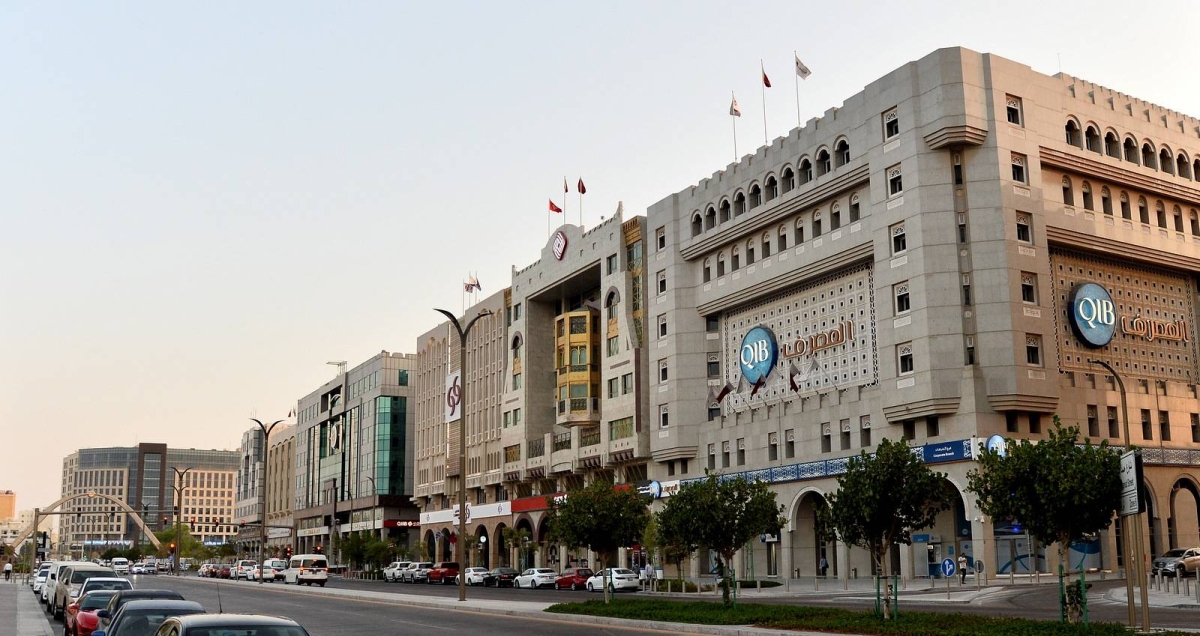
Banks in Qatar to see reduced risk of potential funding outflows if US-Iran issues escalate: S&P
Friday, February 13, 2026


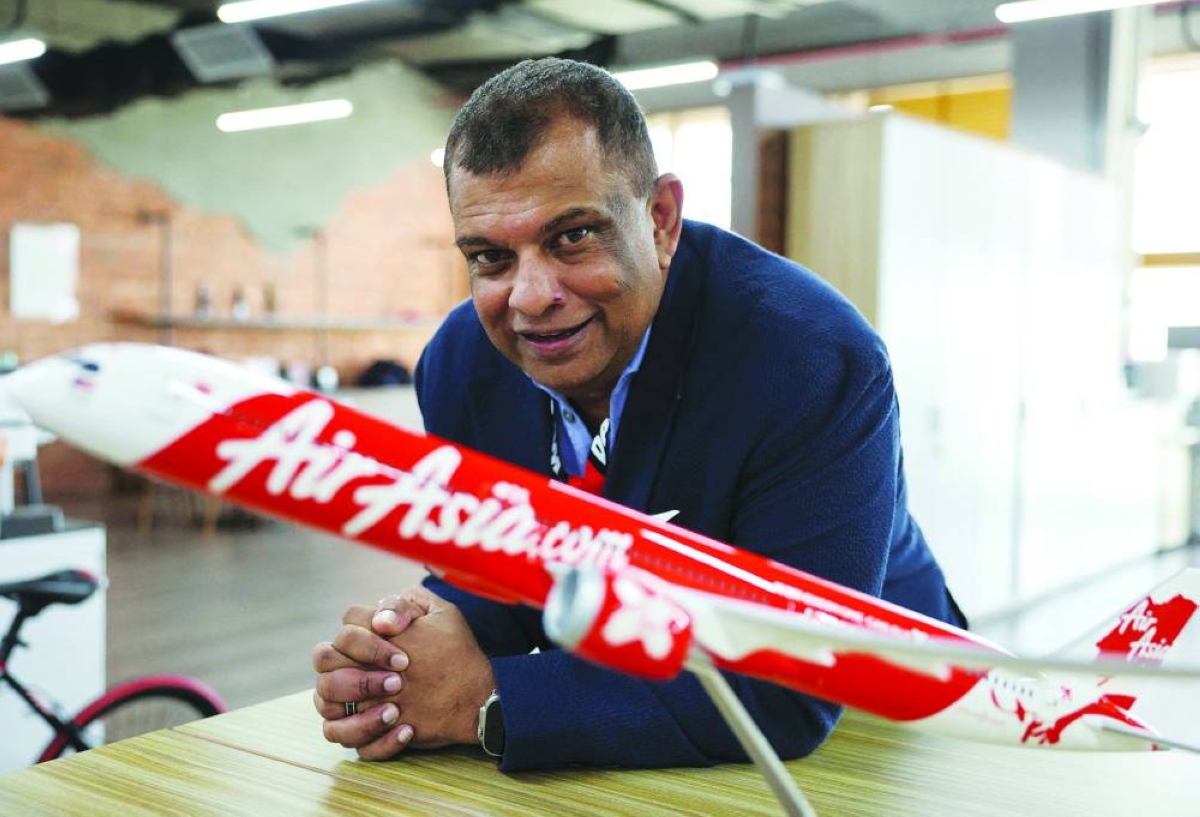
AirAsia X unveils Kuala Lumpur-Bahrain-London route, establishing Middle Eastern hub
Thursday, February 12, 2026

Thursday, February 12, 2026
Thursday, February 12, 2026
Thursday, February 12, 2026

Thursday, February 12, 2026

Wednesday, February 11, 2026

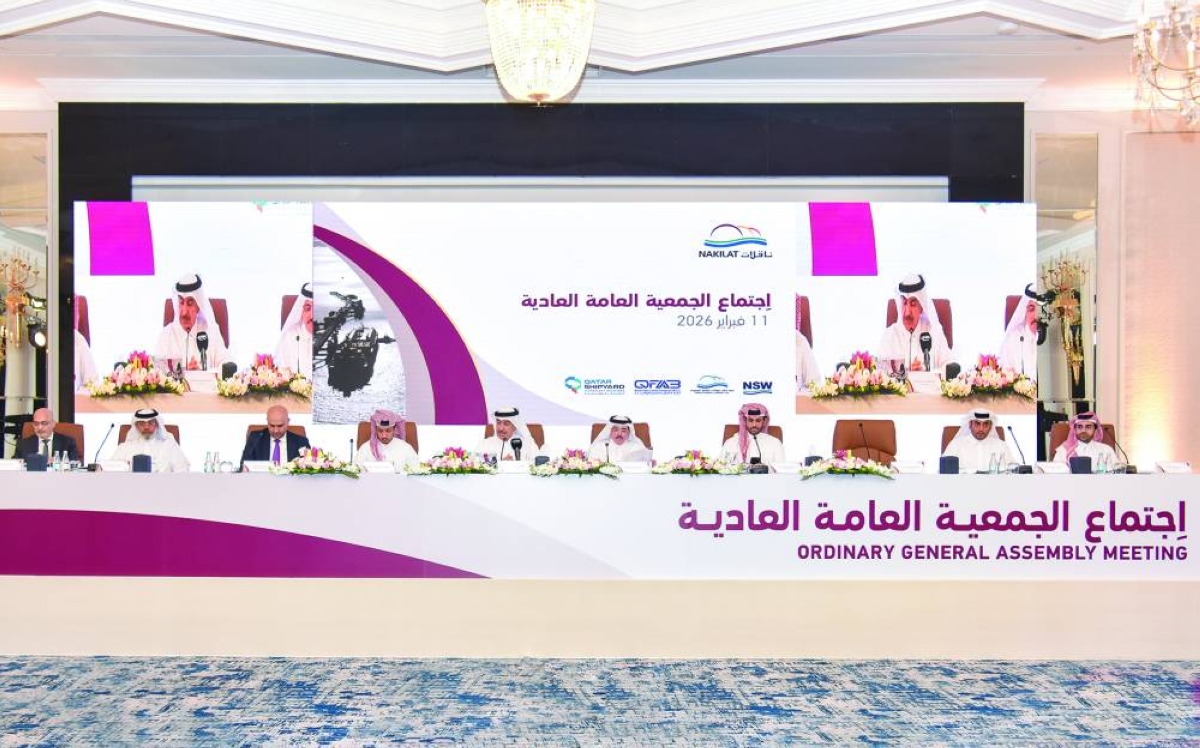
Construction of gas carriers begins; first vessel to be delivered by year-end: Nakilat
Wednesday, February 11, 2026



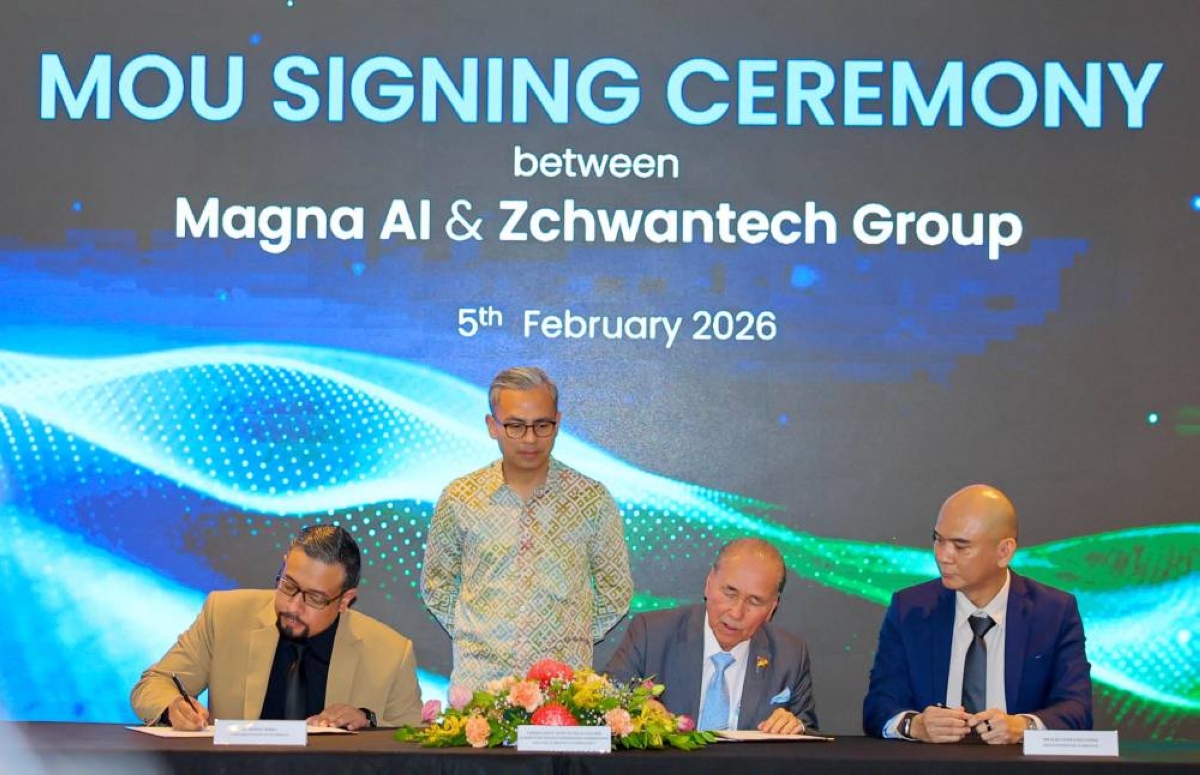
Magna AI and Zchwantech Announce USD 700M Strategic Collaboration to Power Malaysia’s Sovereign AI Future
Tuesday, February 10, 2026