Opinion

Saturday, February 21, 2026 | Daily Newspaper published by GPPC Doha, Qatar.

Families now rely on limited food and drink options, as poverty and scarce resources prevent them from purchasing the variety and quantities traditionally associated with the holy month.

Ramadan in Gaza: War weary, but Palestinians continue to hold fast to their faith and patience

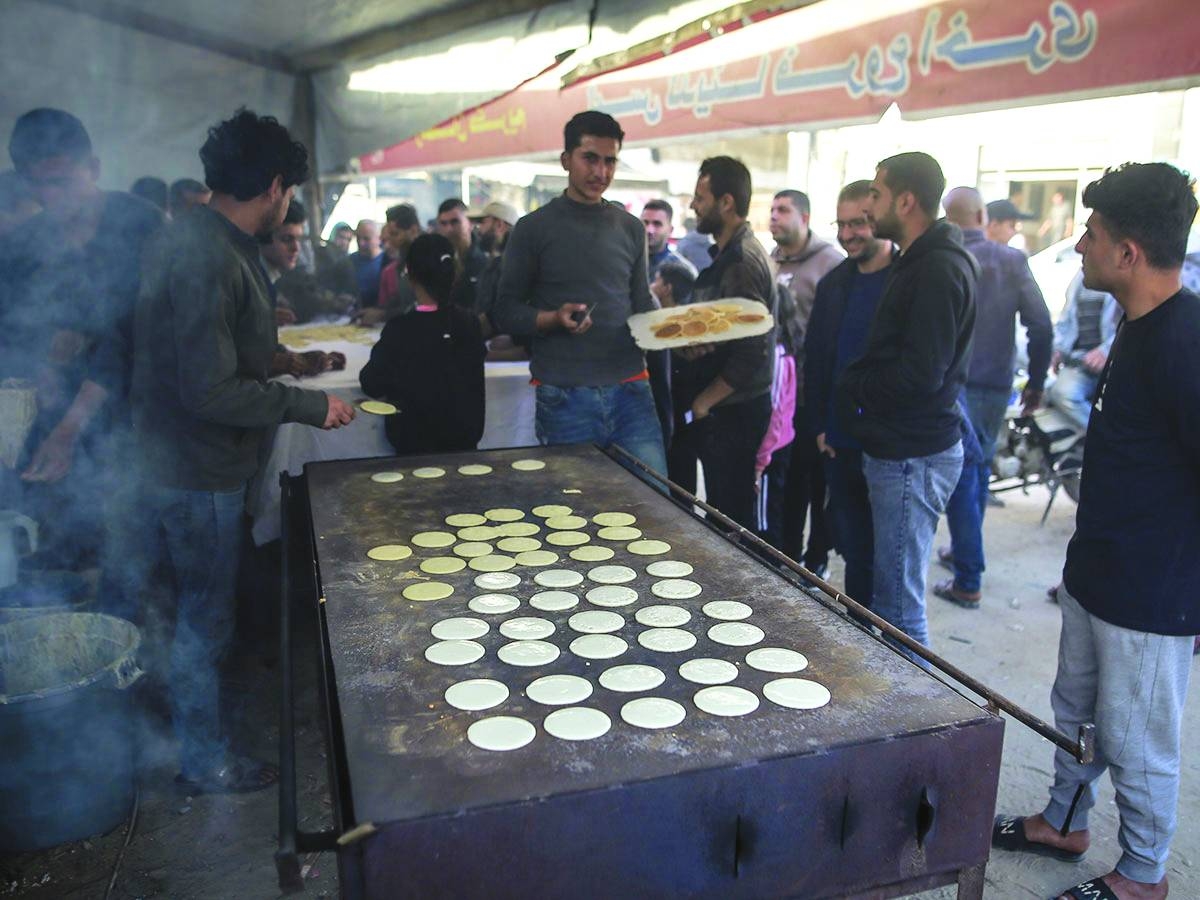
Amid the rubble of destroyed homes and between worn-out tents, residents of the Gaza Strip are welcoming the holy month of Ramadan for the third consecutive time since the outbreak of the Israeli aggression on October 7, 2023. This year, however, they hold onto hope that goodness and peace will prevail during the blessed month following a ceasefire agreement reached last October, despite little change on the ground as humanitarian suffering continues due to the Israeli blockade and restrictions on the entry of sufficient aid. Like Muslims everywhere, the people of Gaza observe Ramadan through prayer and devotion, including performing prayers and reciting the Holy Qur’an. At the same time, Palestinian women and homemakers strive to diversify the Ramadan table with renowned Palestinian dishes, drinks, and sweets that reflect the authenticity and deep-rooted heritage of Palestinian cuisine, alongside newly introduced foods that add variety and break the routine of everyday meals. Culinary traditionsGazans have long held on to culinary traditions and dishes that are inseparable from the holy month. However, the impact of the war, food shortages, and soaring prices — particularly for essential ingredients such as meat, poultry, and fish — has significantly altered Ramadan food customs in the Strip. Some traditional dishes have disappeared altogether due to the unavailability of ingredients or prices that have doubled compared to pre-war levels. Standing at the entrance of her tent in Gaza City, where she now lives with her family after their home was destroyed during the war, 50-year-old Um Bilal Muheisen said that many Palestinian families have inherited cultural traditions, including the preference to begin Ramadan with molokhia served with white rice and stuffed chicken on the first day of fasting. “This tradition has largely faded due to displacement, rising costs, poverty, and the limited means people now have,” she told Qatar News Agency (QNA). She added that the Gaza table was once rich with hearty Palestinian dishes, most notably “maqluba”, Gaza-style fatta made with saj bread (flatbread) soaked in broth and served with white rice and chicken or beef, and various stuffed vegetables. Time-honoured dishes such as maftoul, okra, cauliflower, green beans, stuffed zucchini, and the traditional sumagiyya were also staples of the Ramadan spread. Muheisen also highlighted other dishes that traditionally featured during Ramadan, including musakhan —roasted chicken served on taboon bread with generous amounts of olive oil, onions, and local sumac — which is considered a Ramadan essential. Another celebrated dish is qidra, regarded as one of Gaza’s most distinguished heritage meals. Cooked over fire or in clay pots, it consists of yellow spiced rice prepared with a special blend of Palestinian spices, onions, chickpeas, beef or lamb, and generous amounts of clarified butter. However, she noted that all these culinary traditions have become subject to the harsh economic realities and food shortages caused by the war, which has upended not only homes and neighborhoods but also long-standing dietary customs. Families now rely on limited food and drink options, as poverty and scarce resources prevent them from purchasing the variety and quantities traditionally associated with the holy month. For his part, Chef Moataz Abdo, owner of a well-known restaurant in Gaza City specializing in Eastern and Western cuisine, said the war has profoundly altered Ramadan food traditions and dining rituals that were once deeply rooted in Gaza’s social fabric. He explained that before the war, one of the most prominent Ramadan features at his restaurant was large communal banquets and family gatherings characterized by open buffets and diverse dishes. “All of that was affected last Ramadan,” he told QNA, noting that the difficult living conditions and loss of income among Palestinian families led to a sharp decline in demand for restaurant meals, with many relying instead on what they had at home or on aid distributed to displaced persons. Abdo added that both homes and restaurants in Gaza used to present a wide array of Eastern and Western dishes during Ramadan, particularly rice meals with grilled chicken, various mixed grills, salads, and appetizers such as stuffed kibbeh, grape leaves, tabbouleh, hummus, and an assortment of juices. Traditional beverages commonly served at the Gaza table included carob, hibiscus, tamarind, and qamar al-din, alongside fresh juices made from seasonal fruits. Iftar gatheringsHe further noted that the Ramadan table in Gaza traditionally featured a variety of sweets, most prominently qatayef, Nabulsi kunafeh with cheese, and Arabic kunafeh -one variety of which is produced exclusively in Gaza- along with kolaj, halawet al-jibn, basbousa, and nammoura stuffed with nuts and clarified butter. “Not all families can afford such foods, which are considered relatively expensive,” he said, adding that demand has grown for affordable popular foods such as hummus, foul, falafel, hummus fatta, pastries, and manaqeesh, which remain within reach for many amid the deteriorating economic conditions caused by the war. In the same context, psychologist and social specialist Noha Odeh said Ramadan food traditions in Gaza have been profoundly affected by the war and the resulting poverty, unemployment, and resource scarcity among Palestinian families. “Ramadan in Gaza has traditionally been marked by spiritual, familial, and culinary atmospheres,” she told QNA. “Streets and markets would be filled with countless varieties of food that made their way to family tables, becoming traditional and sometimes newly introduced dishes in line with the evolving Palestinian kitchen. But over the past two years, as we have spent Ramadan amid killing, displacement, hunger, and fear, these manifestations -especially food traditions- have largely disappeared.” Odeh explained that the forced changes imposed by war have affected all aspects of life in Gaza, including Ramadan customs. Communal iftar gatherings, once a hallmark of social solidarity, have nearly vanished, as families can no longer host large meals in their homes-many of which have been destroyed. For many breadwinners, the daily challenge has become securing a single iftar or suhoor meal for their families, while tens of thousands of displaced persons break their fast in shelters or amid the ruins of their homes. She added that iftar, once a social occasion, has become a daily ordeal for thousands of families facing food shortages and relying heavily on limited charitable assistance that often fails to meet the nutritional needs of those fasting. Concluding, Odeh said Ramadan in Gaza is no longer as it once was. Many families who were previously well-off now live in displacement and sorrow. Joy has turned into hardship, and long-standing Ramadan traditions have shifted under the weight of war. Yet despite the immense challenges, Palestinians in Gaza continue to hold fast to their faith and patience, striving to preserve their Ramadan traditions as much as circumstances allow.


Oncology, hematology, surgery, operating rooms, intensive care, and primary health care are among the hardest-hit services.

‘Serious degeneration in health system due to Israeli-imposed Rafah crossing restrictions’

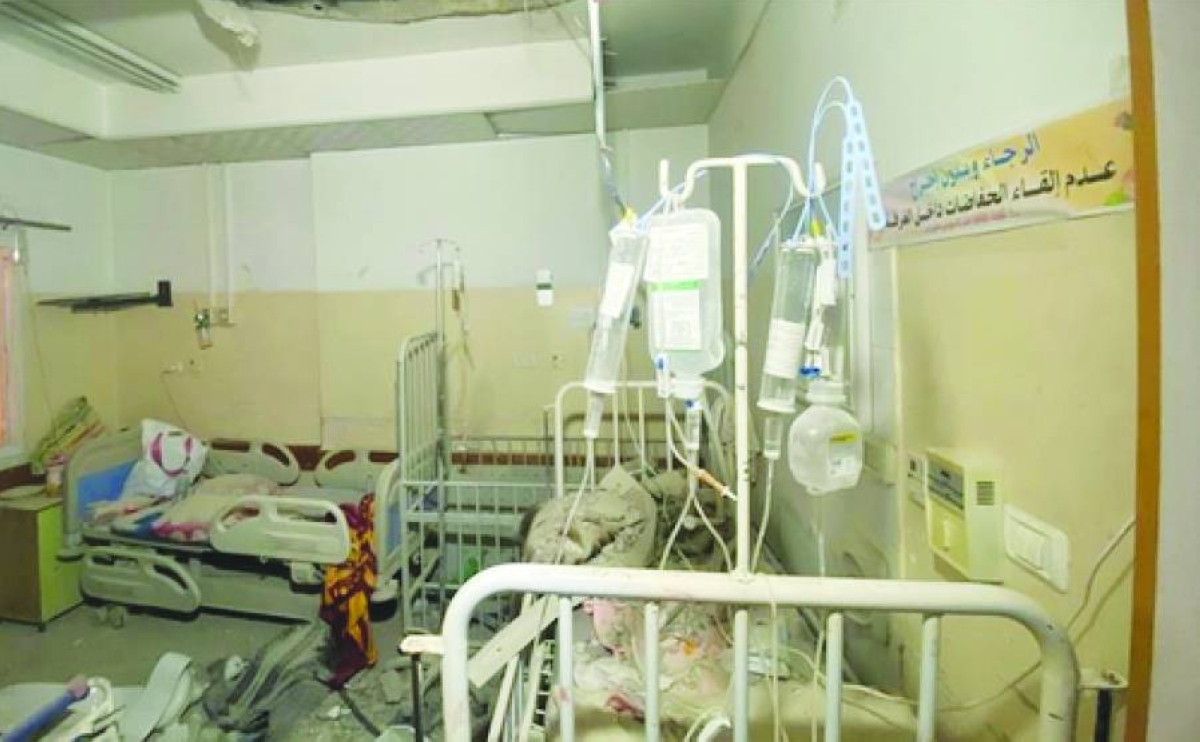
Palestinian Ministry of Health in the Gaza Strip has warned of the serious and rapid degeneration of the health situation in the enclave, stressing that it has reached catastrophic levels that threaten the right to life and health for over 2mn Palestinians. It further cautioned that this situation continues to worsen amid the persistent restrictions imposed on the medical system and targeting its fundamental components after more than two years of a war of extermination. Director General of Hospitals at Ministry of Health in the Gaza Strip, Dr Mohammed Zaqout, told Qatar News Agency (QNA) that what is transpiring in the enclave has no longer become a random health crisis, but rather a direct result of Israeli methodical policies that have led to the decomposition of the health system, converting the remaining operating hospitals into forced waiting zones for thousands of patients and wounded people who are facing an unknown fate. The devastating impact of genocide has made the provision of healthcare a daily miracle and a formidable challenge in front of recovery efforts and the restoration of numerous specialized services, Zaqout pointed out. Zaqout elaborated that over 20,000 patients are waiting to be treated abroad, clarifying that the partial operation of Rafah Crossing does not cater to Gazans considering the humanitarian crisis they are facing, as it continues to function in a limited and restricted capacity amid the worsening health and humanitarian conditions in the Gaza Strip. Operating Rafah crossing with this constrained mechanism, which reduces the number of travelers and decelerates medical evacuation procedures, poses a direct threat to thousands of patients, contributing to the perilous aggravation of the humanitarian and health situation, as well as putting the international community before its legal and moral responsibility, Zaqout said. He called for the permanent and regular operation of Rafah Crossing to ensure the freedom of traffic for both patients and injured Palestinians without restrictions or delay, so as to immediately evacuate them, alongside those with critical cases, in addition to proportionately increasing the number of travelers based on the mounting medical needs in the Strip. Addressing Gaza’s medical reality and the deepening shortage of medicines and supplies, Zaqout said that “stock-zero” levels of drugs and medical consumables have turned even basic painkillers into a luxury for people facing death by the minute. He warned that 46 percent of essential medicines, 66 percent of medical consumables, and 84 percent of laboratory and blood-bank materials are now completely depleted, stressing that the continued halt in laboratory supply deliveries is compounding the crisis in labs and blood banks, threatening to shut them down altogether. Zaqout further added that a range of laboratory tests are now at risk of a complete standstill, including complete blood count (CBC) services, coagulation factor testing, blood gas analysis, microbiology, and cancer diagnostics, stressing that oncology, hematology, surgery, operating rooms, intensive care, and primary health care are among the hardest-hit services. Zaqout noted that the limited quantities of medicines reaching Gaza’s hospitals fall far short of actual needs and are insufficient to sustain health services, clarifying that the situation on the ground in Gaza regarding the provision of healthcare services resembles a daily miracle amid the lack of any true prospect for recovery or restoration of specialized medical services, as long as health enterprises and paramedics are intentionally targeted by the ongoing Israeli war on Gaza. The Israeli occupation still keeps detaining dozens of trained and qualified medical operators who had undertaken a pivotal role during the war by being at the forefront of lines treating wounded and patients despite shelling and shortages of resources, Zaqout pointed out. Most of those medical operators had been detained from inside hospitals while discharging their humanitarian duty and were exposed to harsh and inhumane treatment in an unequivocal violation of all international norms and laws that guarantee their protection, Zaqout noted. He called on human rights and UN organizations, as well as all relevant entities, to urgently intervene and press for the immediate release of detained medical operators inside the occupation’s prisons and ensure their protection so they can perform this humanitarian mission free from targeting or clampdowns. Zaqout further noted that restoring the health situation in Gaza hospitals cannot rely on temporary emergency measures that accumulate menacing impacts, stressing that the crumbling health reality in Gaza requires an urgent and effective international response. The health sector in Gaza is facing a severe and suffocating crisis amid the persistent ban on access to medicines and medical essentials, along with the Israeli targeting of medical crews through murder and detention throughout the two-year war on the Strip, as well as the methodical devastation of key hospitals. These facts are corroborated by reports from the UN and human rights institutions, which gave a heads-up about the impending all-out collapse of the health system, rendering it incapable of meeting the needs of Gaza amid the staggering upsurge in the number of patients and wounded people, triggering the need for urgent medical interventions.