


Qatar’s sustained investment in culture and the creative industries has made it a model for other countries to emulate, a senior United Nations Educational, Scientific and Cultural Organisation (Unesco) official has said, adding that the country is already reaping the economic rewards.
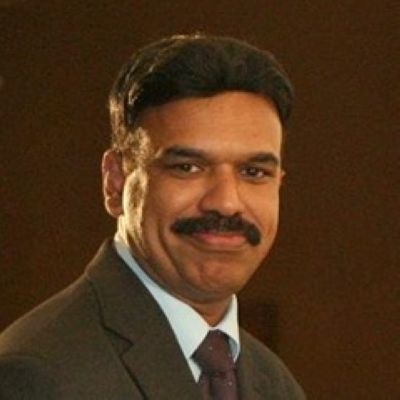
In an exclusive interview with Gulf Times, Nayef al-Fayez, Unesco’s assistant director-general for culture, said the investment had opened up a wealth of economic and creative opportunities, both in the region and further afield.
“Qatar has been focusing on investment in culture and the creative industries for some time. Qatar has taken the lead in such initiatives, and it is evident when we look at the country’s art and cultural landscape,” he said.
“Qatar is already reaping the benefits of what it has invested. It is great to see such initiatives contribute to the country’s economy in a big way. We are seeing this in the country, and it is visible to audiences around the world.”
The experience of countries such as Qatar, he said, could offer useful lessons to other nations seeking to build their own cultural and creative industries.
“It is important for us to continue that focus, bring the knowledge and the know-how, and say that the successes we have seen in countries such as Qatar could also be replicated in other countries that are less fortunate,” he noted.
However, he cautioned against applying a single investment model to every country, saying approaches must be adapted to local circumstances, the needs of different cultural sectors and the requirements of individual artists.
“There is no one model. There are different models that have to cater to different areas and to different artists,” he said.
The Unesco official, who was in Qatar to attend the World Investment Forum, said culture had received little attention at previous editions of the forum. That made its inclusion this time particularly significant, he said, given the participation of numerous international and regional organisations, institutions, private-sector representatives and official entities.
Discussions on culture as an investment opportunity, he said, were important in highlighting the economic potential of a sector traditionally associated with preserving heritage and passing traditions on to future generations.
“Culture holds much more than the preservation of tradition and passing it on to generations to come. It is also about the financial opportunities that come with it,” he said.
Calling for stronger partnerships between governments, the private sector, artists and local communities to unlock investment in culture and the creative industries, al-Fayez said bringing these players together with international organisations was essential to building a sustainable cultural economy. Cultural development, he stressed, required approaches tailored to the sector’s specific needs.
He observed that artists and creative professionals had talent, expertise and intellectual property, but often lacked access to the financing needed to develop their work and expand their businesses.
Unesco’s work in the field, he explained, was guided by two key conventions addressing different but complementary aspects of culture. The first, the 2003 Convention for the Safeguarding of the Intangible Cultural Heritage, focuses on keeping living traditions active and passing them on to future generations. The second, the 2005 Convention on the Protection and Promotion of the Diversity of Cultural Expressions, supports the creative arts and artists.
Unesco’s role, he said, was to provide a platform where governments, private investors, artists, creators and communities could come together to develop opportunities for collaboration and mobilise the necessary financing.
“The next step would be to strengthen these partnerships and ensure that the benefits of cultural investment extend beyond a limited number of countries or regions,” he added.

