
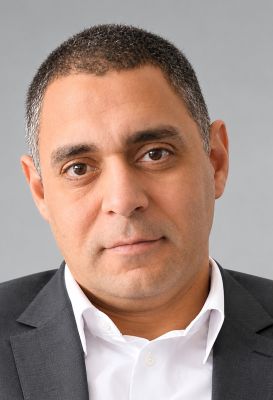


Qatar has called for the establishment of a new regional security framework based on respect for state sovereignty and mutual non-aggression, stressing that sustained dialogue and diplomatic engagement remain the most effective means of resolving regional crises and ensuring long-term stability, Ibrahim bin Sultan al-Hashimi, director of the Media and Communication Department at the Ministry of Foreign Affairs (MoFA), has said.
Speaking at the MoFA’s weekly media briefing, he said that Qatar, in co-ordination with regional and international partners, continues to reduce tensions and advance a comprehensive diplomatic solution.
Al-Hashimi said the region needs a security arrangement that respects all states’ sovereignty and upholds the principle of non-aggression, adding that Qatar and the other Gulf Co-operation Council (GCC) countries have consistently expressed readiness to help establish such a framework.
However, he stressed that developing Qatar’s defence capabilities is not linked to any particular crisis or situation, as it is part of an ongoing strategy to strengthen deterrence and safeguard national sovereignty.
These efforts proved effective during the latest regional escalation, when Qatar’s defence systems successfully repelled the attacks, allowing daily life and economic activity to continue without disruption.
Al-Hashimi noted that Qatar’s diplomatic efforts, together with Pakistan’s, complement the initiatives undertaken by Saudi Arabia and the “Makkah Alliance” to de-escalate tensions and bring the region out of its current state of uncertainty.
He said responsibility now rests with Iran to demonstrate its commitment to the principles of regional security and non-aggression through concrete action.
Despite some positive statements from Tehran, al-Hashimi said these must translate into practical measures, including ending threats against countries in the region and guaranteeing freedom of navigation through the Strait of Hormuz. Such steps would help create the conditions necessary for a secure and prosperous region.
Regarding the recent visit by a Qatari delegation to Tehran, al-Hashimi said that the visit is part of Qatar’s continued consultations with partners and ongoing mediation efforts.
He described these efforts as progressing positively, with the primary objective of reducing escalation and ending regional tensions through diplomatic engagement.
Al-Hashimi acknowledged that statements from both the United States and Iran had raised the prospect of further escalation.
However, he pointed to parallel calls for diplomatic solutions through dialogue, stressing that this remains the central focus of Qatar, Pakistan and their regional and international partners.
The ultimate objective is to reach a sustainable agreement that resolves the crisis comprehensively and brings it to a definitive end.
Commenting on the successive statements exchanged between Washington and Tehran, al-Hashimi said that a diplomatic mediator’s role is to identify common ground, build on positive developments, and bridge differences between the parties.
Such efforts, he added, are essential to achieving mutually acceptable outcomes that can resolve the crisis sustainably while safeguarding the freedom and smooth flow of international maritime traffic through the Strait of Hormuz. Al-Hashimi stressed that mediators remain committed to keeping open a “window of hope”, firmly believing that a lasting and effective solution can only be achieved at the negotiating table.This requires sustained collective efforts to promote calm, reduce tensions and address outstanding issues through peaceful diplomatic means.