

A Qatari systems integrator is expanding local engineering capacity to handle Level 1 and Level 2 maintenance internally, reducing reliance on overseas support to ensure critical aviation infrastructure operates at high efficiency.
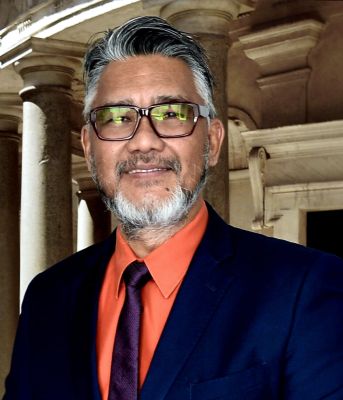
Speaking to Gulf Times on the sidelines of Milipol Qatar 2026 at the Fusion Group Holding pavilion, Alan Bou Rjeily, director at Fusion Technology, stated that developing in-house technical talent allows Qatari firms to respond immediately to operational faults across military and civil airports.
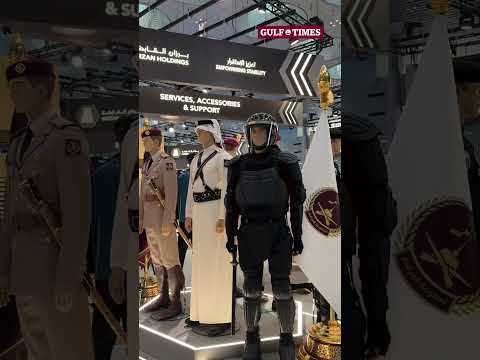
Milipol Qatar 2026, the global exhibition for homeland security and safety, concludes Thursday at the Doha Exhibition and Convention Centre.
Bou Rjeily noted that building sovereign technical capabilities requires local teams to move from reactive maintenance to a proactive stance, utilising sensor tracking to predict equipment failure before it occurs.
“Once you are a system integrator, your main task is to be very close to the customer and be the first line of response to any fault or maintenance,” he explained.
To support this maintenance framework, Fusion Technology’s internal research and development team has created proprietary artificial intelligence (AI) software and algorithms to help engineers troubleshoot faults, Bou Rjeily said.
He pointed out that while AI is not yet applied directly to air traffic control systems, it is used internally for root-cause analysis and in apron areas to monitor safety.
Bou Rjeily emphasised that the company intends to pitch its locally developed maintenance algorithms to international partners for global commercialisation.
“We plan to present it first to our partners and convince them of its value. And if our partner adopts the solution, we may commercialise it,” Bou Rjeily said.
Beyond domestic infrastructure, Fusion Technology is targeting regional growth across the GCC, backed by established offices in Oman and the UAE, alongside future expansion plans in Africa.