



Qatar has put children at the centre of its humanitarian diplomacy, declaring that their access to food, healthcare and education must never be held hostage to political calculations, however entrenched the conflict.
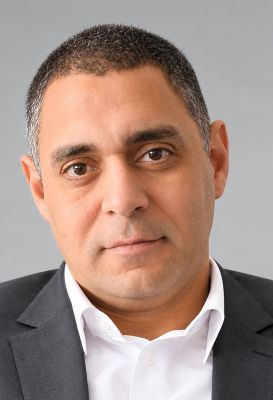
Speaking at the opening of a workshop in Doha, HE the Minister of State for International Co-operation Dr Maryam bint Ali al-Misnad said Qatar had made dialogue, mediation and humanitarian diplomacy key pillars of its foreign policy, positioning the country as a trusted bridge-builder in some of the world’s most intractable crises.
The workshop brought together policymakers, diplomats, humanitarian leaders, mediators, legal experts, practitioners and academics to chart practical ways of improving child-sensitive humanitarian access in conflicts and crises.
HE Dr al-Misnad said Qatar’s mediation experience had repeatedly shown that keeping channels of communication open, even in the most difficult circumstances, could unlock vital opportunities to protect civilians and streamline humanitarian work.
She said the protection of children could serve as common ground even when political positions remained far apart, insisting that safeguarding children’s access to food, healthcare and education was a humanitarian responsibility that must sit above politics, not beneath it.
HE Dr al-Misnad cautioned that restrictions on humanitarian operations, the obstruction of aid, and attacks on humanitarian and medical workers and facilities had become entangled in the wider political and security fault lines running through many of today’s conflicts.
She said children were acutely vulnerable to any disruption in food, water, healthcare, education and protection services, warning that even brief delays could leave lasting psychological and physical scars.
HE Dr al-Misnad stressed that children’s needs must be woven into the fabric of humanitarian access negotiations from the outset, rather than treated as an afterthought once agreements or arrangements have already been struck.