



Qatar recorded a 559% increase in foreign direct investment (FDI) inflows to $3bn in 2025, up from $0.5bn in 2024, placing the country among the top three destinations in the Gulf Cooperation Council (GCC) on a per-capita basis.
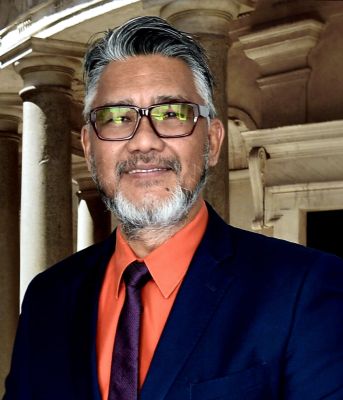
“If we look at individual member states, we see that if we're looking at total numbers, the UAE is leading, followed by Saudi Arabia, Oman, and then Qatar. These are aggregate values. If we were to adjust them on a per capita basis, Qatar would be in the top three,” according to Dr Vincent Beyer, legal officer, Investment Policy and Agreements at the UN Trade and Development (UNCTAD).
Beyer presented the figures by during a recent press briefing in Doha highlighting key data from the World Investment Report 2026.
Globally, FDI flows grew 6% in 2025, moving from $1.5tn to $1.6tn. However, capital allocation has grown increasingly concentrated across specific geographies and industrial sectors, according to Beyer.
Within the GCC, Beyer noted that total capital inflow expanded substantially over the past decade. The region secured 6% of global FDI in 2025, up from 1% in 2015, representing a six-fold increase in market share.
Data shared by Beyer showed that total FDI inflows to the GCC reached $98.5bn in 2025. The UAE attracted $48.2bn, Saudi Arabia recorded $32.6bn, Oman secured $13.3bn, Qatar received $3bn, Bahrain registered $0.8bn, and Kuwait stood at $0.5bn.
Sectoral data for greenfield investments in the GCC indicates a swift rebalancing toward digital infrastructure, Beyer reported.
Between 2021 and 2025, he said greenfield announcements in information and communication technologies (ICT) rose to $44bn, climbing close to the $45bn directed into energy and gas supply.
Extractive industries recorded $33bn, automotive projects garnered $24bn, and construction brought in $22bn over the same period, Beyer also said.
“If we're looking at Qatar specifically, the three sectors that drove the FDI numbers in Qatar are chemicals, energy, and then ICT investment,” Beyer explained.
Beyer noted that government strategies globally have adjusted to attract specialised projects. Selective incentives now constitute 50% of targeted investment policy measures worldwide, while national screening mechanisms for foreign capital increased from 21 countries in 2016 to 52 in 2025, he said.
Capital commitment globally remains heavily focused on five strategic fields: advanced technologies, critical minerals, energy transition, semiconductors, and artificial intelligence infrastructure. These sectors accounted for 44% of global FDI flows in 2025, up from 16% in 2020, Beyer pointed out.
Beyer observed that top donor countries generate nearly three-quarters of investments in these strategic fields, while the top three receiving nations capture over half of all commitments.

