
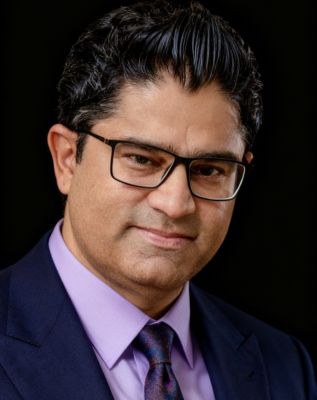



HE Prime Minister and Minister of Foreign Affairs Sheikh Mohammed bin Abdulrahman bin Jassim al-Thani flies to Tehran today for talks with senior Iranian officials, carrying Doha's case for de-escalation directly to the Iranian capital at a moment when the Strait of Hormuz has been shut to normal traffic for close to six months.
Announcing this in a post on X yesterday, Advisor to the Prime Minister and Spokesperson for Ministry of Foreign Affairs HE Dr Majed al-Ansari tweeted: "HE the Prime Minister Sheikh Mohammed Abdulrahman bin Jassim al-Thani will arrive in Tehran tomorrow (Thursday), where he will meet with a number of Iranian officials to discuss ways to de-escalate tensions & create the conditions conducive to dialogue.”
“The visit”, he tweeted, “comes in line with the State of Qatar's firm position that the diplomatic path is the best means of resolving differences & promoting security & stability in the region. The discussions will also address freedom of navigation in the Strait of Hormuz & the need for it to return to the status quo prior to February 28."
The last clause fixes the yardstick for any maritime settlement not at a negotiated corridor or a supervised lane, but at the waterway as it operated before the war began.
The visit caps months of Qatari diplomacy against all odds. At the Ministry of Foreign Affairs' weekly media briefing on Tuesday, al-Ansari said Doha had kept its channels open across the region and beyond in an effort to coax Washington and Tehran back to the table, and had cautioned from the first days of the crisis that the damage from any escalation would not stop at the region's edge but would reach the world economy.
He set out what Qatar wants from a settlement: shipping moving normally through Hormuz again, energy and food supplies protected, and supply chains left intact. None of it, he said, is reachable except through a comprehensive diplomatic solution — one that stabilises the region while leaving every party's core interests unharmed, with freedom of navigation restored under international law.
The diplomacy is running into a hardening backdrop. Washington has begun a fresh sanctions drive against Iran that reaches across aviation, shipping, technology, gold and digital assets, while US President Donald Trump has declared the strait clear of mines and vowed to sink any vessel that tries to lay more. "We are watching every square inch of the strait," he said.
Gulf co-ordination has run alongside the Iranian track. Contacts and meetings among GCC states have not let up since February. The Gulf states are working closely together on reading threats and tracking the escalation and all six back a peaceful outcome. Qatar's own line to Iran is part of that mediation aimed squarely at getting negotiations restarted.
Today's arrival adds to a crowded few days in the Iranian capital, which has received a string of senior visitors including Oman's foreign minister and Pakistan's army chief.
An earlier truce brokered by Islamabad held from April 8, but the talks that followed never converted it into a durable settlement.
The argument Qatar has made throughout is the one the prime minister will take into his meetings: that diplomacy is the only route that holds, and that a channel carrying roughly a fifth of the world's oil cannot be left sitting on the table as a bargaining chip.