
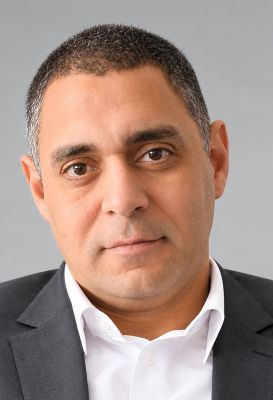



Qatar has continued regional efforts and contacts with various parties to encourage a return to negotiations between the United States and Iran, Advisor to the Prime Minister and Spokesperson for Ministry of Foreign Affairs HE Dr Majed al-Ansari said yesterday.
Speaking at the Ministry of Foreign Affairs' weekly media briefing, Dr al-Ansari said Qatar had warned since the start of the crisis of the far-reaching consequences of any escalation, extending beyond the region to the global economy, and reaffirmed the country's continued support for diplomatic solutions and de-escalation.
On US statements regarding economic sanctions on Iran, he said Qatar and other regional states had from the outset cautioned against economic repercussions of war and escalation. Qatar's priorities include restoring normal navigation through the Strait of Hormuz, safeguarding global energy and food security, and protecting the integrity of supply chains — objectives achievable only through a comprehensive diplomatic solution, he stressed.
Dr al-Ansari noted the sanctions under discussion do not directly affect Qatar. Doha adheres to the international sanctions framework and engages positively with measures adopted within it, while sovereign decisions by states remain linked to regional developments and consensus-building efforts, he said, clarifying that the sanctions in question were imposed by a specific party rather than through the United Nations. Qatar's position is based on supporting negotiations and diplomatic solutions rather than taking sides, he added, stressing the importance of all parties engaging in dialogue to end the crisis.
On statements by some Iranian officials concerning the targeting of regional countries, Dr al-Ansari reaffirmed Qatar's categorical rejection of such remarks, warning that any attempt to draw regional countries into existing conflicts would only fuel further escalation. He stressed that Qatar, through all its institutions and armed forces, remains fully prepared to defend its security and sovereignty against any attack, regardless of source or justification, reiterating Doha's rejection of any threat to regional security or stability.
On Gulf co-ordination, Dr al-Ansari said contacts and meetings among GCC member states have continued since the crisis began. He cited the prime minister's visit to Riyadh the previous week, where he met Saudi Foreign Minister Prince Faisal bin Farhan bin Abdullah al-Saud, adding that there is a high level of co-ordination among Gulf states in addressing potential threats and monitoring the escalation. All GCC states support a peaceful solution, he said, explaining that Qatar's direct communication with Iran forms part of its mediation efforts and its push for resumed negotiations.
On the Strait of Hormuz, Dr al-Ansari stressed the need to restore freedom of navigation and maritime passage in line with international law, adding that the crisis requires a political and diplomatic approach that ensures regional stability while protecting the shared interests of all parties.
Reacting to a *Financial Times report on reductions in government entity budgets and cuts to Qatar's foreign aid funding, Dr al-Ansari said the figures cited were inaccurate and many had been taken out of context. He urged media organisations to refer to official sources when verifying announced figures, adding that forthcoming economic indicators and growth figures would demonstrate the strength of the Qatari economy and its ability to manage current developments.
He explained that references to budget reductions of up to 30% relate to precautionary measures adopted at the start of the regional crisis, similar to steps typically taken by countries facing exceptional or escalatory circumstances. The percentage applies only to operating expenditure and excludes salaries, capital projects and development plans. The state's first priority, he said, was ensuring the lives of citizens and residents remain unaffected, including the availability of products, continuity of supply chains and payment of salaries. Qatar continues to enjoy normal economic activity despite regional challenges, he said.
The second priority is ensuring the continuity of national development projects and preventing their suspension for any reason, with such projects proceeding according to plan, he added. All measures adopted by the state remain precautionary steps necessitated by ongoing regional circumstances, Dr al-Ansari confirmed, describing the economic measures as temporary and linked only to operational costs amid the current escalation, not a change in the structure or strategic direction of the Qatari economy.
On Israel's position regarding the second phase of the Gaza ceasefire agreement, Dr al-Ansari said Qatar has repeatedly stressed the need to pressure Israel into accepting the proposed plan and proceeding with implementation. Developments on the ground in Gaza and the West Bank do not reflect positive co-operation with ongoing efforts, he said, adding that mediators, led by Qatar and the United States, continue working to ensure agreed commitments are implemented, advance the plan's remaining stages and achieve further progress towards de-escalation.
On the peace process in the Democratic Republic of the Congo, Dr al-Ansari welcomed progress achieved by the parties involved in mediation, as reflected in the statement issued after meetings hosted by Switzerland on implementing the roadmap and completing negotiations on the remaining protocols. He reaffirmed Qatar's commitment to continuing its support for efforts towards comprehensive and lasting peace in the DRC, commending the parties' positive engagement and reaffirming Doha's support for international and regional initiatives to advance the peace process.