
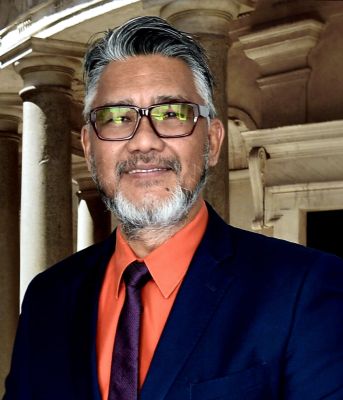



Qatar’s long-term competitive edge in the digital economy lies not just in cybersecurity investment but in building a culture of digital trust, according to Gem Soft CEO Michael Jordan.
“Qatar is in a position to become a regional leader in digital trust rather than simply cybersecurity,” Jordan told Gulf Times, noting that the distinction matters as cyber threats grow more sophisticated across the region.
A recent survey by cybersecurity and antivirus provider Kaspersky found that more than a third of internet users in the Middle East, Turkiye, and Africa fell victim to online scams in the past 12 months, even as “80%” expressed confidence in their ability to identify them.
“Trust is ultimately what drives investment, innovation, and economic growth,” Jordan emphasised.
He continued, “The country’s investments in infrastructure, cloud technologies, digital government, and cybersecurity provide a strong foundation. The next step is demonstrating how secure communications, trusted digital identities, and resilient digital ecosystems can support both economic competitiveness and national security.”
Jordan said control over communications infrastructure has become a strategic asset on par with energy security or financial stability, and that building local capacity is central to achieving the digital resilience goals outlined in Qatar National Vision 2030.
“Building local capacity creates expertise, intellectual property, and operational control within the country. It reduces dependency on external platforms and allows organisations to align communications and data governance with national priorities,” he noted.
On homegrown solutions, Jordan said imported technologies have value but fall short of what countries need for lasting resilience. He explained, “Nations that develop their own intellectual property gain a deeper understanding of their security requirements and greater flexibility in responding to emerging threats.”
He said, “Local innovation also creates economic value through skilled employment, research, entrepreneurship, and technology exports. The strongest digital economies combine global partnerships with strong domestic capabilities.”
Jordan said meaningful progress also requires structured collaboration across government, academia, and the private sector: “Cybersecurity is one of the clearest examples of where collaboration creates a multiplier effect. Governments establish strategic direction and standards.
Universities develop talent and research capabilities. The private sector delivers innovation and practical implementation.”
He also said, “Qatar has an opportunity to create a model ecosystem where these three pillars work together to develop local expertise, create intellectual property, and strengthen national resilience
Jordan said his confidence in Qatar’s direction was grounded in what the country has already demonstrated. “Qatar has consistently demonstrated an ability to think beyond immediate challenges and invest in long-term national priorities. Cyber threats will continue to evolve, but so will the technologies, talent, and institutions designed to address them,” he stated.
The goal, he added, is not to eliminate risk but to build resilience: “Qatar is already doing that through investments in secure infrastructure, education, innovation, and digital trust. Those foundations position the country not only to protect its digital economy but to become a regional benchmark for trusted digital transformation.”