



Qatar is set to become a regional hub for internationally accredited cancer training, with the Qatar Cancer Society (QCS) preparing to launch a certification programme aimed at healthcare professionals from across the Middle East, Africa and Asia, Gulf Times has learnt.
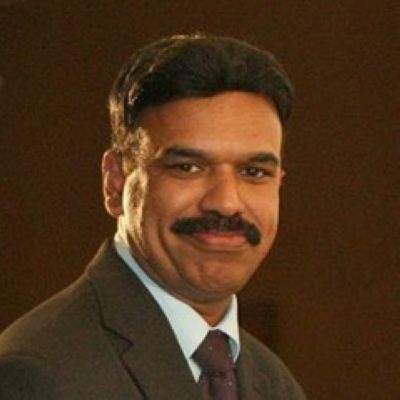
In an exclusive interview, QCS chairman Sheikh Dr Khalid bin Jabr al-Thani said the society is in advanced talks with leading international institutions to host specialist programmes in Doha — sparing physicians and specialists from developing countries the cost and disruption of travelling to the West for high-level qualifications.
"We are launching a new programme to make cancer treatment training available here in Qatar for healthcare professionals from Qatar as well as those from the region and developing countries in Africa and Asia," Sheikh Khalid said. "We are now targeting a higher level of training in collaboration with a lot of international institutions. We might host one or two institutions to do special programmes here in Qatar."
"We are planning to set it up sometime very soon. But now I cannot say it for sure due to the prevailing geopolitical turbulences. Once the situation improves, we will be launching the programme for training and certification with participants from around the world," Sheikh Khalid revealed.
He said this will help healthcare professionals in a big way from the region and developing countries. "Rather than requiring healthcare professionals to travel to many of the western countries, the society aims to bring internationally accredited programmes to Doha. This initiative will enable physicians and specialists from across the Middle East, Africa and other countries from Asia and beyond to receive high-quality training in Qatar, often delivered by global experts. Participants will gain certifications recognised by leading international institutions, enhancing both their skills and career prospects," he continued.
The QCS chairman highlighted the impact of the initiative in various other aspects. He explained: "It also carries a humanitarian dimension. The society plans to extend opportunities to professionals from developing countries, particularly in regions where access to advanced medical training is limited. While some programmes may involve fees, efforts will be made to accommodate eligible participants with necessary assistance, reinforcing the organisation's commitment to global health equity."
Sheikh Khalid said that QCS has grown into a diverse organisation from its humble beginning in 1997. "Currently we have a team of over 100 professionals representing various disciplines and backgrounds. The society has evolved into a diverse and multicultural organisation. This diversity strengthens its ability to address complex healthcare challenges and engage effectively with different communities," he stated.
According to the chairman, QCS — with all its achievements in several fields — maintains a grounded and realistic vision of reducing and trying to prevent the disease through awareness and diagnostic practices. He remarked: "We are emphasising on measurable and impactful objectives. This includes reducing the incidence of cancer and promoting early detection. By focusing on prevention and timely diagnosis, the organisation seeks to improve survival rates and enhance the quality of life for patients."
Sheikh Khalid said there should be a pragmatic approach in dealing with and fighting the challenges that arise out of cancer. "This reflects a deep understanding of the challenges ahead. Cancer remains a global health issue, but through innovation, collaboration, and sustained commitment, the Qatar Cancer Society is demonstrating how targeted efforts can make a meaningful difference," he highlighted.
Looking ahead, the chairman said QCS is guided by a long-term strategic vision aligned with Qatar National Vision 2030. "While a broader 10-year framework sets the direction, the organisation operates through flexible five-year plans," he noted. "This allows for continuous evaluation and improvement. By analysing outcomes from previous years and adapting to emerging challenges, the society ensures that its initiatives remain relevant and effective."
The QCS chairman said academic partnerships play a central role in its mission to fight the disease effectively. "Collaborations with institutions like Qatar University and Hamad Bin Khalifa University, along with other universities under the Qatar Foundation umbrella, ensure that education and research remain integral to cancer awareness and prevention efforts. These partnerships enable continuous programme delivery and innovation, bridging the gap between academia and practical healthcare applications," he underlined.
"As it continues to evolve, QCS stands as a model for healthcare organisations and how they can adapt in a post-pandemic world — leveraging technology, strengthening partnerships, and placing people at the heart of every initiative," he added.

