



Qatar’s heritage sector is redefining preservation by embracing advanced fabrication technologies, with 3D printing now positioned as a strategic tool rather than an experimental curiosity, according to a Doha-based advanced fabrication and experiential production studio.
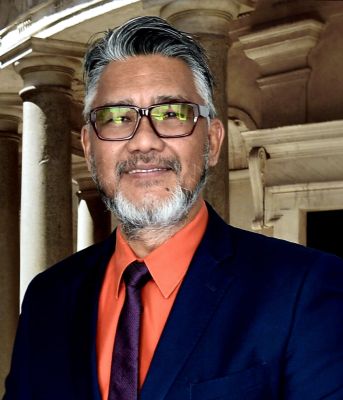
“A decade ago, additive manufacturing was experimental. Today, it is integrated into advanced fabrication ecosystems across architecture, engineering, industry, and cultural institutions,” Khalid al-Saegh, co-founder and chairman of Vectorize, told Gulf Times in an exclusive interview.
The shift has been most visible in cultural and museum environments, where replicas and installations are enabling wider public access to fragile artefacts, stated al-Saegh, citing a recent collaboration between Vectorize and the Museum of Islamic Art (MIA).
Demand is also rising in high-impact public installations, institutional architectural models, and industrial prototyping, al-Saegh noted, adding that “cultural heritage and experiential spaces are among the fastest growing sectors.”
According to al-Saegh, Qatar’s sustained investment in culture, education, and innovation has created fertile ground for studios like Vectorize to deliver institutional-grade work. By piloting advanced fabrication methodologies, al-Saegh explained that institutions are blending heritage with technology to expand accessibility while safeguarding authenticity.
“Institutions are willing to pilot advanced fabrication methodologies, creating opportunities for studios like ours to deliver high-level, institutional-grade work,” al-Saegh said.
This approach distinguishes Qatar’s heritage strategy from others in the region. Rather than isolating conservation from technology, the country integrates preservation with innovation, said al-Saegh, who added: “Institutions here actively explore how digital fabrication can enhance accessibility while respecting authenticity.”
Asked how 3D printing contributes to the knowledge economy, Farid Mahfouz, co-founder and CEO, pointed out that the implications extend beyond cultural preservation into the knowledge economy.
Mahfouz emphasised that advanced fabrication supports localised production, reduces import dependency, and enables on-demand manufacturing. It also fosters engineering and technical skill development and sustainable material workflows, he stated, emphasising that “it directly aligns with knowledge-based economic growth.”
Regionally, museums are increasingly open to technology as a complement to conservation, noted Mahfouz. He said successful collaborations in Qatar have boosted confidence across the Middle East, encouraging institutions to view replication projects as heritage experiences rather than mere reproductions.
“The key lesson is structured collaboration. When historians, engineers, designers, and institutional leaders align early in the process, the outcome elevates from replication to heritage experience,” Mahfouz said.
Mahfouz said Vectorize positions itself internationally through a blend of regional cultural literacy and technical expertise. The studio’s distinction, he explained, lies in combining deep knowledge of Islamic geometric art with advanced hybrid fabrication capabilities and institutional-level production standards.
“We translate heritage into precise physical experiences. That is the Qatar advantage,” Mahfouz stressed.
Mahfouz said the studio is anticipating opportunities in immersive museum installations, tactile accessibility projects, and experiential learning environments. Large-scale cultural fabrication in Qatar and Saudi Arabia is also on the horizon, he said, adding that
“The future of heritage is not only preservation – it is experience.”

