



While chief executive officers across the world have expressed concerns about the potential for artificial intelligence (AI) to displace jobs, particularly at junior levels, CEOs in Qatar see AI as a powerful driver of job creation.
‘PwC’s 29th Global CEO Survey: Qatar findings’ showed that CEOs here believe that the integration of AI technologies can lead to the emergence of new roles and opportunities, fostering an environment where innovation and growth can thrive.
The survey pointed out that this “overall confidence in AI use among businesses” in the country mirrors the government’s firm resolve in utilising AI “as a cornerstone of [Qatar’s] economic and strategic future, including the steady development of the nation’s AI ecosystem as part of its broader digital transformation agenda.
“Its leadership has embedded AI across government, energy, healthcare, education, and urban development sectors,” the survey noted.
“In Qatar, 84% of CEOs report having clearly defined roadmaps for AI initiatives, 81% cite a strong organisational culture that supports AI adoption, and 77% say they have access to the right technology environment to integrate AI at scale,” according to the survey.
“As a result, AI is being embedded across core business functions, from demand generation and fulfilment to support services and directly into products, services, and customer experiences. Nearly three-quarters of CEOs in Qatar have reported increased revenue as a direct impact of AI, significantly higher than 29% of their global peers,” the survey continued.
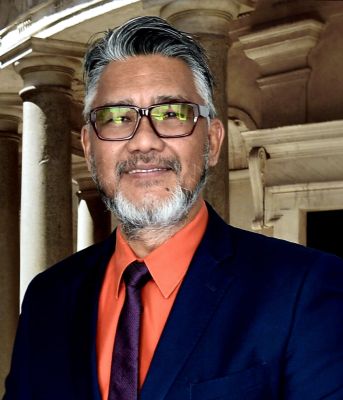
Bassam Hajhamad, Qatar Country senior partner and Consulting lead, PwC Middle East, stated: “CEOs in Qatar are entering the next phase of growth with exceptional confidence, clarity of direction, and long-term purpose. Sound economic diversification policies, a strong focus on non-hydrocarbon sectors, and sustained investment in human capital continue to reinforce Qatar’s forward-looking vision.”
Hajhamad added: “As new investment opportunities open, business leaders are scaling AI, pursuing strategic acquisitions, and aligning closely with national priorities to drive efficiency and build a more innovative, resilient, and competitive economy.”
According to the survey, CEOs in Qatar take a different view from chief executives globally, who are concerned that AI may displace jobs, particularly at junior levels.
“Many see AI as a catalyst for net job creation. This confidence reflects not just corporate optimism, but alignment with Qatar’s broader national workforce strategy,” the survey emphasised.
It also stated, “The Qatar Digital Agenda 2030 aims to create more than 26,000 jobs in the Information and Communications Technology sector by 2030 and increase the ICT contribution to non-oil GDP by QR40bn. There are targeted programmes to attract, develop, and retain digital talent, ensuring that workforce growth keeps pace with technological ambition.
“Early initiatives, such as the ‘Ouqoul’ platform, are expected to evolve by 2026 into more data-driven tools that support national workforce planning, streamline the hiring of graduates from universities in Qatar, support private-sector recruitment beyond nationalisation programmes, and help employers access a broader pool of qualified talent.”
The survey stated that Qatar “envisions a bold and distinctive future" by 2030, shaped by strategic foresight and innovation across sectors. It also reported that “nearly half of the CEOs surveyed in Qatar” viewed innovation as a critical component of their business strategy, the same as their global peers, but they demonstrated a significantly higher appetite for experimentation and collaboration.
In addition, “68%” of CEOs indicated they were open to testing new ideas with customers or end-users (against a global average of “31%”); “93%” would collaborate with external partners, such as research and academia, to accelerate innovation (vs “33%” globally); and “32%” would tolerate high risk in innovation projects (ahead of “25%” globally).
“The mindset is already translating into outcomes: more than half of CEOs (52%) report that over 10% of their revenues now come from new products or services. Innovation hubs, such as the TASMU Innovation Lab, connect public-sector priorities with Qatar’s growing R&D ecosystem and global technology partners, helping translate experimentation into tangible, scalable solutions,” the survey added.