



- The first Middle East edition redefines its creative landscape
Qatar is set to make history next month as it becomes the first Middle Eastern nation to host Art Basel, the world’s most prestigious contemporary art fair. The inaugural Art Basel Qatar, from February 5–7 at Msheireb Museums and M7 in Doha, marks a turning point for the region’s cultural scene and underscores Qatar’s rise as a global hub for artistic exchange and innovation.
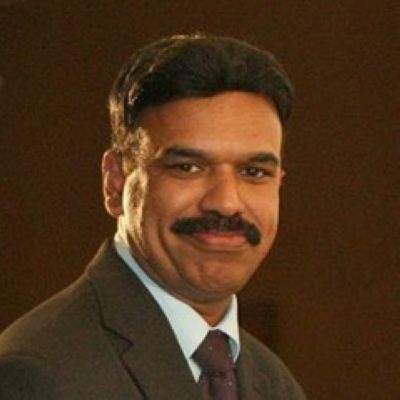
Wael Shawky, artistic director of Art Basel Qatar, said the country’s long-term investment in cultural infrastructure and its growing community of collectors made it a “natural choice” for the fair’s regional debut. “Qatar’s comprehensive arts ecosystem — from education and institutions to public engagement — creates the right conditions for an art fair to thrive,” he told Gulf Times in an exclusive interview.
“Qatar has invested seriously in cultural infrastructure over a long period of time, building a comprehensive arts ecosystem that supports artists through education, exchange, and sustained support. For Art Basel, this kind of long-term commitment matters,” Wael Shawky, artistic director, Art Basel Qatar, told Gulf Times in an exclusive interview.
Shawky said it creates the right conditions for an art fair to function not only as a marketplace, but as part of a broader ecosystem - one that connects artists, institutions, collectors, and the public in a meaningful way.
“Equally important is the region’s growing, internationally oriented collector base and strong tradition of patronage. These conditions make Qatar an ideal place to develop an Art Basel fair that is both globally connected and deeply rooted in its local context,” he underlined.
According to Shawky, Art Basel Qatar is distinct because it is curatorially driven and artist-centred. “This is the first Art Basel fair to operate under such a strong thematic framework. The fair focuses on single-artist presentations rather than dense booth displays, which allows for deeper engagement with each practice,” he explained.
Art Basel Qatar will debut as a concisely curated showcase celebrating Qatar’s vibrant cultural landscape and the dynamic arts ecosystem of the MENA region. The inaugural edition of Art Basel Qatar will be held at M7, as well as at the Doha Design District in downtown Msheireb.
Shawky described that it was essential to place significant emphasis on artists from the region and the wider Global South, while remaining globally connected.
“Art Basel Qatar will strengthen connections between local artists and international galleries, between collectors and regional practices, and between institutions across borders. The fair will expand global demand for art from the MENASA region. For Qatar, it reinforces the country’s position as a cultural hub where ideas, not just objects, circulate,” he stressed.
Shawky strongly feels that by establishing a flagship event in Qatar, new opportunities can be created for established collectors, emerging collecting communities and first-time art audiences.
“Beyond Qatar, the fair helps reposition the region not as an emerging market, but as a site of serious artistic and intellectual production. It also opens new pathways for artists from the MENASA region to engage with the global art ecosystem on their own terms,” he continued.
“Art Basel Qatar will take place annually. Unlike traditional exhibitions, it is not only a showcase of artworks, but a platform that brings together galleries, artists, collectors, institutions, and the public within a shared framework, and the intent is to extend programming outside of the fair year-round. Each edition will evolve in response to its context,” he said.
One of the key highlights of Art Basel Qatar, according to Shawky, is the focused, single-artist presentations, which allow visitors to engage deeply with each artist’s work. Another is the Special Projects programme, which activates important public and heritage sites in Msheireb Downtown Doha.
“Art Basel Qatar is part of a larger process, one that supports artists, encourages thoughtful collecting, and invites the public to engage with art as a way of understanding the world around them. If the fair succeeds in creating curiosity, dialogue, and sustained interest, then it will have achieved something meaningful,” he added.