


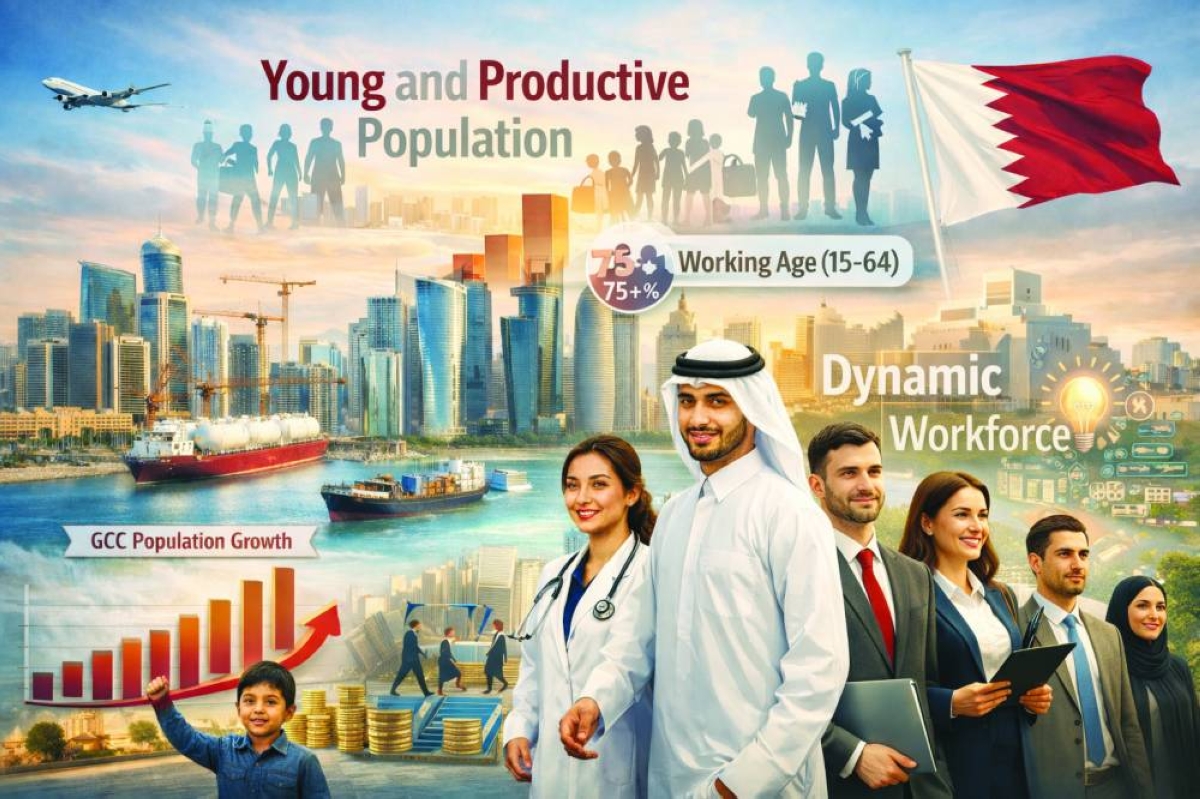
The population of the Gulf Cooperation Council (GCC) countries is projected to rise from around 61.5mn in 2024 to approximately 83.6mn by 2050, marking an increase of more than 22mn people over the next quarter century, according to the latest Population Indicators Report issued by the Gulf Statistical Center (GCC-STAT).
The Muscat-based centre said population growth across the region is expected to continue steadily between 2025 and 2050, driven by economic expansion, labour demand and demographic dynamics. The report also anticipates a gradual shift in population structure, with the number of people aged 65 and above projected to more than double, exceeding 5.5mn by mid-century.
By the end of 2024, the GCC’s total population had grown by 8.5mn compared with 2019, translating into an average annual growth rate of 2.8%, nearly three times the global average. This underscores the sustained pace of demographic expansion in the Gulf region.
Within this broader GCC framework, Qatar continues to reflect many of the demographic characteristics highlighted in the report, including a strong working-age base and high levels of urbanisation.
Qatar’s population is currently estimated at just over 3.1mn, with long-term projections indicating continued steady growth in line with economic activity and labour-market demand. The country’s demographic profile is marked by a dominant working-age population, which constitutes the large majority of residents, supporting Qatar’s position as a dynamic labour market in sectors such as energy, infrastructure, services, logistics and healthcare.
The GCC-STAT report shows that region-wide, the working-age population (15–64 years) accounts for 76.7% of total population, while children aged 0–14 represent 20.6%, and the elderly population 2.6%. This results in a total dependency ratio of around 30 dependents per 100 working-age individuals, a structure that continues to shape economic and social planning across the region.
A key long-term trend identified in the report is population ageing. Across the GCC, the number of elderly people (65+) is expected to more than double by 2050. While this group currently represents a small share of the population, rising life expectancy and improved healthcare outcomes are contributing to a gradual demographic transition.
GCC-STAT noted that ongoing population expansion and structural changes underline the importance of long-term policy planning in areas such as urban development, healthcare systems, labour markets and social protection. These themes align with broader development strategies across GCC states, including Qatar’s continued focus on sustainable development, human capital and infrastructure planning.
The report highlights how the region’s youthful and economically active population base remains a defining feature of the Gulf’s demographic landscape, while gradual structural changes are shaping future planning priorities.

