


Thailand is set to showcase its advancements in the circular economy, from transforming agricultural waste into high-performance cosmetics to pioneering eco-urban development, at the 5th Recycling Towards Sustainability Conference and Exhibition (RTS) 2025, taking place on June 25-26 at Raffles Doha Hotel.
Organised in partnership with Qatar’s Ministry of Municipality, the Thai embassy said that its participation underlines Thailand’s vision for circular innovation and strengthens its sustainable collaboration with Qatar.
The initiative, the embassy added, also reflects Thailand’s continued commitment to sharing knowledge, reinforcing international partnerships, and supporting Qatar’s National Vision 2030 and the Third National Development Strategy (2024–2030).
As part of RTS 2025, Thailand will highlight its expertise and achievements in circular economy principles through insightful conference sessions delivered by leading Thai experts, complemented by an exhibition of sustainable innovations.
The embassy will also feature a dedicated mini-exhibition, titled “Thailand’s Innovative Upcycling for Everyday Life”, displaying eco-friendly consumer products ranging from eco-textiles and biodegradable packaging to sustainable homeware and clean beauty solutions, all crafted from recycled materials and industrial by-products.
Two experts from Thailand’s Kasetsart University will present their groundbreaking research and practical applications of circular economy principles across key industry sectors.
Dr Prakit Sukyai, head of the Cellulose for Future Materials and Technologies Special Research Unit at Kasetsart’s Faculty of Agro-Industry, will present *Plant-Based Cosmetic Model for Upcycling Agricultural Biomass into Sustainable Nanocellulose and Bioactive Compounds on June 25.
His session will unveil how agricultural biomass, such as coffee pulp, bacterial cellulose, and mangosteen rind, can be transformed into valuable nanocellulose and bioactive compounds for use in plant-based cosmetics.
This approach explores advanced material science and biotechnology to create skin-friendly products with enhanced efficacy, significantly reducing reliance on synthetic inputs, and connecting rural waste streams with global green markets.
On June 26, Dr Singh Intrachooto, professor of Building Innovation and Sustainability and director of Scrap Lab, will discuss “Real Estate Developments as a Catalyst for Circular Economy Innovation”.
His presentation will examine the evolution of circular thinking in urban development, spotlighting The Forestias, Thailand’s flagship eco-urban project.
This large-scale development integrates recycled asphalt, upcycled plastics, and low-carbon materials, showcasing how modern living can be redefined through sustainability.
He will also illustrate how such real estate initiatives can act as launchpads for green entrepreneurship, positioning projects like The Forestias as hubs for SMEs (small and medium enterprises) and innovators working on circular supply chains.
The embassy noted that Thailand’s presence at RTS 2025 also serves to advance the goals of its national Bio-Circular-Green Economy Model, which promotes inclusive and innovation-driven sustainable growth.

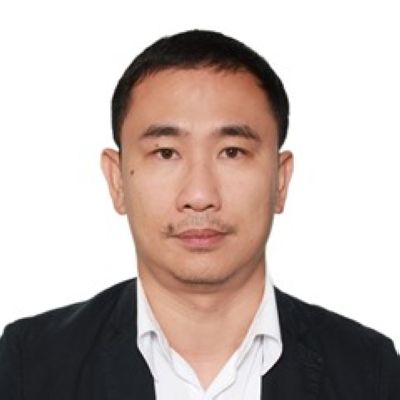
Dr Prakit Sukyai

Dr Singh Intrachooto