


Implementing a culture of “AI ownership” in the workplace could enhance overall company operations and promote a more positive perspective surrounding artificial intelligence among employees.
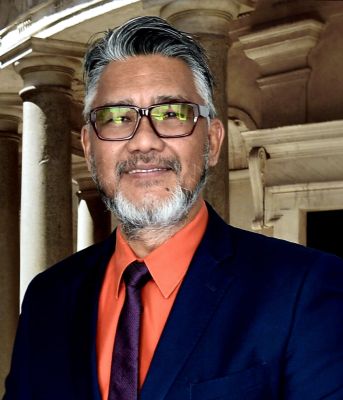
Khalid Mohamed al-Kubaisi, the CEO of Doha-based technology services and solutions provider, malomatia, shared his company’s AI journey during a panel discussion titled ‘Building Cultural Bridges between AI and Human Teams’ during Web Summit Qatar Monday.
He was joined by industry experts Awdesh Chetal, CEO of HyperThink Systems, and Kenza Ait Si Abbou, CTO, board member of Fiege Logistik. The discussion was moderated by Ayesha Chowdhury, senior manager, Global Digital Business & Senior Leadership Board Advisor at the BBC.
During the discussion, he highlighted the significance of giving employees ownership of AI initiatives. After making their employees ambassadors of AI, al-Kubaisi noted that malomatia witnessed remarkable improvements in customer experience processes.
“By involving employees in AI implementation, we were able to achieve a 12% reduction in average handling time per transaction,” noted al-Kubaisi emphasising that the strategy both yielded impressive results and reduced resistance to AI adoption.
He also pointed out that the approach not only promotes a more positive perspective on AI but also encourages innovation and collaboration among team members. Al-Kubaisi believes that as employees become more accustomed to various AI tools and their applications, this will improve efficiency and lead to better results for the company.
Abbou, meanwhile, underscored the significance of reassuring employees who feel disconnected due AI’s rapid integration in the workplace. According to Abbou, “47%” of employees perceive AI as a threat, citing a Gartner study. She said it is important for managers to educate teams and offer upskilling opportunities, as well as ensure that employees feel involved in the ideation and development phases of AI solutions.
“We include them in the ideation phase, from the design of those solutions, so that it is like their baby,” she explained, noting that this approach significantly enhances AI adoption.
Chetal, on the other hand, forecasts a hybrid workforce and job transformation going forward. He said repetitive tasks would likely transition to AI, while mission-critical tasks requiring supervisory, emotional intelligence, and strategic thinking should be handled by humans.
“Humans will drive AI,” Chetal noted, citing parallels with the Industrial Revolution and predicting a similar job transformation rather than loss. He also underlined the need of retraining and building internal capabilities to adapt to this new reality.
