
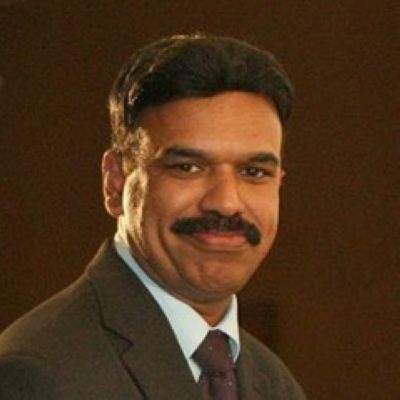


Various stakeholders in education highlighted the need for cross-border collaboration and regional partnership to overcome the challenges in education especially for the marginalised out of school children at the Doha Forum on Sunday.
Speaking at a session on, ‘Financing the Future: Tackling the Global Education Crisis’ the panellists highlighted the need for global partnership to ensure regional collaboration.
Fahad al-Sulaiti, director-general, Qatar Fund For Development; Paula Ingabire, Minister of Information Communication Technology and Innovation, Rwanda; Laura Frigenti, CEO, Global Partnership for Education; Hiba Ahmed, director general of the Islamic Solidarity Fund for Development, Islamic Development Bank; and Fatima Yasmin, vice-president, Asian Development Bank (ADB); were the panellists. The session was moderated by Dr Safwan Masri, dean, Georgetown University in Qatar.
Al-Sulaiti pointed out that there are different paths to go with in facing the challenges in education.
“Education is not moving from its traditional way and the traditional way is to have schools. Now we have technology to assist in learning process and I think the future is to go with it. So we have to find ways to leverage it together,” he said.
“We need to have more partners and more commitment coming from the countries and begin the collaboration. So I think, it is good for the future that we need to support qualified teachers, giving them the best of what they need to make the learning process last long,” he continued.
The discussion focused on the urgent need for new financing models to solve the global education crisis, underscoring the essential role of education in building a sustainable, inclusive, and prosperous future.
ADB’s Yasmin highlighted an example of cross-border collaboration. She said that ADB provided technical assistance to plug the gap is existing education in small Pacific Islands as ADB has created a platform for online classes and assessment for the students for all 40 ADB Pacific member countries.
Frigenti noted that her organisation involves several players at the country level and local education groups are created to bring around the table all the actors that are interested in working in education. “And that involves everybody those that put money on the table, involves those that are implementers, civil society organisations, international NGOs, teacher associations when they are interested in private sectors. The name of the game is to support one strategy to transform the sector that everybody is going to contribute to,” she added.

The panellists at the session Sunday. PICTURE: Thajudheen