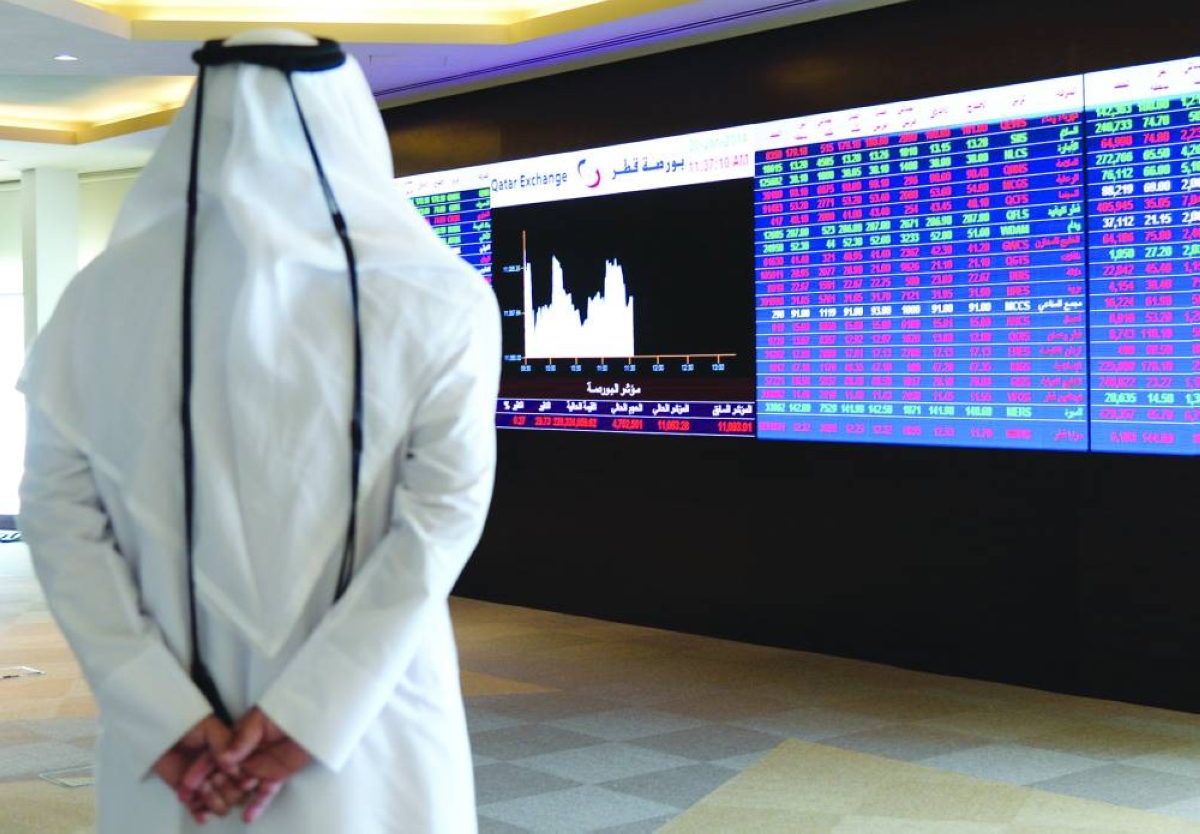
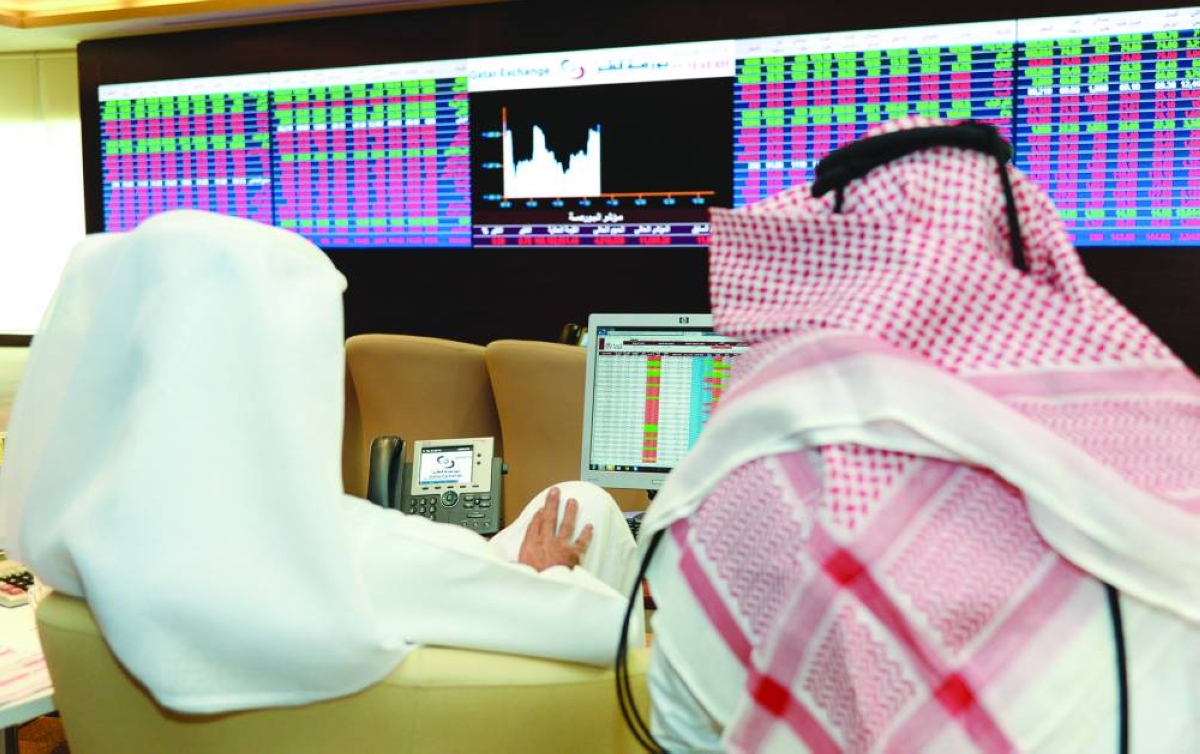
Amid heightened geopolitical tensions ahead of a third round of US-Iran talks, the regional bourses, including Qatar Stock Exchange, Thursday witnessed heavy selloff, leading to its key index plummet 215 points and capitalisation erode in excess of QR14bn.The foreign funds were seen net profit takers as the 20-stock Qatar Index plunged 1.91% to 11,055.18 points, although it touched an intraday high of 11,287 points.The real estate, banking and telecom counters witnessed higher than average selling pressure in the main market, whose year-to-date gains truncated further to 2.72%.About 76% of the traded constituents were in the red in the main bourse, whose capitalisation eroded QR14.04bn or 2.09% to QR658.18bn mainly on account of large and midcap segments.The Gulf institutions were seen increasingly net profit takers in the main bourse, whose trade turnover and volumes were on the rise.However, the local retail investors turned bullish in the main market, which saw 0.01mn exchange traded funds (sponsored by AlRayan Bank and Doha Bank) valued at QR0.06mn trade across 14 deals.The domestic funds were increasingly net buyers in the main bourse, which saw no trading of sovereign bonds.The Islamic index was seen declining faster than the other indices of the main market, which saw no trading of treasury bills.The Total Return Index tanked 1.86%, the All Share Index by 1.87% and the All Islamic Index by 1.98% in the main bourse.The realty sector index plummeted 3.77%, banks and financial services (2.44%), telecom (1.97%), consumer goods and services (1.8%), industrials (0.75%), and transport (0.66%); while insurance gained 0.79%.As many as 41 declined, while only 12 gained and one was unchanged.Major shakers in the main market included Ezdan, Barwa, Lesha Bank, Qatar Oman Investment, Qamco, QNB, Qatar Islamic Bank, AlRayan Bank, Medicare Group, Woqod, Mannai Corporation, Estithmar Holding, Ooredoo and Gulf Warehousing.In the juniour bourse, Techno Q saw its shares depreciate in value.Nevertheless, Beema, Qatar General Insurance and Reinsurance, Meeza, Qatar National Cement and Qatar Insurance were among the gainers in the main market.The foreign institutions turned net sellers to the tune of QR152.91mn against net buyers of QR34.55mn on Wednesday.The Gulf institutions’ net selling increased noticeably to QR19.19mn compared to QR7.32mn the previous day.The foreign individual investors’ net buying weakened marginally to QR1.3mn against QR2.2mn on February 25.However, the local individuals were net buyers to the extent of QR119.35mn compared with net sellers of QR6.19mn on Wednesday.The domestic funds turned net buyers to the tune of QR33.53mn against net profit takers of QR18.03mn the previous day.The Arab individuals were net buyers to the extent of QR14.7mn compared with net sellers of QR2.94mn on February 25.The Gulf retail investors turned net buyers to the tune of QR3.23mn against net profit takers of QR2.27mn on Wednesday.The Arab funds had no major net exposure for the fourth consecutive session.The main market saw more than doubling of trade volumes at 346.75mn shares and almost tripling of value to QR1.18bn on 76% surge in deals to 42,291.In the venture market, as many as 7,000 equities valued at QR0.01mn changed hands across one transaction.
Business
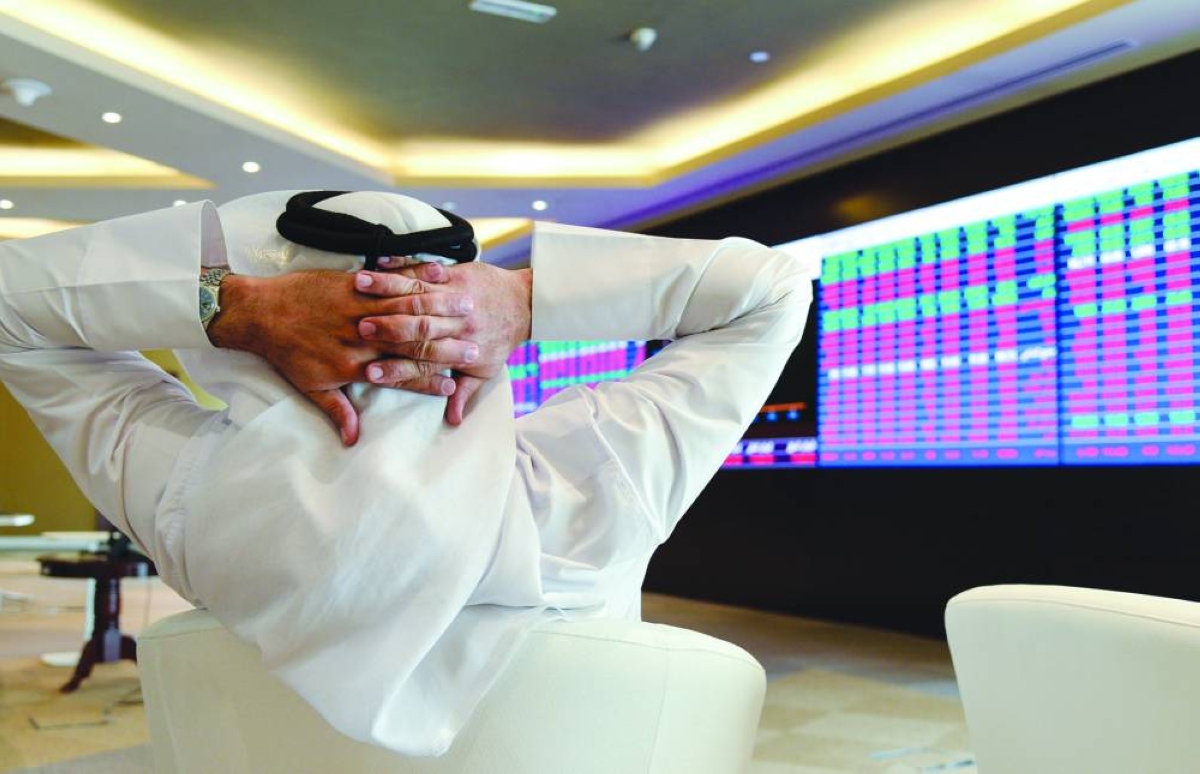
Foreign funds resort to heavy selloff as QSE index plummets 215 points; M-cap erodes QR14.04bn
Thursday, February 26, 2026



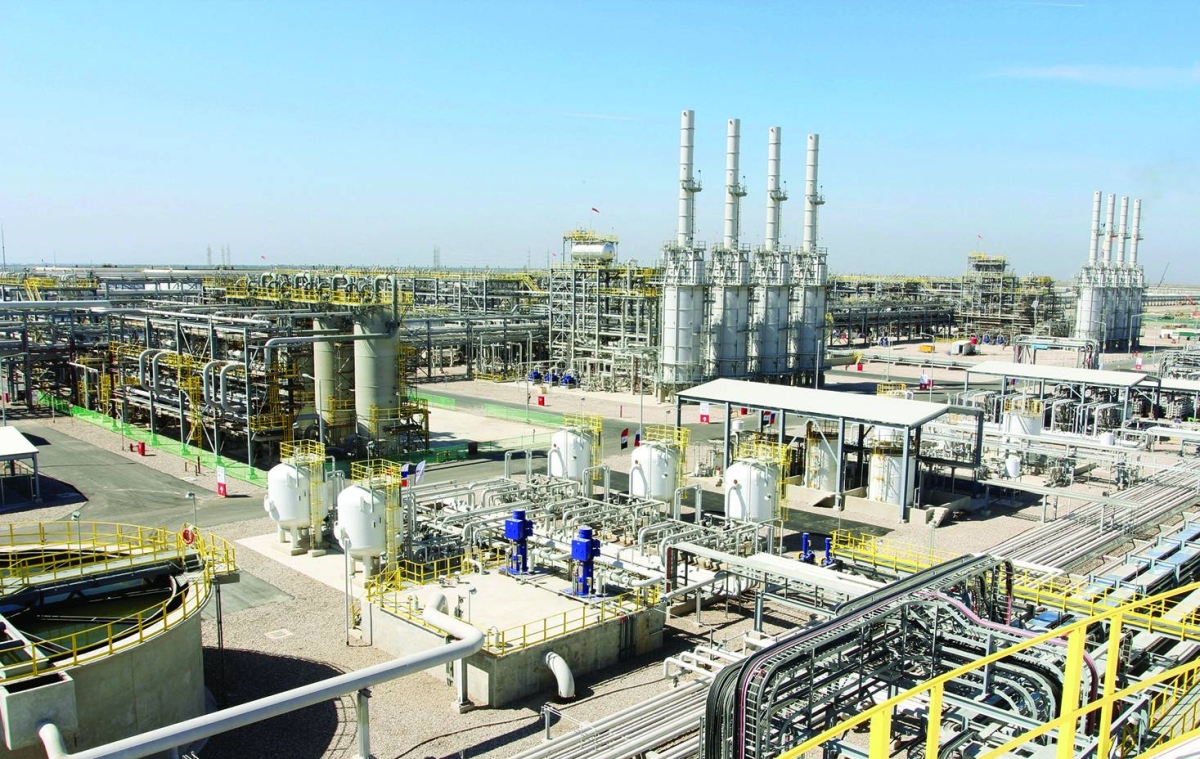
Iraq's West Qurna 2 oilfield poised for output surge with Chevron, says minister
Thursday, February 26, 2026


Tuesday, February 24, 2026
Wednesday, February 25, 2026

Wednesday, February 25, 2026

Thursday, February 26, 2026

Wednesday, February 25, 2026


Qatar Insurance wins ‘Insurer of the Year’ honour at Mena II Awards 2026
Wednesday, February 25, 2026

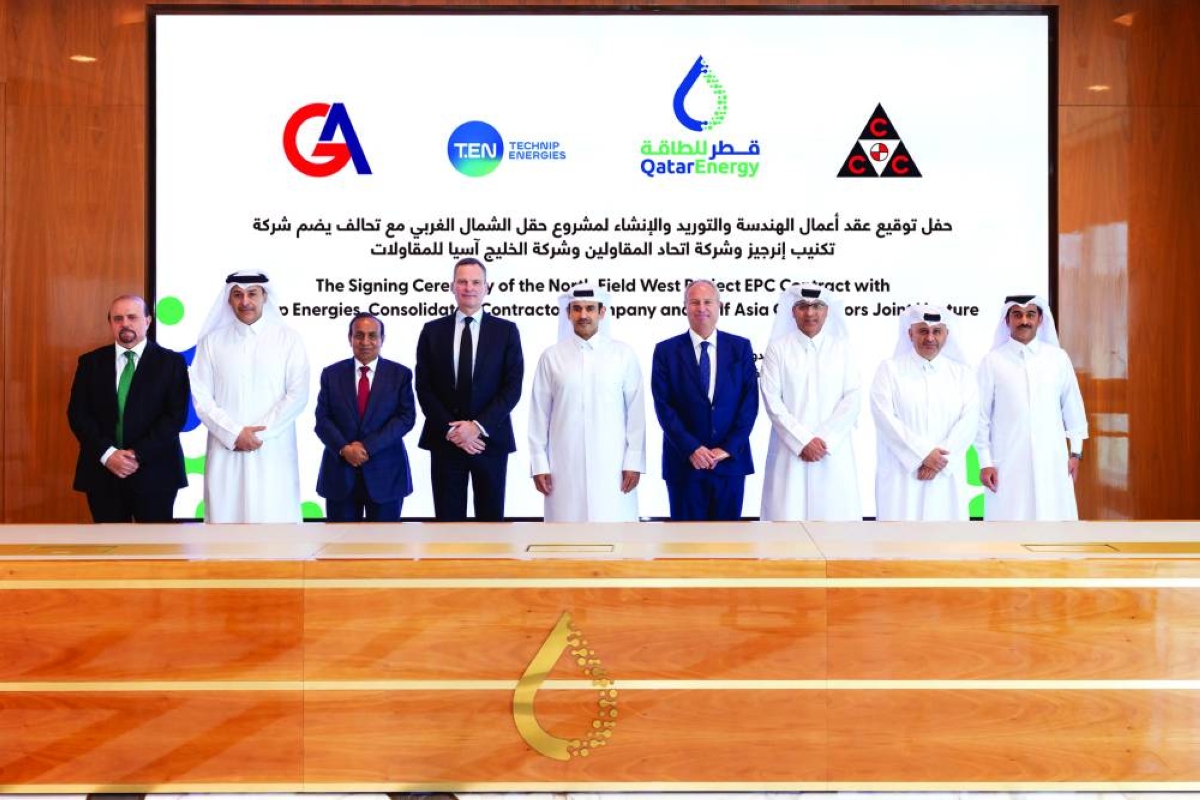
QatarEnergy awards EPC contract for the North Field West 16 Mtpa LNG project
Wednesday, February 25, 2026
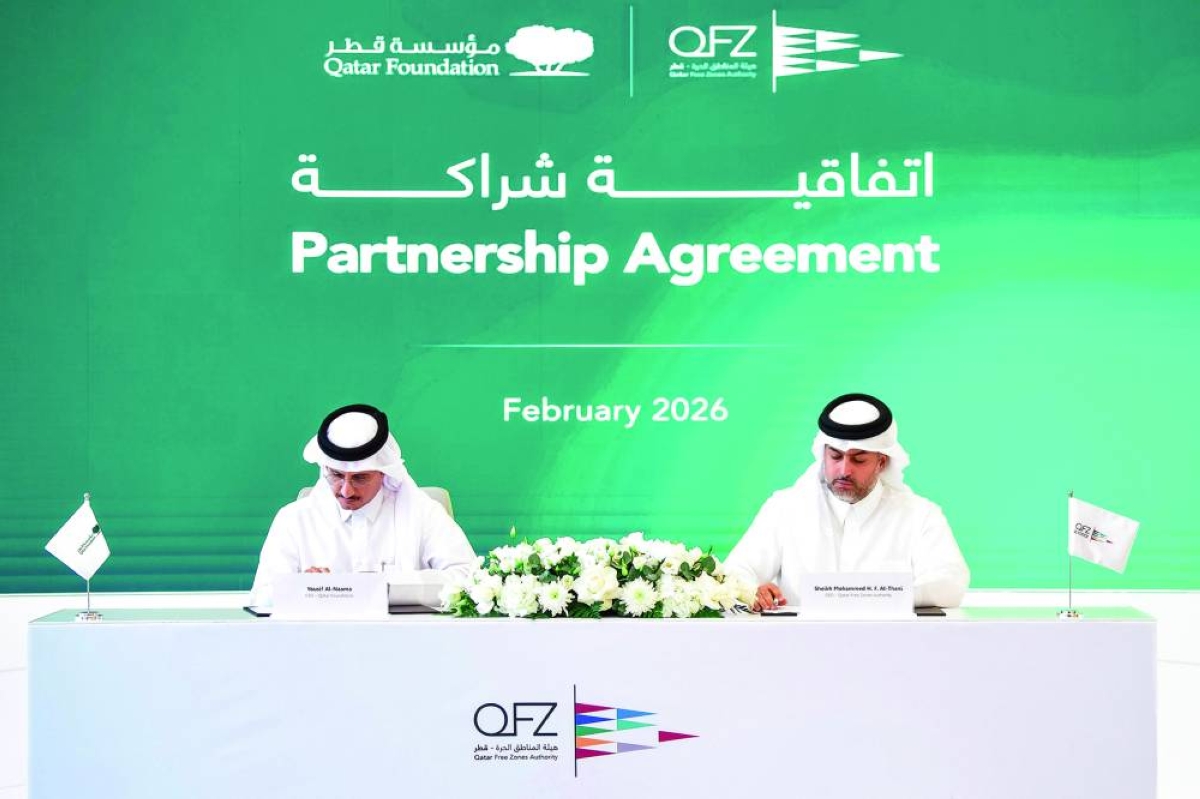
QFZ, Qatar Foundation sign agreement to advance climate action, sustainable development in Qatar
Tuesday, February 24, 2026