Region

Thursday, February 26, 2026 | Daily Newspaper published by GPPC Doha, Qatar.

Region

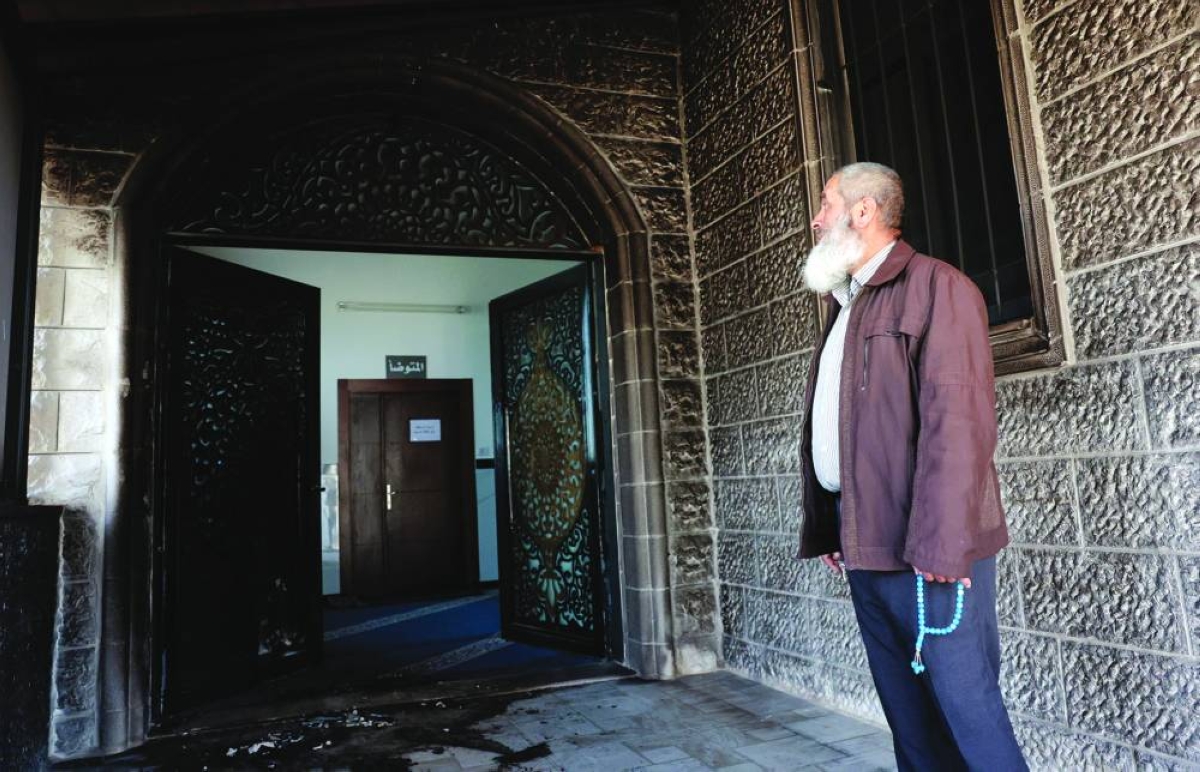
A Palestinian man, holding Misbaha prayer beads, inspects the debris at a mosque, which was damaged by Israeli settlers, in West Bank village of Surra, near Nablus in the occupied West Bank, Monday.

Israeli settlers attack West Bank mosque, local officials and army say

Israeli settlers attempted to set fire to a mosque in the occupied West Bank village of Tell early Monday, the Palestinian Authority's ministry of religious affairs said."The Ministry of Endowments and Religious Affairs condemned the attempt by a group of settlers to set fire to a part of the Abu Bakr al-Siddiq Mosque in the village of Tell, near Nablus, and the writing of racist slogans on its walls", the ministry said in a statement.The ministry noted an increase in attacks on mosques in the West Bank, totalling 45 in 2025."The burning of part of the mosque clearly demonstrates the barbarity reached by the Israeli racist incitement machine toward Islamic and Christian holy sites in Palestine", the ministry said.An AFP journalist on the ground reported burnt carpets, broken front doors, walls and windows blackened by fire. However there was no structural damage as the fire did not catch and spread throughout the whole building.Israel's military said in a statement to AFP that army and police forces "were dispatched to the area of Tell following a report and footage that was received after the fact regarding suspects who set fire to a mosque and sprayed graffiti.""No injuries were reported", and the forces are searching for the suspects, the statement added.Ghassan Daghlas, governor of the Nablus region which includes Tell, condemned the attack in a video posted on social media."They burned the mosque, and we are the ones rebuilding it. This is our land -- the land of Palestine", he said, a garden hose in hand to wash off debris at the site.Excluding Israeli-annexed east Jerusalem, more than 500,000 Israelis live in West Bank settlements and outposts, which are illegal under international law.Around 3mn Palestinians live in the territory, which Israel has occupied since 1967.While most Israeli settlers do not engage in violence, a small but militant fringe has been linked to attacks on Palestinians.The current Israeli government, considered one of the most right-wing in the country's history, has fast-tracked settlement expansion and recognised some outposts.

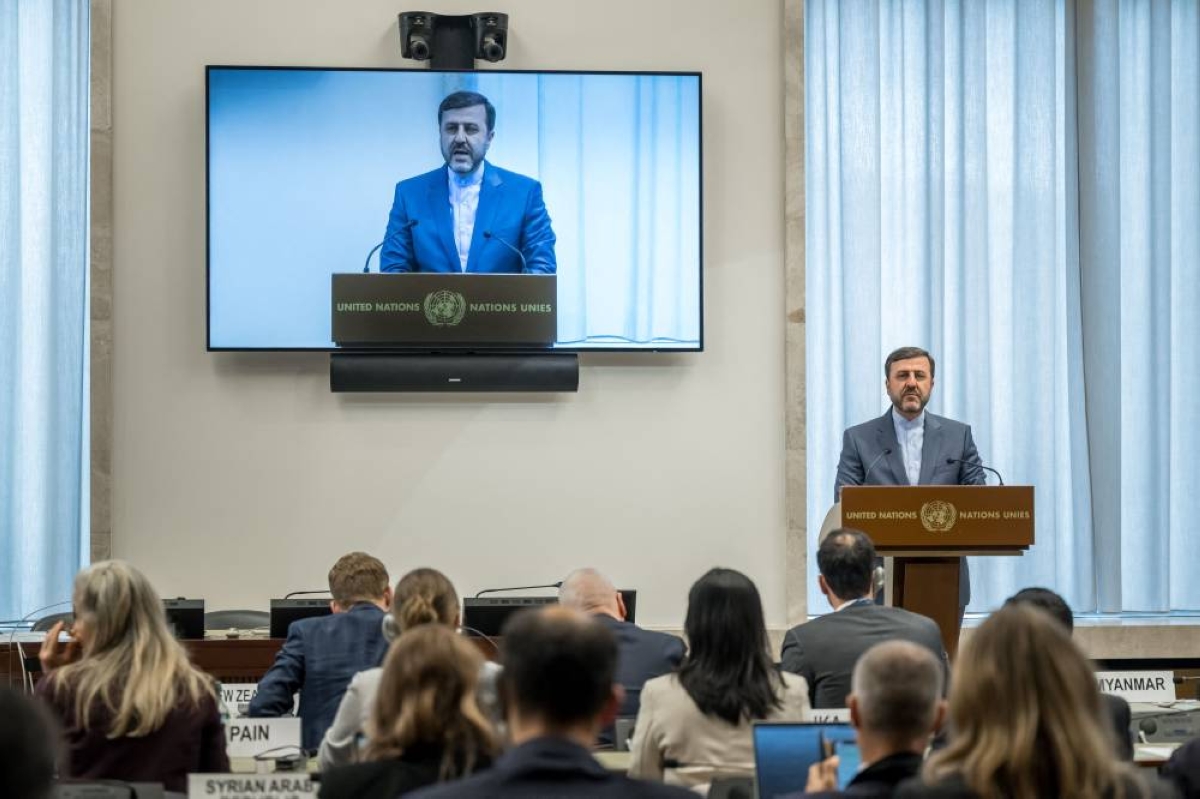
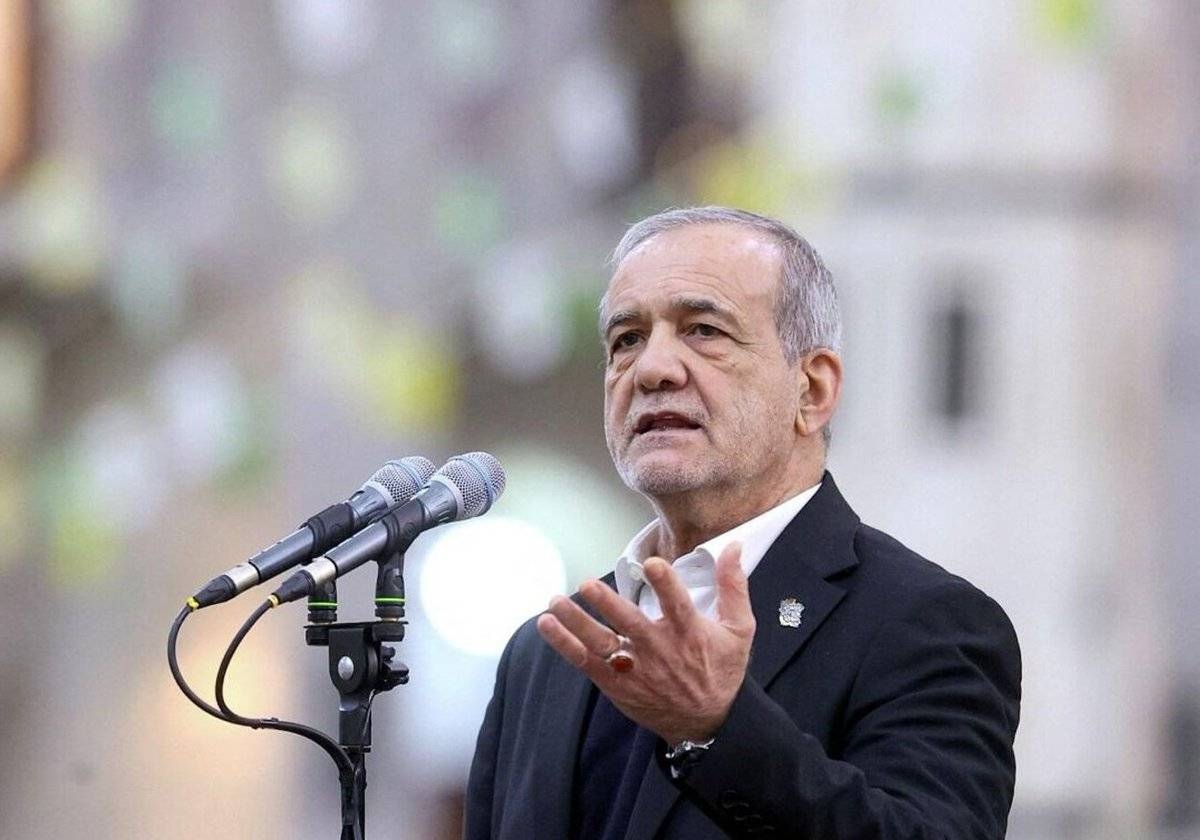
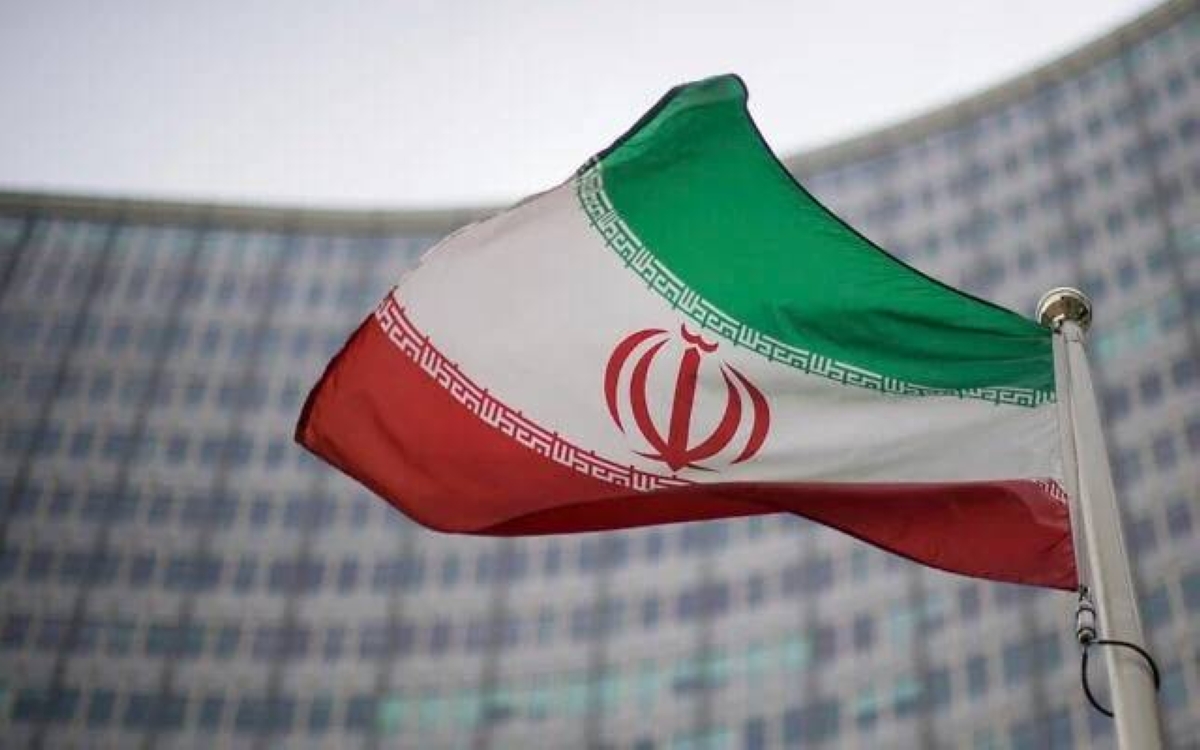
Iran's Deputy Foreign Minister Kazeem Gharibabadi addresses the audience during the annual high-level debate of the United Nations Conference on Disarmament in Geneva, on February 23, 2026. (Photo by Fabrice COFFRINI / AFP)

Risk of ‘escalation’ if Iran attacked: Deputy FM

Iran’s deputy foreign minister Kazem Gharibabadi warned of a wider escalation if his country was attacked, after US President Donald Trump raised the threat of strikes.Trump has sent a major deployment of air and sea power to the Middle East and has threatened to strike Iran if it does not reach a deal on key concerns starting with its nuclear programme. “We call upon all nations committed to peace and justice to take meaningful steps to prevent further escalation,” Gharibabadi said at the Conference on Disarmament in Geneva.“The consequences of any renewed aggression wouldn’t remain confined to one country -- and responsibility would rest with those who initiate or support such actions.” Iranian and US negotiators held indirect talks in Geneva last week on Tehran’s nuclear programme, hosted by Oman. Washington said yesterday that nuclear talks with Iran will resume on Thursday, with Oman having earlier said they would again take place in Geneva.“The Islamic Republic of Iran remains committed to diplomacy and dialogue as the most effective path towards de-escalation and sustainable security,” Gharibabadi said. “Recent diplomatic engagement here in Geneva, which will continue this Thursday, demonstrates that a new window of opportunity exists for negotiations to address differences and build confidence — provided that they uphold mutual respect, equitable treatment and non-selective application of international norms. “Any sustainable and credible negotiation must respect the legitimate rights of all states under international law, and deliver tangible security benefits without coercion, unilateral demands or threats of force.”The United States and Israel threatened new military action against Iran after mass protests in the Islamic republic, which the Iranian authorities crushed at a cost of thousands of lives. Daniel Meron, Israel’s ambassador to the UN in Geneva, told reporters his country would be following Thursday’s talks “very closely”. Gharibabadi said that while Tehran sought the path of diplomacy, it was prepared to defend its sovereignty, territory and people, insisting it would exercise its right to self-defence “if necessary”. He called upon nuclear-armed states to offer legally binding security assurances for countries without atomic weapons.Shen Jian, China’s ambassador to the disarmament forum, said the Iran nuclear issue stood “at a critical crossroad”. “We oppose unilateral bullying and the use of force in international relations,” he said, calling for a “favourable environment” for the ongoing diplomatic efforts.“Avoid pushing the Iranian nuclear issue toward a confrontation or triggering new conflicts,” Shen added.