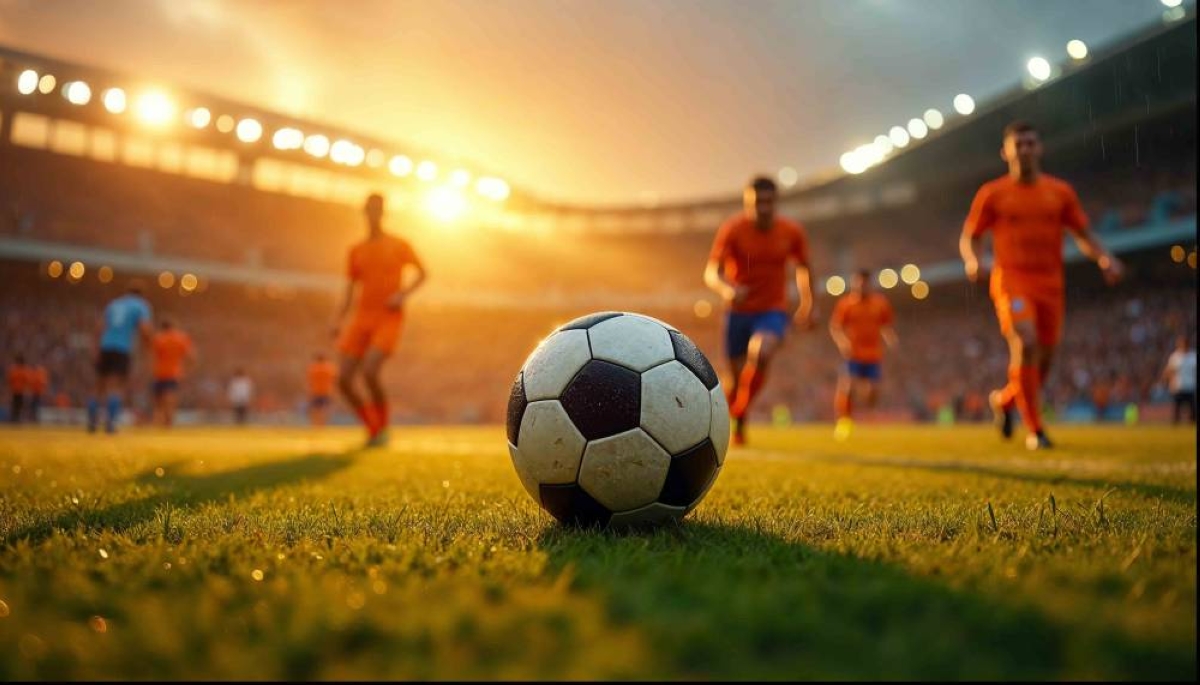
Ramadan is often seen as a time for spiritual reflection, quiet contemplation, and moments of togetherness with family and friends. The long hours of fasting from dawn to sunset encourage patience, self-discipline, and mindfulness. Yet, as the sun sets and the call to Maghrib prayer marks the end of the day’s fast, another rhythm emerges: the rhythm of life, energy, and movement. Nighttime, particularly after iftar, has become a vibrant period for group sports, a tradition that has grown in popularity across many Muslim communities. Engaging in sports during Ramadan nights is more than just a way to maintain physical fitness; it is a holistic practice that nurtures the body, mind, and community spirit while complementing the spiritual goals of the holy month.Fasting during the day naturally limits energy and can make daytime exercise challenging. The body is adjusting to hours without food or water, and intense activity in such conditions can lead to fatigue, dehydration, or even health risks. Nighttime sports, however, provide an ideal alternative. After iftar, when the body is replenished with water, carbohydrates, and proteins, individuals can engage in physical activity with greater stamina and resilience. Whether it’s football, basketball, volleyball, or even a casual running group in a local park, these activities allow participants to maintain cardiovascular health, flexibility, and strength without compromising the fast. The careful timing of exercise not only supports physical well-being but also encourages a sense of energy management, helping individuals find a sustainable balance between rest, nutrition, and movement throughout the month.Beyond the physical benefits, group sports play a crucial role in fostering social bonds. Ramadan emphasizes community, unity, and shared experiences, and nighttime sports are a natural extension of these values. Whether on the street, in a local park, or in an organised sports facility, the games bring together friends, neighbours, colleagues, and even families. In these moments, competition is secondary to camaraderie. Players laugh, encourage each other, and build connections that extend beyond the field. The shared experience of exertion after fasting, coupled with the joy of teamwork, mirrors the communal aspects of Ramadan, where empathy, patience, and support are nurtured daily.Mentally, engaging in group sports provides a much-needed release. Fasting, while spiritually rewarding, can sometimes lead to feelings of fatigue, irritability, or low energy. Physical activity in the evening triggers the release of endorphins, which lift mood, reduce stress, and enhance overall mental well-being. Moreover, the social aspect of team sports combats feelings of isolation, particularly in urban settings where individuals may spend much of their day in work or study. The combination of exercise and companionship offers a restorative experience that enriches both emotional and spiritual health.Nighttime sports also encourage mindful nutrition and hydration. Consuming a well-balanced iftar, with dates, fruits, vegetables, lean proteins, and complex carbohydrates, not only replenishes energy but also prepares the body for physical activity later in the evening. Participating in sports after iftar naturally encourages moderation in meal portions, preventing overeating and promoting digestion. The routine of eating, hydrating, and moving creates a rhythm that enhances overall wellness during Ramadan.Discipline and personal development are other key benefits of participating in group sports during Ramadan nights. Engaging consistently in physical activity requires commitment, time management, and respect for both personal and team schedules. The lessons learned on the field—cooperation, patience, encouragement, and fair play—align closely with the moral and ethical teachings emphasized throughout Ramadan. Practicing self-control in gameplay, showing respect to teammates, and celebrating others’ successes mirror the virtues of empathy, humility, and patience encouraged by fasting. Over time, these habits extend beyond sports, influencing daily interactions, professional life, and personal development.Family and community involvement further enhance the experience. Many local mosques, sports clubs, or community centres organise Ramadan night leagues or informal tournaments that welcome participants of all ages. Children, teens, adults, and even grandparents can be part of these gatherings, creating spaces where intergenerational interaction flourishes. Through these activities, young members learn teamwork, older members share wisdom and guidance, and the community strengthens its collective spirit. Such events are not merely about athletic performance; they are about shared purpose, cultural continuity, and joyful participation in a collective experience.Finally, engaging in sports during Ramadan nights helps establish sustainable lifestyle habits that last far beyond the holy month. The combination of structured physical activity, mindful nutrition, and social connection encourages participants to maintain fitness routines, healthy eating habits, and community involvement even after Ramadan concludes. By integrating body, mind, and social life, nighttime sports create a balanced approach to health and spirituality, demonstrating that fitness and faith can coexist harmoniously.In essence, group sports during Ramadan nights are far more than recreational pastimes. They embody the core values of the holy month: discipline, patience, generosity, social connection, and joy. They provide a space for personal growth, communal bonding, and emotional restoration, all while keeping the body active and healthy. Whether through organised leagues, casual matches with friends, or family-friendly games in local parks, these evening gatherings bring vibrancy to Ramadan nights, transforming the time after sunset into an opportunity for holistic well-being.Under the soft glow of streetlights or the serene reflection of the moon, the courts, fields, and parks come alive. Here, energy, friendship, and faith intersect, creating an experience that is both physically invigorating and spiritually enriching. In these shared moments of play, the essence of Ramadan extends beyond fasting—it is felt in laughter, teamwork, and the quiet satisfaction of a community united in purpose, health, and joy.

Select Section