
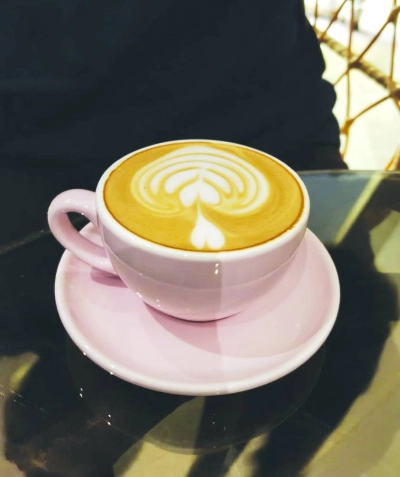
The popularity of both karak and speciality coffee — including premium matcha drinks — is highlighting the strength and adaptability of Qatar’s food and beverage (F&B) sector ahead of Eid al-Adha.In Qatar, a customer can buy a QR2 karak from a roadside cafeteria in the afternoon and later spend QR25 on a matcha latte or speciality iced coffee. Increasingly, many consumers are doing both.“I drink coffee in the morning to stay awake and active throughout the day, then karak in the afternoon after finishing work,” Filipino expatriate Eugene B told Gulf Times, describing both beverages as part of his daily routine. “I think it has become normal for many of us, including my colleagues.” **media[450511]**Having worked in the F&B sector for several years, Eugene said beverages such as matcha, milk tea, and other refreshing drinks continue to enjoy strong demand in Qatar alongside traditional favourites.That balance between affordability and premium café culture has become one of the defining characteristics of Qatar’s F&B industry, it is learnt. This has helped the sector remain resilient through years of regional uncertainty, including the 2017 Gulf blockade, the pandemic, inflation, and supply-chain pressures across the Gulf.Unlike some markets where consumers lean either toward budget spending or luxury consumption, Qatar’s dining culture has evolved into a blend of affordable comfort and trend-driven experiences.At the affordable end is karak — quick, inexpensive, and deeply embedded in daily life. According to Visit Qatar, the drink became one of the country’s most recognisable beverages through South Asian influence and Qatar’s cafeteria culture.For many workers, students, and residents, karak is part of a daily routine rather than an occasional indulgence. Its affordability also ensures a steady flow of customers for small cafeterias, even during periods of economic pressure.An employee at a popular tea shop along Old Airport Road told Gulf Times that the outlet attracts a constant stream of customers every day, ranging from delivery riders to office workers, with karak remaining its top-selling drink.“On almost any day, you’ll see customers lining up, probably because karak, when prepared properly and consistently, is both delicious and affordable,” he said.Yet only a few streets away from these cafeterias, another side of Qatar’s beverage market continues to expand rapidly.Doha’s speciality coffee scene has grown significantly in recent years, driven largely by younger consumers seeking premium experiences, stylish interiors, and social spaces rather than simply a caffeine fix. Speciality cafés now serve Spanish lattes, cold brews, and handcrafted coffees that can cost nearly 10 times as much as a regular cup of karak.Operators say customers are paying not only for the drink itself, but also for the atmosphere, branding, and lifestyle associated with café culture.The same trend is evident in the rising popularity of matcha beverages. Once considered a niche product, matcha has developed a strong following among younger consumers in Qatar, influenced partly by Japanese pop culture, anime, manga, and minimalist café aesthetics widely shared on social media.Many cafés now offer iced strawberry matcha, ceremonial-grade matcha lattes, and matcha-based desserts aimed at Gen Z consumers seeking visually appealing and wellness-oriented drinks.Milk tea and boba beverages have also secured a strong foothold in the local market. Driven in part by Korean entertainment, East Asian food trends, and TikTok culture, bubble tea brands continue to expand across malls and commercial districts in Doha. Drinks topped with tapioca pearls, cream foam, or brown sugar syrup regularly sell for QR20 or more despite being considerably more expensive than traditional cafeteria beverages.Industry observers say consumers rarely view these drinks as competitors. Instead, each serves a different purpose and appeals to different moods and occasions.Speaking to Gulf Times, Muhammed Kabeer, general manager of Family Food Centre’s Distribution Division, said the diversity of demand has made Qatar’s F&B market particularly adaptable. **media[450510]**“With expatriates making up most of the population, the country’s culinary landscape constantly absorbs influences from different regions,” he said. “Consumers are therefore more open to trying unfamiliar flavours and quickly adapting to international food trends.”As a result, a traditional cafeteria can thrive beside a Korean-style milk tea shop, while a Japanese-inspired matcha café operates near a speciality coffee roastery — often attracting overlapping customer bases.This adaptability proved critical during periods of crisis. During the 2017 blockade, restaurants and cafés quickly adjusted sourcing strategies and menus as trade routes shifted. During the pandemic, businesses rapidly adopted delivery apps, online ordering, and hybrid concepts, while consumers adapted just as quickly.Research from Mordor Intelligence projects that Qatar’s foodservice market will continue growing steadily through 2031, supported by tourism, digital delivery platforms, and evolving consumer habits.Operators say the sector’s resilience cannot be explained by infrastructure alone. It is also rooted in consumer behaviour, with people moving comfortably between affordability and indulgence depending on mood, occasion, and trends.During Eid al-Adha, that flexibility becomes even more visible. Families gather over traditional tea after prayers, teenagers queue for milk tea in shopping malls later in the evening, while young professionals fill speciality cafés serving premium coffee and matcha drinks well past midnight.
Tuesday, September 01, 2026
|
Daily Newspaper published by GPPC Doha, Qatar.

