tag

Monday, September 28, 2026 | Daily Newspaper published by GPPC Doha, Qatar.

Tag Results for "Qatar" (360 articles)

Gulf Times
Business

Qatar eyes role of global hub in research-driven paediatric care

Sidra Medicine is trialling a research programme to sequence the genomes of newborns in Qatar — an initiative that could eventually be adopted nationally — as part of a wider push to make the country a global destination for research-driven paediatric care, precision medicine and advanced therapy development, a senior official has told Gulf Times in an exclusive interview. Prof Khalid A Fakhro, chief medical officer at Sidra Medicine, an initiative of Qatar Foundation, said the hospital’s long-term vision goes beyond conventional clinical care, with Sidra seeking to attract international patients specifically because of its access to cutting-edge research, clinical trials and personalised treatments. He said this is an ambitious approach that could eventually help make Qatar a global destination in many healthcare fields, noting that research is a key factor behind the international reputation of leading children’s hospitals in the United States and Europe. “What we want is to become the place where kids travel for the research-driven care. Complex international cases already frequently enter research programmes when conventional medicine struggles to establish a diagnosis or determine the most appropriate treatment,” he explained. The strategy, he noted, could create a new dimension of medical tourism in Qatar, where families travel not simply for healthcare but to access advanced, research-led therapies available within the hospital. Prof Fakhro said genomic medicine is one of the key research strategies at Sidra Medicine. “A major component of Sidra’s research strategy is genomic medicine, which is increasingly being used to diagnose rare and complex diseases and guide treatment decisions. It has already produced cases in which a child’s primary condition led doctors to discover an additional, previously unidentified medical risk,” he said. He described a case at Sidra Medicine in which a child who presented with structural and facial abnormalities underwent genome sequencing that revealed a cardiac condition. As the child had not displayed cardiac symptoms, there had been no initial referral to cardiology. “The genomic findings enabled doctors to identify the additional risk and arrange appropriate specialist care,” he said. In other cases, he said, genomic testing can determine which treatment should be used, while in some it can rule out treatments that may not be appropriate for a particular patient. “Genomic analysis can also reveal risks that may not yet have produced symptoms, including potential cancer risks, allowing physicians and families to take a more proactive approach to healthcare. These are the kinds of things where precision medicine really comes in handy,” he added. The shift towards preventive and proactive medicine now underpins the research programme aimed at sequencing newborns. “Sidra Medicine began the initiative as a research project and is now looking at how it could eventually be introduced as a clinical programme. The objective is to sequence a newborn’s genome and identify genetic risks that could lead to health problems during the first five years of life, a critical window for intervention,” he said. Rather than focusing on diseases that may emerge decades later, he said, the programme would concentrate on conditions where early identification could allow doctors to intervene during childhood. “If I read the whole genome, I can predict based on the genome what problems they might have that I can intervene in. The programme illustrates a broader pathway in which medical innovation begins in the research environment. It is validated on a smaller scale and can eventually be transferred into routine hospital care and potentially a national programme,” he said. If the approach proves successful, he suggested, newborn genomic sequencing could ultimately be adopted more broadly across Qatar. Prof Fakhro said the overarching objective for Sidra Medicine is to narrow the gap between scientific discovery and clinical care. “Research programmes can begin with a small number of patients under controlled conditions and grant-supported funding. Successful projects can then progress into clinical programmes and eventually into broader healthcare policy,” he said. He pointed out that the newborn genome sequencing initiative is one example of this model, while advanced genomic therapies represent another. “Sidra Medicine’s broader goal is to establish a culture of academic medicine in which research is not separate from healthcare but is integrated directly into diagnosis, treatment and patient care,” he added.

Gulf Times
Business

Hamad Port anchors Qatar’s food security

Hamad Port handled more than 90,000 tonnes of grain between May and July this year, ensuring an efficient and steady flow of essential goods to Qatar. The volume reflects the strength of the country’s food security system and its role in maintaining market stability, underpinned by long-term planning and strategic investment in infrastructure and supply chains. Hamad Port is a key pillar of Qatar’s logistics network, helping meet domestic demand through strong operational capacity, advanced infrastructure and extensive maritime connectivity that strengthen ongoing efforts to support the national economy. Captain Abdulaziz Nasser al-Yafei, executive vice-president of operations at Mwani Qatar, said Hamad Port is a major gateway for Qatar’s trade and supply chain network, with links to more than 100 maritime destinations worldwide, supporting food security and national exports. Its annual design capacity of 7.5mn twenty-foot equivalent units (TEUs) can accommodate future trade growth and domestic demand. He added that the port’s efficiency is supported by a fully integrated 24/7 operating system that monitors vessel, container and truck movements, ensures continuous co-ordination among relevant entities, and extends to preventive maintenance and emergency readiness to keep cargo and supply chains moving smoothly and reliably. The port operates through close co-ordination between Mwani Qatar and several government and industry partners, including the Ministry of Transport, the Ministry of Interior, the Ministry of Commerce and Industry, the General Authority of Customs and Qatar Navigation, helping streamline procedures and improve the efficiency of cargo flows to and from the country. Hamad Port also has specialised facilities for storing, processing and packaging food products, extending its role beyond cargo handling. These facilities form an important part of Qatar’s food-sector infrastructure, from the arrival of imports to their preparation for distribution. Mwani Qatar continues to expand the port’s capabilities in line with market needs and trade growth by strengthening partnerships with global shipping lines and investing in infrastructure and operational solutions, reinforcing its position as Qatar’s main gateway for maritime trade. Since becoming operational in 2016, Hamad Port has undergone successive phases of development and expansion as part of Qatar’s investment in ports and maritime transport.

Gulf Times
Community

Shoulder Pain? When to seek specialist care in Qatar

Shoulder pain has a way of affecting almost every part of daily life. Simple tasks such as reaching for a shelf, lifting groceries, exercising, driving, or even sleeping comfortably can become surprisingly difficult. Many people assume shoulder pain will eventually disappear on its own. While minor strains often improve with rest, persistent pain may indicate an underlying condition that requires professional assessment. Knowing when to seek specialist care can help prevent long-term complications and support a faster return to normal activities.  Common Causes of Shoulder Pain The shoulder is one of the most mobile joints in the body, making it particularly vulnerable to injury and wear. Common causes include:Rotator cuff injuriesShoulder impingementTendinitisFrozen shoulderArthritisSports-related injuriesShoulder instability or dislocationIn Qatar, shoulder problems are frequently seen among athletes, gym-goers, manual workers, and office employees who spend long hours at a desk.  Signs You Should Not Ignore Pain That Persists for Several Weeks Temporary soreness is common after physical activity. However, pain lasting more than a few weeks may indicate structural damage or ongoing inflammation. Difficulty Lifting or Reaching Struggling to raise your arm overhead or perform routine activities may suggest tendon, muscle, or joint involvement. Night Pain That Disrupts Sleep Pain that worsens at night is often associated with rotator cuff disorders and other shoulder conditions that benefit from further evaluation. Weakness or Instability A sensation that the shoulder may slip, catch, or give way can indicate instability or previous injury requiring orthopedic assessment.  Why Accurate Diagnosis Matters Many shoulder conditions produce similar symptoms, which is why self-diagnosis can be misleading. A specialist evaluation often includes a physical examination and, when necessary, advanced diagnostic imaging such as X-rays, ultrasound, or MRI. Identifying the exact source of pain allows treatment to target the underlying problem rather than simply managing symptoms.  Treatment Options Not all shoulder pain requires surgery. Many patients improve through a combination of:Activity modificationPhysiotherapyTargeted strengthening exercisesPain management strategiesGuided rehabilitation programs For more complex cases, treatment may involve orthopedic consultation, image-guided interventions, or surgical procedures when conservative measures are no longer effective. A structured rehabilitation plan remains a key component of recovery, helping restore movement, strength, and long-term shoulder function.  When Should Someone Seek Medical Evaluation? Consider seeking specialist care if shoulder pain persists beyond a few weeks, limits daily activities, disrupts sleep, follows an injury, or is accompanied by weakness or loss of motion. Early evaluation can help identify the cause and expand available treatment options before the condition progresses.  About DOC Medical Center DOC Medical Center is a specialized healthcare institution in Qatar focused on orthopedics, sports medicine, spine care, rehabilitation, physiotherapy, diagnostic imaging, neurology, neurosurgery, and surgical services. Through its Al Sadd, Lusail, and Izghawa branches, DOC provides patient-centered multidisciplinary care that supports patients from diagnosis through recovery. DOC Medical Center was recognized as the Best Medical Center in Qatar – Medicare Qatar Healthcare Awards 2025 and holds ACHSI EQUIP 7 International Accreditation, reflecting its commitment to clinical quality, patient safety, and evidence-based care. Shoulder pain is easier to treat when treated early. Shoulder pain is often easier to treat when addressed early. If symptoms are affecting your daily activities, exercise routine, or sleep, a professional evaluation can help determine the most appropriate next steps.  Phone: +974 4475 3333 --- Email: [email protected] --- https://www.docmedc.com/  

Gulf Times
Qatar

Uzbekistan marks 35 years of independence amid strong ties with Qatar

 Uzbekistan’s strong and rapidly expanding ties with Qatar are opening new avenues for co-operation across investment, trade, energy, infrastructure, tourism and other sectors as the Central Asian nation marks 35 years of independence and embarks on a new era of economic growth and reform.For Qatar and the wider Gulf region, Uzbekistan’s transformation carries particular significance.  Relations between Doha and Tashkent have developed rapidly in recent years, evolving from traditional diplomatic contacts into a broad-based strategic partnership covering investment, trade, energy, infrastructure, transport, education, culture, tourism and other areas of mutual interest.  Uzbekistan’s President Shavkat Mirziyoyev (pictured) has played a significant role in strengthening this relationship, with high-level political dialogue providing the foundation for a rapid expansion of bilateral co-operation. A major turning point came in 2023, when Qatar and Uzbekistan exchanged historic state visits at the highest level.  On June 5-6, 2023, His Highness Sheikh Tamim bin Hamad al-Thani paid a state visit to Uzbekistan at the invitation of Mirziyoyev.  During the visit, Mirziyoyev and HH Sheikh Tamim discussed expanding co-operation in trade and investment, energy, infrastructure, agriculture, tourism, transport and other areas.  Several bilateral agreements and investment arrangements were also concluded.  A few months later, on October 1-2, Mirziyoyev paid a state visit to Qatar at the invitation of HH the Amir.  The visit further strengthened the momentum generated earlier in the year. In Doha, the two leaders discussed expanding political and economic co-operation.  At the same time, Mirziyoyev also attended the opening of Expo Doha 2023 and met with representatives of Qatari business and investment circles.The reciprocal state visits in 2023 demonstrated the two leaders’ strong political commitment to developing long-term relations and laid the foundation for the next stage of the partnership.  This momentum led to the signing of the Agreement on Strategic Partnership between Uzbekistan and Qatar in April 2024, establishing an institutional framework for deeper co-operation.  A further step came in August 2025, when the first meeting of the Qatar-Uzbekistan Co-ordination Council for Strategic Partnership was held in Doha.In November 2024, the two countries held the inaugural session of the Qatari-Uzbek Joint Committee for Economic, Trade and Technical Co-operation in Doha, with investment, industry, agriculture, information technology and logistics among the areas discussed.  For Qatar, Uzbekistan represents an increasingly important partner in Central Asia, offering opportunities in a rapidly developing market with a young population, expanding consumer demand and an ambitious programme of economic reform.  For Uzbekistan, Qatar is an important partner in the Gulf, bringing significant investment capacity, global business networks and expertise in areas including infrastructure, energy, logistics, tourism and services.  The growing relationship between Qatar and Uzbekistan extends well beyond investment and trade.  Education, vocational training, healthcare, culture, tourism and youth development are becoming increasingly important elements of bilateral co-operation.  There is also considerable potential for co-operation in cultural diplomacy and heritage preservation.  Uzbekistan’s historic cities of Samarkand, Bukhara and Khiva, combined with Qatar’s growing international cultural and museum infrastructure, offer opportunities for exhibitions, academic exchanges and joint cultural initiatives.  Tourism and people-to-people contacts are also expanding, supported by growing air connectivity and increasing interest in Uzbekistan among Gulf travellers and investors.  As Uzbekistan enters the next chapter of its independent development, the country is seeking to consolidate the achievements of the past 35 years while accelerating economic growth, attracting investment, strengthening human capital and expanding its international partnerships.  The next 35 years are likely to be defined by deeper economic integration, greater international connectivity and an increasingly important role for Uzbekistan as a bridge between Central Asia and the wider world.  “We are stronger today than yesterday. God willing, tomorrow we will be even stronger,” Mirziyoyev said in his Independence Day address. 

Gulf Times
Sport

Next-gen chess talent heads to 3-2-1 Sports Museum for edition three

A total 50 of the country's sharpest young minds will collide at the Qatar Olympic and Sports Museum "3-2-1" for the third edition of the U-16 Blitz Chess Championship. Organized by the Qatar Chess Association (QCA) in partnership with the museum, the high-stakes tournament will see junior contenders battle through five grueling rounds of Swiss-system blitz chess, where split-second decisions and tactical precision will decide the podium. QCA Executive Director Hamad al-Tamimi highlighted the diverse, packed field, emphasizing that the event serves a dual purpose: embedding chess deeper into the community culture while scouting the next wave of elite talent. "These tournaments aim to build a generation of players to supply our national teams," al-Tamimi noted, stressing the vital role of grassroots talent identification. "It represents a valuable opportunity to discover new skill and broaden the pool of top players who will go on to represent Qatari chess on the international stage." Al-Tamimi praised the continued alliance with the 3-2-1 Sports Museum, pointing to the collaboration as a blueprint for driving youth engagement and sporting excellence across Qatar. The championship stands as the latest fixture in the QCA's broader initiative to team up with key state institutions, building high-level competitive avenues for both amateur and professional players.  

Gulf Times
Business

Qatar banks ramp up overseas lending: QNBFS

Qatari banks pushed lending outside the country up 58.6% in the seven months to July 2026, far outpacing the 3.2% rise in the domestic loan book over the same stretch, according to the QNBFS Monthly Banking Sector Update for July 2026. The overseas book grew a further 1.7% during July alone, a pace that stands out against a domestic loan market where deposit growth is cooling, according to the report. Total sector assets held steady at QR2.194tn in July, up 2.0% from the end of 2025. The loan book edged up 0.6% during the month to QR1,482.0bn, a 3.2% increase since December. Deposits moved the other way, falling 3.2% during July to QR1,070.2bn, though they're still 2.5% higher than at the end of 2025, noted the report. That combination, the report further stated, pushed the loan-to-deposit ratio to 139% in July, up from 133% in June and 137% at the close of last year. “However, as per the Qatar Central Bank's guideline for calculating the LDR (including stable sources of funds), the LDR is well below the 100% limit,” the report pointed out. Public sector deposits dropped 8.7% during the month, though they remain up 0.6% for the year so far. Government deposits, roughly 29% of the public sector total, fell 2.1% in July and are down 11.2% since December, the report stated. Government institutions, the largest slice at about 55%, saw deposits contract 13.9% during the month, even though they remain 3.3% ahead of where they started the year. Semi-government institutions, around 17% of the total, posted a smaller 0.9% monthly decline, with deposits still up a sharp 17.2% since year-end. Non-resident deposits bucked the trend, rising 2.6% in July and sitting 4.3% higher than at the end of 2025. The report noted that they now make up 19.1% of total deposits, barely changed from 18.8% at the close of last year. Private sector deposits slipped 1.0% during the month but are still 3.1% higher than at year-end. Within that, deposits from companies and institutions fell 2.0% and are up 2.7% for the year, while consumer deposits stayed flat during the month and are up 5.2% since December, the report stated. On the lending side, growth in public sector loans offset weakness in the private segment, keeping the overall loan book's monthly gain at 0.6%. The report stated that public sector loans rose 1.3% in July, though they remain 3.9% below where they stood at the end of 2025. The government segment, roughly 40% of public sector loans, grew 0.7% during the month and is up 15.8% for the year. Government institutions, about 51% of the total, increased 1.6% in July, though they're still down 18.0% since December. Semi-government institutions, around 10% of public sector loans, rose 2.1% during the month and are up 20.0% since year-end, the strongest growth of the three, the report stated.  Private sector loans were flat during the month and up 1.0% since the end of last year.Retail loans declined 1.0% in July but are up 2.3% since December, while real estate lending climbed 0.7% during the month even as it remains 2.6% below its year-end level. Other lending categories were largely unchanged, the report stated. Asset quality improved slightly: loan provisions held steady at 3.8% of gross loans in July, down from 4.0% at the end of 2025. Loan loss provisions were unchanged during the month and down 1.7% since December. Liquid assets held at 30% of total assets in July, matching the ratio in May, June, and at the end of 2025, a level regarded as strong, the report stated. 

Ambassador of Qatar to France HE Sheikh Ali bin Jassim al-Thani honoured the connections of Friendly Soul.
Sport

Friendly Soul and Erdenali triumph at Qatar Arc Trials

The Qatar Racing and Equestrian Club (QREC)-sponsored Qatar Arc Trials delivered a day of high-class action at ParisLongchamp yesterday. A stacked nine-race card, comprising seven Group contests run under the Qatar banner, served up an afternoon of exceptional quality, tense tactical battles and thrilling finishes.Ambassador of Qatar to the France HE Sheikh Ali bin Jassim al-Thani, QREC Chairman Hamad bin Abdulrahman al-Attiyah, QREC Board Member Khalifa bin Mohammed al-Attiyah and QREC Deputy CEO Ahmed Amanalla al-Sheebani crowned the winners of the day's feature races. **media[488249]** Friendly Soul lands second Group 1 in the Qatar Prix VermeilleFriendly Soul, the five-year-old mare, recorded the second Group 1 victory of her career by winning the Qatar Prix Vermeille over 2400m. The race was reserved for three-year-old and older fillies and mares and attracted a strong field of thirteen runners.Trained by John & Thady Gosden, ridden by James Doyle, and owned by George Strawbridge, Friendly Soul showed plenty of courage hold on strongly in the closing stages.Friendly Soul broke very well and quickly found herself in front, with no other runner showing much interest in taking the lead. She raced a little keen in the early stages, while Tattycoram settled in second position behind her. **media[488248]**At the end of the back straight, Composing moved up on the outside of Friendly Soul and began to put pressure on the leader. In the false straight, the two mares suddenly increased the pace and quickly pulled around four to five lengths clear of the rest of the field, with Tattycoram in third and Sparan Nua in fourth.Entering the final straight, Composing began to weaken, leaving Friendly Soul alone in front and still clear of the rest. Inside the final 300m, she continued to hold a good advantage, while Pink Panthera started to make strong progress from behind.Pink Panthera continued to close in the final stages, but Friendly Soul showed a very good attitude and kept finding enough under pressure to hold off her rivals. She eventually won by three-quarters of a length, with Pink Panthera finishing second and Sunly taking third. **media[488250]** Erdenali shines in Qatar Prix du Moulin de LongchampErdenali, the progressive three-year-old gelding, recorded the biggest success of his young career by winning the Group 1 Qatar Prix du Moulin de Longchamp over 1600m.Trained by Francis-Henri Graffard, ridden by Mickael Barzalona, and owned and bred by Aga Khan Studs SC, the homebred colt showed once again the quality he had displayed from the start of his career.Erdenali broke well and was soon settled in midfield, just behind the favourite Gstaad. The race was led by Dorset and the very keen Opera Ballo, who both helped set a strong tempo.Entering the false straight, the two leaders increased the pace again and opened up a gap of around two lengths. Erdenali, meanwhile, was travelling very strongly in fifth position, still behind Gstaad.As most of his rivals began to come under pressure approaching the final straight, Erdenali was still travelling comfortably. With a few lengths to make up on the leaders, Mickael Barzalona began to ask him for an effort and he quickly moved into third position, while Ten Bob Tony challenged him on the outside.Inside the final 200m, Erdenali went past Opera Ballo, but Ten Bob Tony was still right alongside him and continued to challenge strongly.However, inside the final 100m, Erdenali found something extra and pulled away again to win by one and a quarter lengths. Ten Bob Tony finished second, while Gstaad took third. HM Alchahine dominates Qatar Cup – Prix DragonHM Alchahine, the six-year-old Purebred Arabian, recorded another top-level success by winning the Group 1 (PA) Qatar Cup – Prix Dragon over 2000m.Trained by Mme Jean-François Bernard, ridden by Cristian Demuro, and owned by Helal Alalawi, HM Alchahine produced a very easy performance to register the sixth Group 1 (PA) victory of his career.HM Alchahine broke well but was soon steadied by Cristian Demuro and settled in second-last position, just behind Al Riffaa. Shaihaan led the field at a slow pace, and the positions remained mostly unchanged through the first part of the race.Inside the final 300m, he was still cruising and had yet to be seriously asked, while Shayeg and Geneva began to fight for the minor places.HM Alchahine soon went clear and was never in danger. Cristian Demuro only needed to ride him hands and heels inside the final 100m as he came home an easy four-length winner. Geneva stayed on to finish second, while Shayeg took third.Meanwhile, Aga Khan Studs enjoyed a memorable afternoon, completing a treble on the card after earlier success with Erdenali, before Varandir landed the Group 2 Qatar Prix Niel and Daryz won the Group 2 Qatar Prix Foy. 

From left: UN Trade and Development (UNCTAD) officials, Dr Vincent Beyer, legal officer, Investment Policy and Agreements; Nan Li Collins, chair, UN Sustainable Stock Exchange Division director; and Amalia Navarro, chief of Communications and External Relations. PICTURE: Shaji Kayamkulam
Business

UNCTAD eyes wider space economy participation ahead of WIF 2026 in Doha

Investing in the space economy, a brand-new focus area on the 2026 edition of the World Investment Forum (WIF) agenda, aims to help Qatar and the wider Middle East position themselves as pivotal players in an emerging frontier long dominated by traditional superpowers.“We are also adding new topics that are pertinent to Qatar’s unique development trajectory, from investing in culture to the new topic of investing in the space economy,” stated Nan Li Collins, chair, UN Sustainable Stock Exchange Division director, when she recently announced the staging of WIF 2026 on October 25-27 at the Sheraton Grand Doha Resort & Convention Hotel.The forum is hosted by the UN Trade and Development's (UNCTAD), in partnership with the State of Qatar. The UN agency has dubbed the track ‘Investing in Space: The Final Frontier’, according to Collins, who told Gulf Times that it is being organised alongside the UN Office for Outer Space Affairs (UNOOSA). Collins explained that UNOOSA is a specialised agency looking at outer space governance, collaboration, and investment partnerships. “We are working with them to look at how countries can develop the space economy and identify the latest trends, opportunities, and challenges facing this sector. During the forum, more advanced companies will share their experiences on how they are investing in the space economy.“And in the Middle East, I think many countries have established dedicated programmes and plans for space investments. In the previous forum, it was not featured, so this is a new topic we chose for this year’s edition,” Collins explained.Collins emphasised that the new focus area aims to map how developing nations can enter the space supply chain without being left behind by an increasingly exclusive global space race. She further explained that the agenda must deliberately address entry barriers and prevent capital from pooling among a select few. “Rather than having a handful of countries that are in the space race, we also want to have these discussions among other policymakers and investors to see what the opportunities are, what the entry barriers are for them, and how we can collaborate to move this agenda forward,” Collins pointed out.The push to widen participation comes as global foreign direct investment (FDI) becomes increasingly concentrated, Gulf Times reported earlier. Data from UNCTAD’s World Investment Report 2026 shows that while global FDI rose 6% to $1.6tn in 2025, flows are concentrating heavily into strategic sectors like advanced technologies, AI infrastructure, and critical minerals. Among these strategic high-tech areas, the top three source nations generate nearly three-quarters of all outward investment. The top three destination markets receive more than half. UNCTAD wants to ensure space technology does not follow this same hyper-concentrated trajectory, according to Dr Vincent Beyer, legal officer, Investment Policy and Agreements at UNCTAD. Beyer noted that this shift matches broader investment trends across the Gulf Cooperation Council (GCC). Over the past decade, the GCC’s global share of attracted FDI surged sixfold, rising from 1% in 2015 to 6% in 2025. While energy and gas remain primary drivers, information and communication technology (ICT) investments have surged to near parity, Beyer also noted, adding that this broader foundation gives the region the technical and digital footing needed to back satellite infrastructure and spatial data services. Qatar’s local market reflects this trend, Beyer pointed out. Recent figures show Qatari inward FDI surged 559% to $3bn in 2025, driven largely by chemicals, energy, and ICT. On a per capita basis, Qatar ranks among the top three FDI destinations in the region, Beyer added.

Gulf Times
Business

Qatar Chamber explores trade and investment cooperation with Arab-Belgian-Luxembourg Chamber of Commerce

Qatar Chamber held a virtual meeting with the Arab-Belgian-Luxembourg Chamber of Commerce (ABLCC), attended by Mohamed bin Ahmed Al Obaidli, Qatar Chamber Board Member and Vice President of the ABLCC; Philippe Dessoy, President of the ABLCC; and Qaisar Hijazin, Secretary General of the ABLCC.The meeting focused on expanding trade and investment relations between Qatar and Belgium, highlighting key opportunities for cross-border business collaboration. Discussions also centered on revitalizing the role of the Arab-Belgian-Luxembourg Chamber of Commerce (ABLCC) to drive deeper economic ties and strengthen commercial engagement with the European Union.Speaking at the meeting, Mohamed Al Obaidli highlighted vast partnership opportunities between Qatari and Belgian businesses across multiple sectors, noting that Qatar's world-class infrastructure, competitive investment climate, and strategic global connectivity reinforce its status as a regional business hub. Al Obaidli stressed the need to activate the ABLCC's mechanisms, elevating its role to expand trade flows and open dynamic new communication channels for investors on both sides.For his part, Philippe Dessoy said that there are several leading Qatari investments in Belgium across a number of sectors, noting that there remains considerable scope for further Qatari investments in Belgium and Europe more broadly. Dessoy urged business leaders to capitalize on Belgium's strategic position within the European Union to deepen economic ties between the Arab world and the EU. He also stressed the importance of stepping up trade delegations and bilateral business visits to uncover emerging joint ventures and investment opportunities. For his part, Qaisar Hijazin noted that the Chamber is preparing to host a major economic conference in Brussels next year. He invited Qatar Chamber to participate in the conference, which would contribute to strengthening economic and investment cooperation between Qatari and Belgian companies. 

Gulf Times
Sport

Announcement of the first round schedule for the Men’s General League Championship

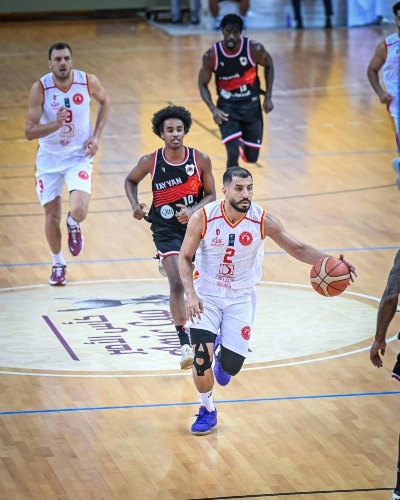
The Qatar Basketball Federation has announced the schedule for the Men’s General League Championship for the new 2026–2027 sports season. The competition will tip off on Saturday, October 10, 2026, with the participation of nine clubs: Al Khor, Al Rayyan, Qatar, Al Sadd, Al Gharafa, Al Ahli, Al Shamal, Al Wakrah, and Al Arabi. The first round will continue until Monday, November 9.  The Men’s General League begins with a single‑round league format before moving into the second stage, which will adopt a knockout system to determine the season’s champion. The first round features 36 matches across nine rounds, according to the program approved by the Federation, with games hosted at Al Gharafa and Al Rayyan arenas.  Al Arabi enters the new season as the defending champion of the last three editions, raising its tally to 11 titles in the history of the General League. Al Rayyan leads the all‑time record with 18 titles, followed by Qatar with 7. Al Sadd, Al Gharafa, Al Shamal, and the former Army Club each hold two titles, while Al Ahli has one, won in the 2000–2001 season.  The opening round kicks off on Saturday, October 10, with two matches at Al Gharafa Arena: Al Rayyan vs. Al Khor at 6:00 p.m., followed by Al Sadd vs. Qatar at 8:00 p.m. The round continues on Monday, October 12, with Al Gharafa vs. Al Ahli at 6:00 p.m. and Al Wakrah vs. Al Shamal at 8:00 p.m., also at Al Gharafa Arena. Al Arabi will rest in the first round.  Round Two will be held on Wednesday and Thursday, October 14–15. Al Rayyan Arena will host Qatar vs. Al Ahli at 7:00 p.m. and Al Gharafa vs. Al Wakrah at 9:00 p.m. on Wednesday. On Thursday, Al Gharafa Arena will stage Al Khor vs. Al Sadd at 6:00 p.m. and Al Arabi vs. Al Rayyan at 8:00 p.m. Al Shamal will rest in this round.  Round Three begins Saturday, October 17, at Al Gharafa Arena with Al Wakrah vs. Qatar at 6:00 p.m. and Al Ahli vs. Al Khor at 8:00 p.m. The round concludes Monday, October 19, with Al Sadd vs. Al Arabi at 6:00 p.m. and Al Shamal vs. Al Gharafa at 8:00 p.m. Al Rayyan rests in this round.Round Four will be played on Wednesday and Thursday, October 21–22. Al Rayyan Arena hosts Al Khor vs. Al Wakrah at 7:00 p.m. and Qatar vs. Al Shamal at 9:00 p.m. on Wednesday. On Thursday, Al Gharafa Arena stages Al Arabi vs. Al Ahli at 6:00 p.m. and Al Rayyan vs. Al Sadd at 8:00 p.m. Al Gharafa rests in this round.  Round Five takes place Saturday and Monday, October 24–26. Al Gharafa Arena hosts Al Shamal vs. Al Khor at 6:00 p.m. and Al Wakrah vs. Al Arabi at 8:00 p.m. on Saturday. On Monday, Al Ahli faces Al Rayyan at 6:00 p.m., followed by Al Gharafa vs. Qatar at 8:00 p.m. Al Sadd rests in this round.Round Six will be held Wednesday and Thursday, October 28–29. Al Rayyan Arena hosts Al Arabi vs. Al Shamal at 7:00 p.m. and Al Khor vs. Al Gharafa at 9:00 p.m. on Wednesday. On Thursday, Al Gharafa Arena stages Al Rayyan vs. Al Wakrah at 6:00 p.m. and Al Sadd vs. Al Ahli at 8:00 p.m. Qatar rests in this round.  Round Seven takes place Saturday and Monday, October 31 and November 2. Al Gharafa Arena hosts Al Shamal vs. Al Rayyan at 6:00 p.m. and Al Wakrah vs. Al Sadd at 8:00 p.m. on Saturday. On Monday, Al Gharafa faces Al Arabi at 6:00 p.m., followed by Qatar vs. Al Khor at 8:00 p.m. Al Ahli rests in this round.  Round Eight will be played Wednesday and Thursday, November 4–5. Al Rayyan Arena hosts Al Sadd vs. Al Shamal at 7:00 p.m. and Al Rayyan vs. Al Gharafa at 9:00 p.m. on Wednesday. On Thursday, Al Gharafa Arena stages Al Arabi vs. Qatar at 6:00 p.m. and Al Ahli vs. Al Wakrah at 8:00 p.m. Al Khor rests in this round.  The first round concludes with Round Nine on Saturday and Monday, November 7–9. On Saturday, Al Gharafa Arena hosts Al Gharafa vs. Al Sadd at 6:00 p.m. and Al Shamal vs. Al Ahli at 8:00 p.m. On Monday, the stage closes with Qatar vs. Al Rayyan at 6:00 p.m. and Al Khor vs. Al Arabi at 8:00 p.m. Al Wakrah rests in this round.  Thus, the first round will conclude on November 9 after nine rounds of competition among the nine clubs, before moving into the knockout stage to determine the Men’s General League champion for the 2026–2027 season.

Gulf Times
Business

Qatar Chamber participates in International Day of Social Responsibility, honored for CSR Efforts

Qatar Chamber took part in activities of the International Day of Social Responsibility, held alongside the International Forum for Sustainable Economy 2026 in Manama. The event was organized by the Regional Network for Social Responsibility, in partnership with UNIDO's Investment and Technology Promotion Office and the Union of Arab Chambers. During the event, the Chamber was honored in recognition of its efforts in promoting corporate social responsibility (CSR) and sustainable practices. The recognition was presented during the ceremony honoring the winners of the 2026 Arab CSR Award - 4th Edition, held as part of the International Day of Social Responsibility activities.Director of the Administrative and Financial Affairs Department at Qatar Chamber, Hussein Al Abdulghani, said the recognition reflected the Chamber's commitment to promoting the culture of CSR and embedding sustainability principles across the business sector. He emphasized that corporate social responsibility is a vital pillar of private sector institutions' role in supporting development and serving the community.He highlighted the Chamber's focus on encouraging companies to adopt sustainable and responsible practices, adding that this recognition servesas an incentive to advance these efforts, further strengthening the private sector's role in delivering initiatives with a positive and lasting impact. The recognition highlights the Chamber's dedicated support for corporate social responsibility, as well as its commitment to advancing sustainability and encouraging private sector institutions to adopt practices that serve the community and drive sustainable development. The Arab CSR Award is considered one of the leading initiatives aimed at highlighting best practices in the fields of corporate social responsibility and sustainability, while recognizing institutions that make effective contributions to achieving the SDGs and strengthening the role of the business sector in serving communities.  

Gulf Times
Qatar

How the Father Amir gave Qatar a global voice

Between 1995 and 2013, Qatar emerged as an influential diplomatic, economic and strategic actor under the leadership of HH the late Father Amir Sheikh Hamad bin Khalifa al-Thani.The defining feature of this transformation was the pursuit of an independent foreign policy built on diversified international partnerships, mediation in regional conflicts, close security co-operation with major powers, strong relations with Arab and Islamic countries and expanding ties with Europe and Asia.Qatar also deployed its growing economic resources in support of its diplomatic objectives. Together, these policies established Doha as a centre of international diplomacy capable of maintaining channels between adversaries and bringing conflicting parties to the negotiating table.The expansion of Qatar’s natural-gas industry provided the economic foundation for this strategy. Development of the North Field and the rapid growth of liquefied natural gas exports generated the resources to invest internationally, expand the country’s diplomatic presence and support development, reconstruction and humanitarian initiatives.Qatar’s growing economic importance also gave governments around the world a stronger incentive to build relations with Doha.At the same time, the country developed instruments of influence extending well beyond conventional diplomacy. The establishment of Al Jazeera in 1996 gave Qatar an unprecedented media presence in the Arab world. The network became one of the region’s most influential sources of news and political debate, dramatically expanding Qatar’s international visibility.This combination of energy resources, international investment, media influence, humanitarian engagement and active diplomacy created what became widely known as Qatar’s soft-power model. Mediation as statecraftUnder the late Father Amir, peaceful mediation became a central instrument of Qatari foreign policy.Doha offered a secure venue for negotiations, maintained communication with competing parties and used its political and financial resources to keep talks alive. Qatar’s ability to engage actors across ideological and geopolitical divides often enabled it to reach parties that other governments could not — or would not — approach directly.During the 2000s, Qatar became involved in mediation concerning Palestinian factions, Yemen, Lebanon, Sudan and Chad, Darfur, and the border dispute between Djibouti and Eritrea. It also began facilitating talks involving Afghan parties in 2013.The Lebanese crisis of 2008 provided one of the clearest demonstrations of this emerging diplomatic role.After months of political confrontation culminating in armed clashes, Lebanon’s rival factions travelled to Doha for negotiations. Six days of intensive Qatari and Arab mediation produced the Doha Agreement on May 21, 2008.The agreement paved the way for the election of Michel Suleiman as president, the formation of a national unity government and agreement on elements of a new electoral framework. It helped pull Lebanon back from the danger of renewed civil conflict.The United Nations recognised the intensive efforts of the late Father Amir, then prime minister and foreign minister Sheikh Hamad bin Jassim bin Jabr al-Thani and Arab League secretary-general Amr Moussa in helping the Lebanese parties reach an understanding.The achievement demonstrated that Qatar could convert access, persistence and political credibility into concrete diplomatic results.Darfur represented another significant chapter in the development of Qatar’s international profile.In September 2008, the Arab League mandated Qatar to mediate peace talks between the Sudanese government and Darfur’s armed movements. Doha subsequently hosted more than two years of negotiations involving the African Union, the United Nations and other international stakeholders.The process produced the Doha Document for Peace in Darfur in July 2011. The agreement addressed power and wealth sharing, human rights, justice and reconciliation, compensation and the return of displaced people.Although it did not bring every armed group into the peace process or end all violence in Darfur, the document established an important framework for addressing the conflict and its consequences.Qatar complemented its mediation with commitments to development and reconstruction. This combination of negotiation, financial support and post-conflict assistance became a recurring feature of its diplomatic approach.The United Nations publicly acknowledged Qatar’s diplomatic, political and material contribution to the process, while then UN secretary-general Ban Ki-moon praised the country’s role under the leadership of the late Father Amir. A carefully constructed balanceQatar’s relationship with the United States also developed substantially during HH Sheikh Hamad’s rule.The two countries had signed a defence co-operation agreement in 1992, before he assumed power, but security co-operation expanded considerably during his tenure. Qatar invested heavily in developing Al Udeid Air Base, which became a major hub for US military operations in the region.The partnership gradually developed into a broader strategic relationship and became an important element of Qatar’s national-security architecture.Yet Qatar combined its close relationship with Washington with an independent approach towards other regional actors. It preserved channels with Iran, maintained contact with Palestinian groups and cultivated relations with European and Asian powers.This balancing strategy enabled Doha to speak to parties that often refused direct contact with one another. Rather than defining its partnerships in exclusively ideological terms, Qatar sought to maintain sufficient access across opposing political camps to remain relevant during periods of crisis.Relations with European countries, particularly France and the United Kingdom, also expanded. French companies increased their involvement in Qatar’s energy, infrastructure and industrial sectors, while a visit by then French president Nicolas Sarkozy to Doha in 2008 produced agreements and memoranda spanning electricity, energy and other areas of co-operation.These relationships were not limited to commerce. European governments increasingly regarded Doha as a potentially valuable interlocutor in the Middle East because of its access to political actors who were difficult for Western governments to approach.Qatar’s engagement with multilateral institutions grew simultaneously. It served a two-year term as a non-permanent member of the United Nations Security Council in 2006-07, gaining a formal role in deliberations on international peace and security.The country’s growing participation in international organisations reinforced the diplomatic standing being built through mediation, economic partnerships and humanitarian initiatives. Palestine and the Arab SpringThe Palestinian cause remained a central component of Qatar’s foreign policy during the late Father Amir’s tenure.Qatar maintained relations with both the Palestinian Authority and Hamas, enabling Doha to act as an intermediary between rival Palestinian factions. Its efforts included mediation between Fatah and Hamas in 2006 and the Doha Agreement of 2012, although the latter was never fully implemented.Following the 2008-09 Gaza war, Qatar called for stronger Arab diplomatic action and sought an emergency summit in Doha. The late Father Amir spoke forcefully about the human cost of the conflict and pressed for more concerted Arab engagement.In October 2012, he made a historic visit to the Gaza Strip, becoming the first head of state to visit the territory under Hamas rule. He inaugurated reconstruction projects worth hundreds of millions of dollars, combining a highly visible political gesture with support for housing and infrastructure.That fusion of political access, humanitarian assistance and reconstruction support became another defining feature of Qatari diplomacy.The Arab Spring of 2011 brought a more activist phase in Qatar’s foreign policy. Doha backed political movements challenging established governments in Tunisia, Egypt, Libya and Syria.In Libya, Qatar supported anti-Gaddafi forces and participated in the international coalition enforcing the no-fly zone. It consequently became an active participant, rather than a mediator, in one of the region’s most consequential conflicts.Qatar said its position reflected support for the aspirations of Arab peoples for dignity, political participation and better lives. Its approach increased the country’s influence but also generated controversy and demonstrated that Qatari policy was not uniformly neutral across every regional crisis.Nevertheless, the broader diplomatic architecture remained consistent: a strong security relationship with Washington, open channels with Iran and Palestinian movements, extensive European and Asian partnerships and a preference for preserving communication wherever possible.The modern Qatari mediation system — which would later play a central role in negotiations involving Afghanistan, the United States and the Taliban — was built on foundations established during the Father Amir’s rule. Influence beyond geographyQatar’s diplomatic rise cannot be separated from its economic transformation.The growth of the LNG industry supplied the resources needed to finance international investment, humanitarian assistance, reconstruction programmes and diplomatic initiatives. It also made Qatar increasingly important to the energy security of countries across Asia and Europe.Humanitarian action strengthened this international approach. In conflict-affected countries, particularly Sudan and Palestine, Qatar frequently combined political engagement with development and reconstruction commitments.By the end of the late Father Amir’s tenure, Qatar had assembled several mutually reinforcing sources of influence: energy, international investment, strategic partnerships, media, humanitarian engagement and access to competing political actors.This model enabled the country to exercise an influence far greater than its geographical or demographic size might have suggested.The international response following the death of the Father Amir on July 12, 2026, offered a revealing measure of the standing he had acquired beyond Qatar.Condolences came from presidents, monarchs, prime ministers, international organisations and diplomatic missions. Senior leaders and representatives from across the Arab and Islamic worlds, Europe, Africa, Asia and Central Asia travelled to Doha to offer their condolences to HH the Amir Sheikh Tamim bin Hamad al-Thani, the ruling family, the government and the people of Qatar.The scale and diversity of those tributes reflected the multidirectional foreign policy that had become one of the defining characteristics of modern Qatar.Among diplomats in Doha, attention repeatedly turned to the late Father Amir’s standing as both a nation-builder and an international statesman.Türkiye’s ambassador to Qatar Dr Mustafa Göksu said he had left an “enduring legacy of nation-building and achievement”, describing him as an exceptional figure whose leadership had left an indelible mark on the modern history of the region.Pakistan’s ambassador to Qatar Muhammad Aamer described him as “the architect of modern Qatar”, saying his wisdom, courage and foresight had transformed the nation and laid the foundations for its prosperity and international standing.Aamer said the late leader’s legacy lived on through the institutions he established, the generations he empowered and the respect Qatar commanded around the world.India’s ambassador to Qatar Vipul similarly highlighted the international dimension of that legacy. He recalled the late Father Amir’s transformational leadership and the enduring friendship he helped build between Qatar and India. The ambassador said HH Sheikh Hamad’s foresight had laid the foundations for a prosperous and globally respected Qatar, while his official and personal visits to India had helped deepen bilateral relations and people-to-people ties.These tributes were rooted in decades of diplomatic engagement. During his years in power, the late Father Amir dealt directly with world leaders, senior international officials and negotiators as Qatar moved from the margins of international diplomacy to become an increasingly sought-after interlocutor.What emerged between 1995 and 2013 was more than a successful foreign-policy brand. It was a durable system of international influence founded on economic strength, strategic partnerships, political access and the ability to keep dialogue alive during periods of conflict.Under HH the late Father Amir Sheikh Hamad bin Khalifa al-Thani, Qatar’s geography no longer defined the limits of its influence.Doha became a place where adversaries could meet, difficult messages could be delivered and agreements once considered improbable could be pursued. That diplomatic role remains one of the most enduring dimensions of his legacy — and one of the foundations of Qatar’s place in the world today.