


The World Day for Audiovisual Heritage, which falls on Oct 27 of each year, is an opportunity to raise awareness of the need for urgent measures and to recognise the importance of audiovisual documents and materials.
On this occasion, Qatar News Agency (QNA) highlights the efforts of Qatari institutions to protect this heritage, in a manner that preserves the memory of the nation.
Audiovisual heritage means audio and radio recordings, motion pictures, video clips, television recordings, and audiovisual archives in newspapers, magazines and various media.
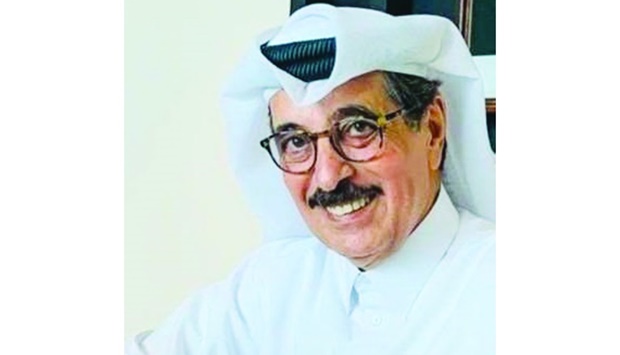
HE Minister of State and President of Qatar National Library (QNL) Dr Hamad bin Abdulaziz al-Kawari said in a statement, said that QNL is the most important Qatari institution concerned with preserving audiovisual heritage locally and regionally.
The QNL has a major role in protecting the audiovisual heritage, through the Hemaya Programme, which trains those in charge of audiovisual heritage not only in QNL, but also in the Arab region and the Middle East, as it is a centre for the International Federation of Libraries (IFLA).
He said the co-operation of the QNL with Unesco, archival institutions and international libraries will preserve the audiovisual heritage of the Arab countries and the Middle East.
He added that the issue of preserving this heritage is one of the library's priorities, as its efforts continue, the last of which was the library hosting an international workshop on combating trafficking in documentary heritage.
He noted that the heritage library, the jewel of the QNL, contains a visual and audio archive that represents an important aspect of the history of the region.
Commenting on the importance of audiovisual heritage, Specialist in Books and Heritage Preservation at the QNL Maxim Nasra said in a similar statement that the archives of audiovisual heritage contain tales about the forms of life and cultures of people worldwide.
It is a precious heritage that documents our collective memory, and it is a valuable source of knowledge, given that these archives embody the cultural, social and linguistic diversity in our societies, Nasra said, noting that the audiovisual heritage archives help us to mature and understand the world in which we all live, and therefore the need to preserving it and ensuring its access to the public and future generations.
He highlighted the efforts of the QNL in preserving this heritage, as the library has hosted many seminars and lectures that shed light on the dangers facing the audiovisual heritage during the next 10 or 20 years, and stressed that the library is working to raise awareness of the need to preserve and digitise this heritage.
He addressed the pioneering role of the library in preserving heritage, as preservation and maintenance specialists of the library organised dozens of seminars, workshops and lectures for specialists and practitioners around the world that dealt with pivotal issues and topics, including the preservation of audiovisual heritage, most notably the library's celebration in Nov 2019 of the high value of the unique audiovisual heritage.
Qatar and the Arab World delivered a lecture in partnership with University College London in Qatar, the British Library and Qatar Foundation entitled "Before it is too late: protecting and preserving Arab audiovisual heritage," he said.
In 2020, the library as IFLA Regional Center for the Conservation and Preservation of Heritage Materials for Arab countries and the Middle East, organised a panel discussion that highlighted new resources for preserving audio and video recordings as a result of co-operation between QNL, the Center for Arab and Mediterranean Music, the British Library and University College London in Qatar.
Nasra said the library is a treasure of audiovisual heritage, including all videos from the archives of the Associated Press associated with Qatar and more than 600 old videos of ancient Egyptian films.
The library succeeded in collecting many video clips, and it has a survey programme to discover and collect more treasures of rare family archives. These family clips represent a unique and rare legacy that depicts life in Qatar in the first half of the 20th century until the 1970s.
On this occasion, Qatar News Agency (QNA) highlights the efforts of Qatari institutions to protect this heritage, in a manner that preserves the memory of the nation.
Audiovisual heritage means audio and radio recordings, motion pictures, video clips, television recordings, and audiovisual archives in newspapers, magazines and various media.
HE Minister of State and President of Qatar National Library (QNL) Dr Hamad bin Abdulaziz al-Kawari said in a statement, said that QNL is the most important Qatari institution concerned with preserving audiovisual heritage locally and regionally.
The QNL has a major role in protecting the audiovisual heritage, through the Hemaya Programme, which trains those in charge of audiovisual heritage not only in QNL, but also in the Arab region and the Middle East, as it is a centre for the International Federation of Libraries (IFLA).
He said the co-operation of the QNL with Unesco, archival institutions and international libraries will preserve the audiovisual heritage of the Arab countries and the Middle East.
He added that the issue of preserving this heritage is one of the library's priorities, as its efforts continue, the last of which was the library hosting an international workshop on combating trafficking in documentary heritage.
He noted that the heritage library, the jewel of the QNL, contains a visual and audio archive that represents an important aspect of the history of the region.
Commenting on the importance of audiovisual heritage, Specialist in Books and Heritage Preservation at the QNL Maxim Nasra said in a similar statement that the archives of audiovisual heritage contain tales about the forms of life and cultures of people worldwide.
It is a precious heritage that documents our collective memory, and it is a valuable source of knowledge, given that these archives embody the cultural, social and linguistic diversity in our societies, Nasra said, noting that the audiovisual heritage archives help us to mature and understand the world in which we all live, and therefore the need to preserving it and ensuring its access to the public and future generations.
He highlighted the efforts of the QNL in preserving this heritage, as the library has hosted many seminars and lectures that shed light on the dangers facing the audiovisual heritage during the next 10 or 20 years, and stressed that the library is working to raise awareness of the need to preserve and digitise this heritage.
He addressed the pioneering role of the library in preserving heritage, as preservation and maintenance specialists of the library organised dozens of seminars, workshops and lectures for specialists and practitioners around the world that dealt with pivotal issues and topics, including the preservation of audiovisual heritage, most notably the library's celebration in Nov 2019 of the high value of the unique audiovisual heritage.
Qatar and the Arab World delivered a lecture in partnership with University College London in Qatar, the British Library and Qatar Foundation entitled "Before it is too late: protecting and preserving Arab audiovisual heritage," he said.
In 2020, the library as IFLA Regional Center for the Conservation and Preservation of Heritage Materials for Arab countries and the Middle East, organised a panel discussion that highlighted new resources for preserving audio and video recordings as a result of co-operation between QNL, the Center for Arab and Mediterranean Music, the British Library and University College London in Qatar.
Nasra said the library is a treasure of audiovisual heritage, including all videos from the archives of the Associated Press associated with Qatar and more than 600 old videos of ancient Egyptian films.
The library succeeded in collecting many video clips, and it has a survey programme to discover and collect more treasures of rare family archives. These family clips represent a unique and rare legacy that depicts life in Qatar in the first half of the 20th century until the 1970s.