


Qatar has reiterated its condemnation of all acts of terrorism, and violent extremism conducive to terrorism, as criminal acts that cannot be justified regardless of motive, and stressed its commitment to strengthening international co-operation to confront this scourge in its various dimensions.
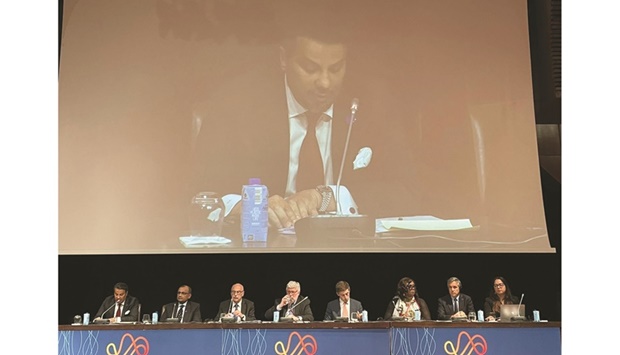
This came in the statement delivered by Qatar’s ambassador to Spain Abdullah bin Ibrahim al-Hamar at the high-level international conference on human rights, civil society and combating terrorism, organised by the United Nations Counter-Terrorism Office and the Spanish government, in Malaga.
The conference took place on May 10-11.
The statement said that terrorism in all its forms and manifestations is aimed at undermining human rights, and called for taking necessary steps to prevent and combat it, in addition to understanding the various aspects of the terrorist threat, including the link to racism and religious intolerance.
In the statement, Qatar warned of the risk that measures taken to prevent and combat terrorism and prevent violent extremism would themselves undermine human rights, fundamental freedoms and the rule of law, hence states must abide by their obligations under international law, including the UN Charter.
The statement also urged states to refrain from using the fight against terrorism as an excuse to violate human rights and suppress basic freedoms, which would undermine counter-terrorism efforts.
Qatar drew attention in its statement to its efforts at the national level as an effective international partner when it comes to combatting terrorism, especially with the focus on education to help prevent terrorism and violent extremism conducive to terrorism.
The statement clarified Qatar's policy that focuses on protecting human rights, especially for women and children, in addition to promoting and protecting the rights of victims of terrorism, and supporting the programme for victims of terrorism undertaken by the UN Counter-Terrorism Office.
The conference took place on May 10-11.
The statement said that terrorism in all its forms and manifestations is aimed at undermining human rights, and called for taking necessary steps to prevent and combat it, in addition to understanding the various aspects of the terrorist threat, including the link to racism and religious intolerance.
In the statement, Qatar warned of the risk that measures taken to prevent and combat terrorism and prevent violent extremism would themselves undermine human rights, fundamental freedoms and the rule of law, hence states must abide by their obligations under international law, including the UN Charter.
The statement also urged states to refrain from using the fight against terrorism as an excuse to violate human rights and suppress basic freedoms, which would undermine counter-terrorism efforts.
Qatar drew attention in its statement to its efforts at the national level as an effective international partner when it comes to combatting terrorism, especially with the focus on education to help prevent terrorism and violent extremism conducive to terrorism.
The statement clarified Qatar's policy that focuses on protecting human rights, especially for women and children, in addition to promoting and protecting the rights of victims of terrorism, and supporting the programme for victims of terrorism undertaken by the UN Counter-Terrorism Office.