


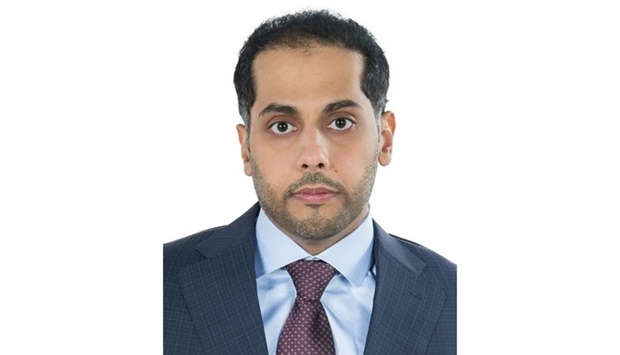
The ambassador of the State of Qatar to the Republic of Korea Khalid bin Ibrahim al-Hamar has affirmed the keenness of the State of Qatar to expand economic co-operation and investment relations with Korea.
In an interview he gave to South Korean News Agency (Yonhap), al-Hamar said relations between Qatar and Korea has been developing continuously since established in 1974, saying they witnessed a wide exchange of visits between ranking officials.
The relationship is close and based on common interests, cooperation and exchange between the two countries, the ambassador said.
He pointed out that trade volume between the two countries exceeded $10bn in 2021, adding that investments between Qatar and Korea have become diversified and are no longer limited to gas and its derivatives.
Cultural and youth delegations visit South Korea to learn about the various aspects of Korean culture, he said.
Al-Hamar said during 2021 a major deal was concluded between the two countries for building liquefied natural gas ships. It worked to strengthen the relations in this vital and important field, noting that 2022 will witness the convening of the sixth meeting of the higher joint committee between the two countries, which is responsible for developing relations in various fields between Doha and Seoul.
He added that the meeting will discuss co-operation in the fields of energy and industry, in addition to new non-traditional fields, including technology, smart farms, solar energy, healthcare, smart grids, and joint investments. He expressed his belief that cooperation in these new areas, and the continuation of close co-operation, holding periodic meetings between the two countries to follow up the development taking place in various fields of co-operation, all contribute to the strengthening of bilateral relations.
Al-Hamar said Qatar, thanks to the successful strategy it adopted, was able to put the Covid-19 pandemic under control, noting that the state relied in its strategy on three pillars, the first being the protection of the citizens and residents as well as the country’s health system from collapse, the second was to mitigate the impact of the pandemic on the economy and society, and the third is Qatar’s commitment to its responsibility towards the international community by standing with the countries that need help.
He continued: "Since the beginning of the pandemic, the State of Qatar has taken a set of steps at the local and international levels to confront the pandemic, and the state hastened to limit the spread of the pandemic, expand the absorptive capacities of hospitals, create quarantine facilities, support small and medium businesses and stimulate the economy. These measures coincided with those at the international level, as Qatar sent millions of dollars of aid to dozens of countries and cooperated with Korea to confront the pandemic at the international level.”
“The State of Qatar, the Republic of Korea and other countries launched the Group of Friends of Solidarity for Global Health Security to confront the corona virus," al-Hamar said, noting that Korea has become a role model through the success it has achieved in confronting the pandemic.
Regarding Qatar’s hosting of the FIFA World Cup Qatar 2022, the ambassador said: "After the end of the 2018 World Cup, attention was drawn to the State of Qatar, which will host the 2022 competitions, and this time the competition is unique in its kind, as the event represents a window through which the world is introduced to the Middle East region where the tournament will be held for the first time.”
He noted that the World Cup will be an event for all Arabs.
He pointed out that the World Cup stadiums are ready to receive fans, and said: "Seven stadiums were opened and a number of the most important matches were launched on their soil, while six stadiums hosted the 2021 FIFA Arab Cup Qatar, which was held in Doha from November 30 to December 18, 2021.
“The tournament represented an ideal opportunity to upgrade operations a year before the start of the World Cup," he said.
There are events accompanying the World Cup, and there will be a variety of cultural and recreational activities and events throughout the tournament to highlight the richness of the Qatari heritage, highlight the cultural diversity of the communities residing in Qatar, and give the World Cup a festive atmosphere, al-Hamar said.
Al-Hamar called on the Koreans to attend the tournament, stressing that it will be a distinct tournament and different from its predecessors.
In an interview he gave to South Korean News Agency (Yonhap), al-Hamar said relations between Qatar and Korea has been developing continuously since established in 1974, saying they witnessed a wide exchange of visits between ranking officials.
The relationship is close and based on common interests, cooperation and exchange between the two countries, the ambassador said.
He pointed out that trade volume between the two countries exceeded $10bn in 2021, adding that investments between Qatar and Korea have become diversified and are no longer limited to gas and its derivatives.
Cultural and youth delegations visit South Korea to learn about the various aspects of Korean culture, he said.
Al-Hamar said during 2021 a major deal was concluded between the two countries for building liquefied natural gas ships. It worked to strengthen the relations in this vital and important field, noting that 2022 will witness the convening of the sixth meeting of the higher joint committee between the two countries, which is responsible for developing relations in various fields between Doha and Seoul.
He added that the meeting will discuss co-operation in the fields of energy and industry, in addition to new non-traditional fields, including technology, smart farms, solar energy, healthcare, smart grids, and joint investments. He expressed his belief that cooperation in these new areas, and the continuation of close co-operation, holding periodic meetings between the two countries to follow up the development taking place in various fields of co-operation, all contribute to the strengthening of bilateral relations.
Al-Hamar said Qatar, thanks to the successful strategy it adopted, was able to put the Covid-19 pandemic under control, noting that the state relied in its strategy on three pillars, the first being the protection of the citizens and residents as well as the country’s health system from collapse, the second was to mitigate the impact of the pandemic on the economy and society, and the third is Qatar’s commitment to its responsibility towards the international community by standing with the countries that need help.
He continued: "Since the beginning of the pandemic, the State of Qatar has taken a set of steps at the local and international levels to confront the pandemic, and the state hastened to limit the spread of the pandemic, expand the absorptive capacities of hospitals, create quarantine facilities, support small and medium businesses and stimulate the economy. These measures coincided with those at the international level, as Qatar sent millions of dollars of aid to dozens of countries and cooperated with Korea to confront the pandemic at the international level.”
“The State of Qatar, the Republic of Korea and other countries launched the Group of Friends of Solidarity for Global Health Security to confront the corona virus," al-Hamar said, noting that Korea has become a role model through the success it has achieved in confronting the pandemic.
Regarding Qatar’s hosting of the FIFA World Cup Qatar 2022, the ambassador said: "After the end of the 2018 World Cup, attention was drawn to the State of Qatar, which will host the 2022 competitions, and this time the competition is unique in its kind, as the event represents a window through which the world is introduced to the Middle East region where the tournament will be held for the first time.”
He noted that the World Cup will be an event for all Arabs.
He pointed out that the World Cup stadiums are ready to receive fans, and said: "Seven stadiums were opened and a number of the most important matches were launched on their soil, while six stadiums hosted the 2021 FIFA Arab Cup Qatar, which was held in Doha from November 30 to December 18, 2021.
“The tournament represented an ideal opportunity to upgrade operations a year before the start of the World Cup," he said.
There are events accompanying the World Cup, and there will be a variety of cultural and recreational activities and events throughout the tournament to highlight the richness of the Qatari heritage, highlight the cultural diversity of the communities residing in Qatar, and give the World Cup a festive atmosphere, al-Hamar said.
Al-Hamar called on the Koreans to attend the tournament, stressing that it will be a distinct tournament and different from its predecessors.